Politics · Malaysia Bureau
Israel's election results leave both blocs short of governing majority
Exit polls from Israel's latest parliamentary elections show a near-even split between the ruling coalition and opposition forces, with neither side securing the 61 seats needed to form a government in the 120-member Knesset. The results suggest a tightly contested political landscape that could lead to protracted coalition negotiations.
LSN Malaysia ·
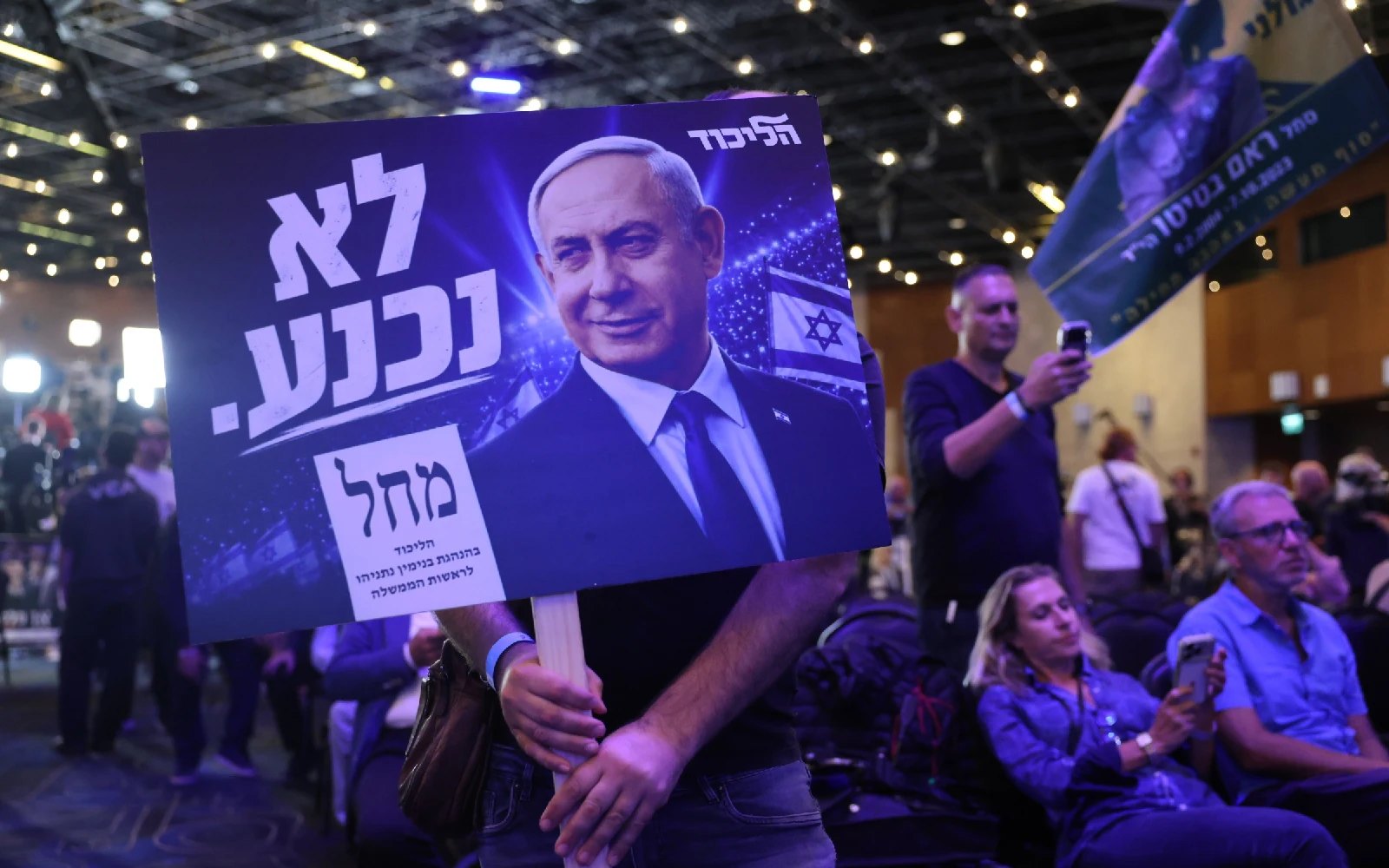
Exit polls conducted following Israel's recent election indicate a deadlocked parliament, with both the government bloc and opposition alliance garnering approximately 51 seats each. The outcome falls significantly short of the 61-seat threshold required to command a parliamentary majority and form an administration.
The opposition, spearheaded by former military chief Gadi Eisenkot, initially appeared positioned to make electoral gains based on early polling. However, the final exit poll figures suggest a more evenly balanced result than pre-election surveys had indicated, complicating the path forward for either political camp.
With neither bloc able to claim a governing mandate, Israeli political leadership now faces the challenging task of coalition-building and negotiation. The near-parity in parliamentary representation suggests difficult talks ahead, as smaller parties and independent lawmakers could wield significant influence in determining which camp assembles a working majority.
The election results underscore the fragmentation characterising Israeli politics, where no single party commands sufficient parliamentary seats to govern independently. Coalition formation typically involves weeks or months of negotiations among multiple parties, each seeking ministerial positions and policy concessions in exchange for their parliamentary support.