World · India Bureau
Israel's Election System: How It Differs Fundamentally from India's
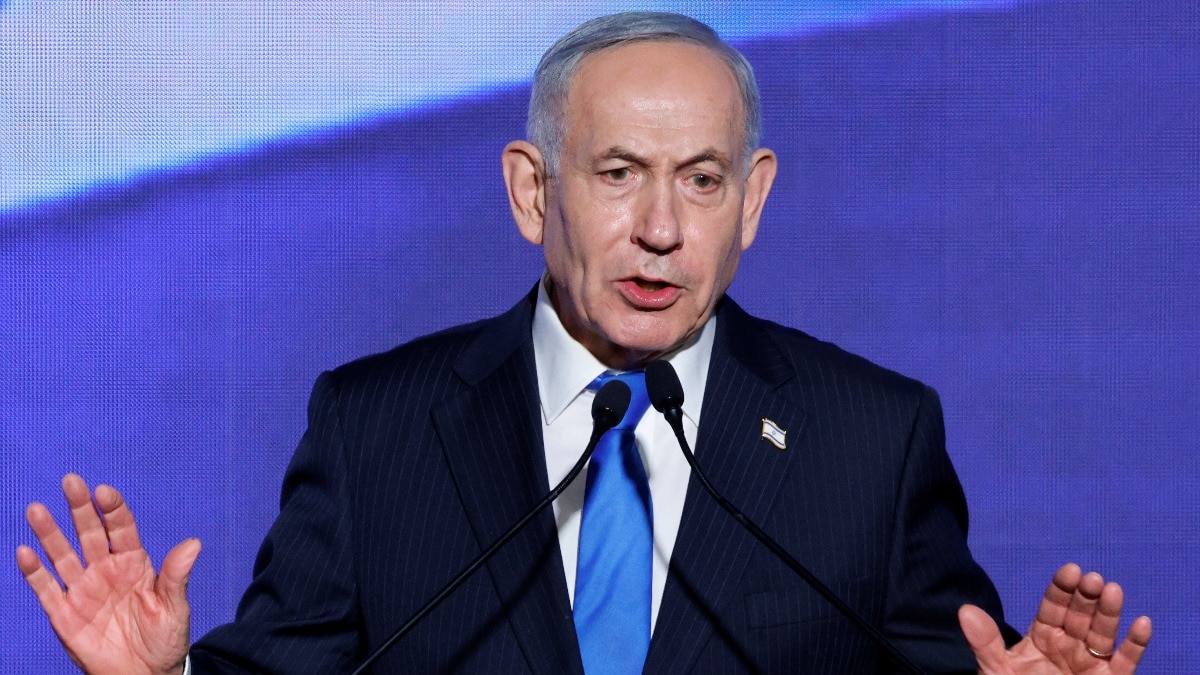
Israel will hold its first national elections since the October 7, 2023 Hamas attack and subsequent Gaza conflict. The race features Prime Minister Benjamin Netanyahu facing strong competition from former military chief Gadi Eisenkot.
LSN India ·
Israel's electoral system operates on principles distinctly different from India's parliamentary democracy, reflecting the nation's unique constitutional framework and political history. While both countries hold democratic elections, the mechanisms, party structures, and coalition-building processes reveal significant contrasts that shape governance in each nation.
Unlike India's first-past-the-post system where voters elect representatives from individual constituencies, Israel employs a purely proportional representation model. Israeli voters cast ballots for political parties rather than individual candidates, with seats in the 120-member Knesset allocated based on the percentage of votes each party receives nationally. This system encourages multi-party participation and typically necessitates coalition governments, as no single party has historically secured an outright majority.
The threshold for parliamentary representation in Israel stands at 3.25 percent of the national vote, a mechanism designed to prevent fragmentation while allowing diverse political voices. This contrasts with India's constituency-based system, where even parties with modest vote shares can secure significant parliamentary representation through geographical concentration. Israel's approach has produced governments composed of multiple coalition partners, requiring extensive post-election negotiations to form stable administrations.
Political party structures also differ substantially between the two democracies. Israeli parties often represent ideological blocs—ranging from left-wing Labor movements to right-wing Likud nationalists and religious-oriented parties—rather than the broad-based national parties common in India. The current election cycle pits incumbent Prime Minister Netanyahu's Likud party against challengers including Gadi Eisenkot, who leverages his military background to appeal to security-conscious voters amid ongoing regional tensions.
These electoral distinctions reflect each nation's distinct historical context and constitutional design, shaping how political power is contested, allocated, and exercised across South Asia's largest democracy and the Middle East's most established democratic system.