Politics · World News Bureau
Israel's Electoral System and Key Players Explained Ahead of Crucial Vote
Israel prepares for what many observers regard as one of the most consequential elections in its history, with potential ramifications extending beyond the region. The vote will determine the country's political direction as it navigates complex domestic and international challenges.
LSN World News ·
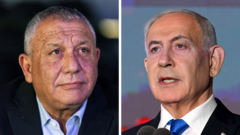
Israel's electoral system operates under a proportional representation framework, fundamentally different from first-past-the-post systems used in many Western democracies. Voters cast ballots for political parties rather than individual candidates, with seats in the 120-member Knesset distributed proportionally based on the percentage of votes each party receives. This structure typically results in coalition governments, requiring multiple parties to negotiate and form governing alliances.
The electoral threshold stands at 3.25 percent of the national vote, a mechanism designed to prevent excessive parliamentary fragmentation. After elections conclude, the president traditionally tasks the leader of the party with the strongest negotiating position to form a government—a role that does not automatically fall to the party receiving the most votes. Coalition negotiations can prove protracted and complex, occasionally spanning weeks or months as parties bargain over ministerial positions and policy priorities.
Israel's political landscape comprises diverse factions spanning the ideological spectrum. Right-wing and religious parties typically emphasize security concerns and settlement policies, while center and left-leaning parties generally prioritize diplomatic solutions and social reform. Major contenders in recent elections have included established parties with substantial parliamentary histories alongside newer political movements reflecting evolving voter preferences and generational shifts.
The significance of this electoral moment reflects underlying tensions regarding Israel's security strategy, Palestinian relations, judicial independence, and social cohesion. International observers have noted the election's potential to influence broader Middle Eastern dynamics and Israel's relationship with the international community. The outcome will shape policy direction on issues ranging from regional peace initiatives to domestic governance priorities for years to come.