World · India Bureau
Israel's kingmaker role emerges as Netanyahu, Eisenkot eye premiership
Israel's electoral commission has certified final results from October 27 parliamentary elections, paving the way for coalition negotiations. With neither Benjamin Netanyahu's alliance nor Gadi Eisenkot's opposition bloc commanding a majority, smaller parties hold decisive influence.
LSN India ·
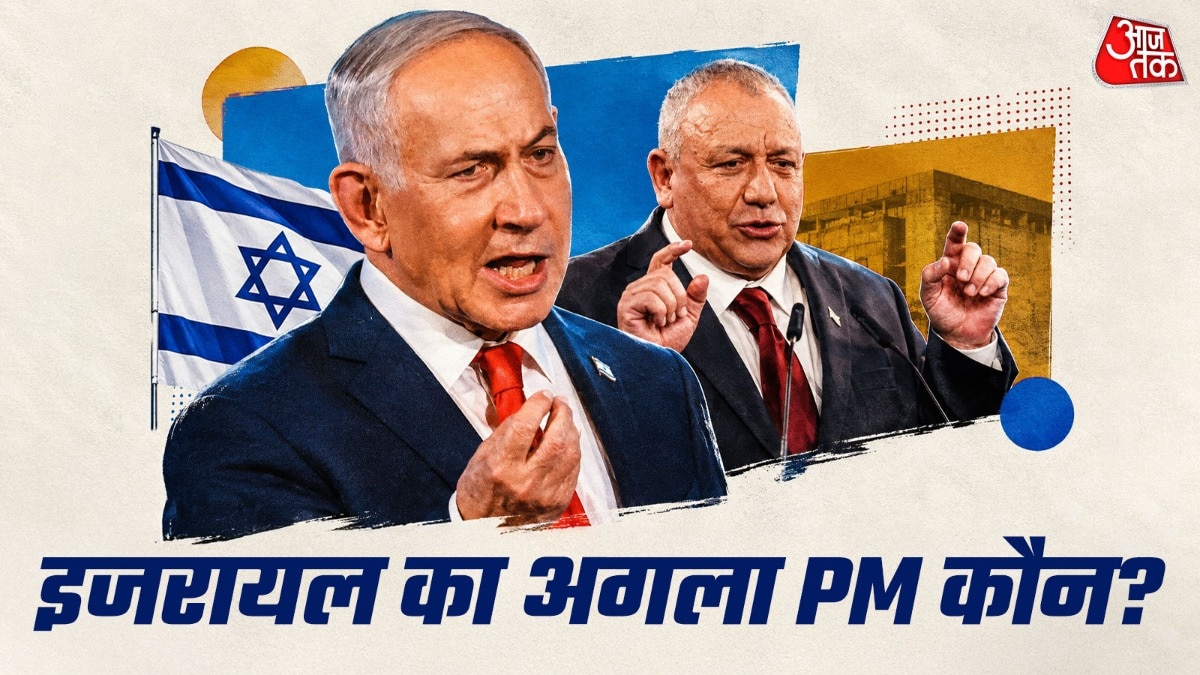
Israel's Central Elections Committee has formally approved final results from October's general election, setting the stage for coalition talks that will determine the country's next prime minister. President Isaac Herzog has received the certified results, officially triggering the government formation process.
Benjamin Netanyahu's rightist coalition secured 53 parliamentary seats, while opposition leader Gadi Eisenkot's centrist and left-leaning alliance garnered 48 seats in the 120-member Knesset. The outcome leaves both camps short of the 61 seats required to form a government independently.
Neither bloc commands an outright majority, elevating the role of smaller parties and independent lawmakers who could tip the balance toward either potential prime minister. These parties now find themselves in a position to negotiate significant concessions in exchange for their support.
The election results reflect continued political fragmentation within Israeli society, mirroring patterns from previous contests. Coalition negotiations are expected to be complex and protracted, with potential kingmakers likely to demand ministerial posts and legislative commitments from either Netanyahu or Eisenkot.
The winner of coalition talks will face significant challenges including security concerns, economic policy, and judicial reform debates that have dominated recent Israeli politics.