Politics · World News Bureau
Israel's kingmakers: Arab, ultra-Orthodox parties hold coalition key
Israel faces a political impasse with neither major bloc commanding a parliamentary majority, leaving smaller Arab and ultra-Orthodox parties in pivotal positions to determine the shape of the next government.
LSN World News ·
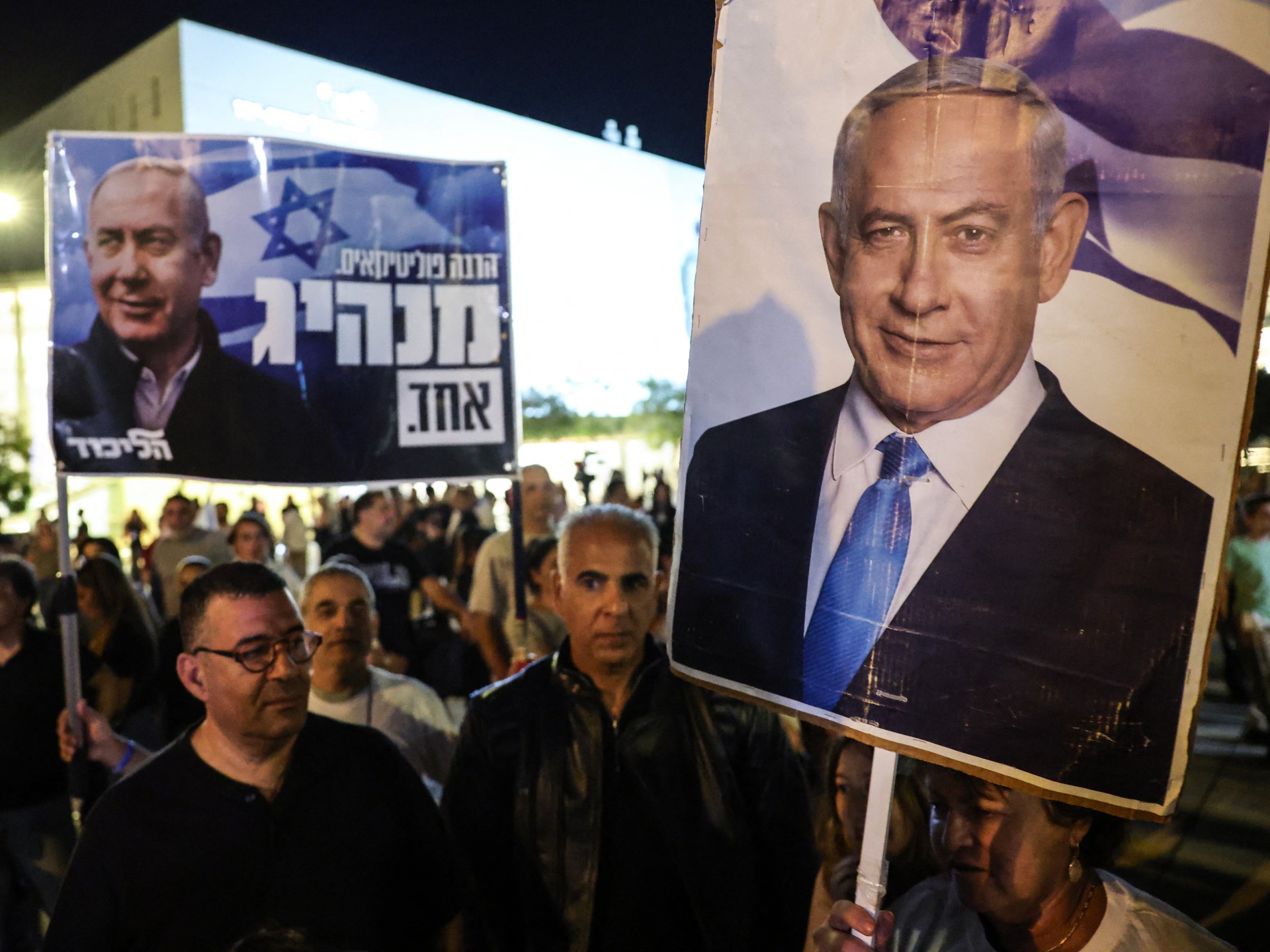
Israel's post-election landscape presents a fragmented political picture, with centre-left and right-wing blocs each falling short of the 61 seats required for a Knesset majority. The stalemate has elevated the bargaining power of smaller factions, particularly Arab parties and ultra-Orthodox legislators, who now hold decisive influence over coalition negotiations.
The arithmetic of Israeli politics has long favored smaller parties positioned near the centre of the ideological spectrum. Arab parties, historically sidelined from government calculations, have emerged as potential kingmakers alongside ultra-Orthodox factions whose demands for religious legislation and budget allocations carry substantial weight in coalition talks.
These negotiations typically involve protracted discussions over ministerial portfolios, legislative priorities, and policy concessions. Ultra-Orthodox parties have historically secured guarantees on issues including military service exemptions for seminary students and state funding for religious institutions, while Arab parties seek commitments addressing their communities' concerns.
The political deadlock underscores deeper divisions within Israeli society over territorial disputes, security policy, and the balance between secular and religious governance. Without consensus from the smaller parties holding the balance, the path to forming a functioning government remains uncertain and potentially volatile.