Politics · Thailand Bureau
Israel's President Set to Play Key Role in Government Formation
Israel's ceremonial head of state has emerged as a pivotal figure in ongoing negotiations to form the country's next government. The president's involvement underscores the complexity of coalition-building in Israeli politics.
LSN Thailand ·
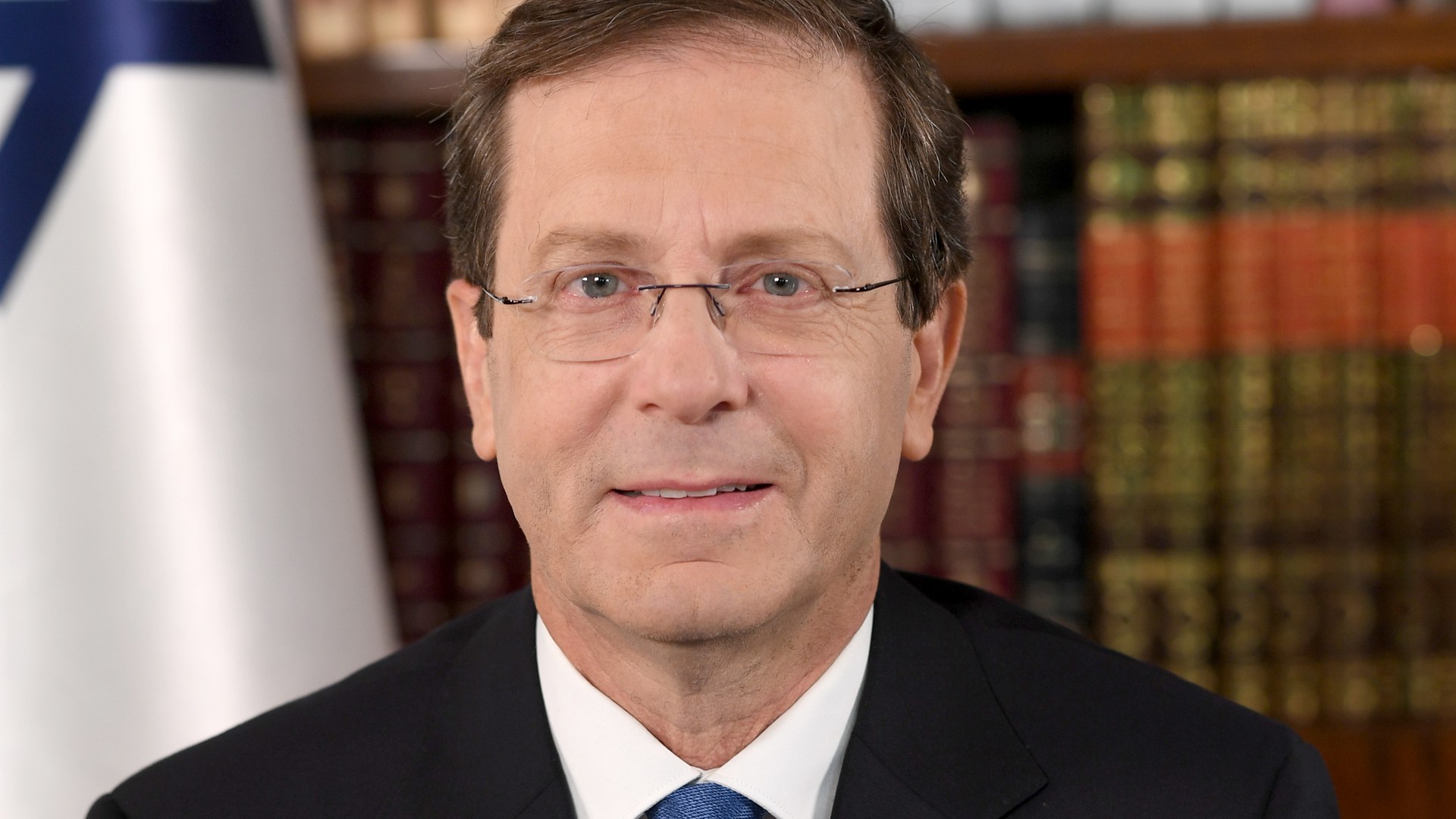
Israel's president is positioned to play an influential role in the coming weeks as political parties negotiate the formation of a new government following recent elections. Despite the presidency being largely ceremonial, the office holds significant responsibility in facilitating talks between competing factions and evaluating which party leader has the best chance of assembling a governing coalition.
The president's authority to grant a party leader the mandate to form a government makes the position critical during periods of political uncertainty. This constitutional responsibility places the sitting president at the center of high-stakes negotiations, even though the role typically maintains a low public profile during normal governance.
Multiple parties are competing to lead the next government, with coalition arithmetic proving complex. The president must assess the viability of different combinations before formally granting a mandate, a process that can take weeks and involves extensive consultations with party representatives.
Historically, Israeli presidents have wielded considerable behind-the-scenes influence during such transitional periods, often brokering compromises between rival factions. The current situation reflects the fractious nature of Israeli politics, where no single party commands a majority and coalition partners must negotiate key ministerial positions and policy priorities.
Photo: Isaac Herzog, President of Israel, in an official portrait, July 2021. Avi Ohayon, Israeli Government Press Office (National Photo Collection), via Wikimedia Commons (CC BY-SA 3.0).