Business · World News Bureau
Israel's West Bank barrier creates physical, economic divide for Palestinians
Israel's separation wall, checkpoint system and permit requirements have fundamentally altered Palestinian life in the occupied West Bank, fragmenting communities and restricting access to agricultural land. The infrastructure bears comparison to Cold War barriers in its impact on civilian movement and livelihoods.
LSN World News ·
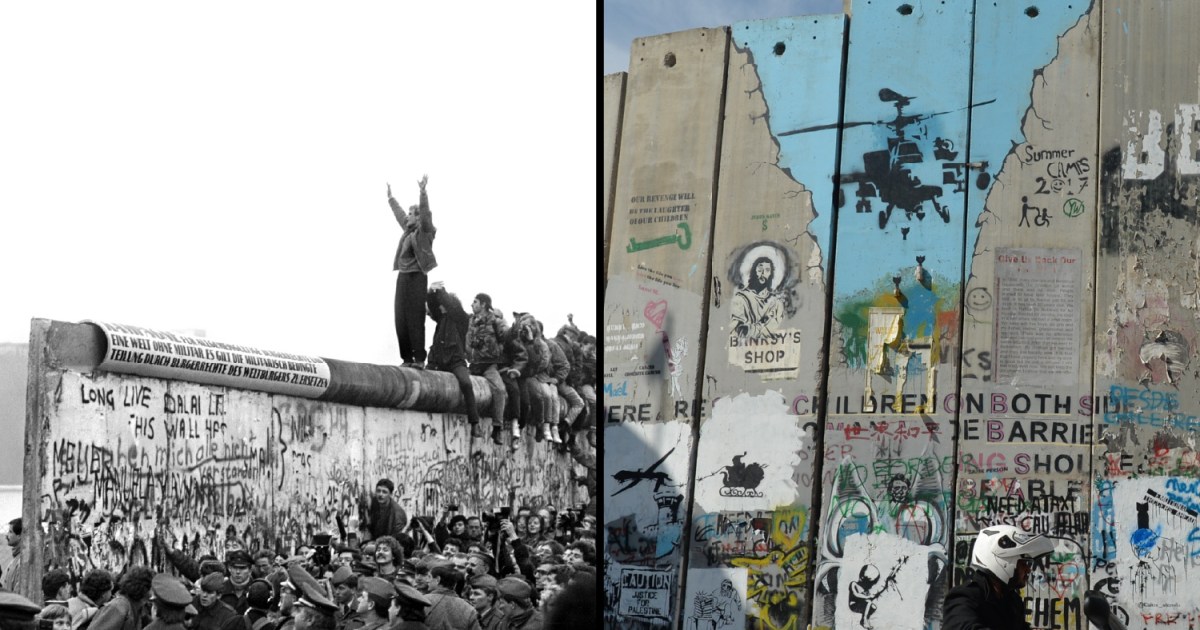
The barrier system spanning the occupied West Bank comprises roughly 440 miles of concrete walls, fencing and fortifications, creating a complex network of controlled crossing points that regulate Palestinian movement. Unlike Cold War-era walls designed to contain entire populations within defined territories, Israel's barrier system functions through layered restrictions: the physical barrier itself, military checkpoints requiring passage permits, and permit regimes that determine who can access which areas.
Palestinian farmers represent one of the most affected populations, with thousands separated from agricultural land by the barriers and checkpoints. Fields that generations have cultivated now lie on the opposite side of walls, requiring special permits for seasonal access that are frequently denied or granted only for limited periods. This disruption has devastated rural economies across the West Bank, forcing many agricultural workers to abandon their land or accept severely reduced harvests.
The permit system creates a parallel structure of mobility rights. Palestinian civilians require different permits depending on their destination—different rules apply for entering Israel proper versus traveling within the West Bank itself. This bureaucratic architecture has led to what Palestinian rights advocates describe as de facto territorial fragmentation, subdividing the West Bank into disconnected zones with restricted inter-movement.
The barrier's construction began in 2002, officially framed as a security measure following the second intifada. Israeli authorities maintain the system is necessary to prevent attacks, while Palestinian representatives and international observers argue it amounts to collective punishment and territorial control. The long-term consequences have reshaped Palestinian demographics, economic patterns and access to services across the territory.