World · World News Bureau
Israel shuts UK consulate in East Jerusalem over settlement goods ban
Israel has announced the closure of the British Consulate in occupied East Jerusalem in response to the UK's decision to prohibit imports of goods produced in Israeli settlements. The move marks an escalation in tensions between London and Tel Aviv over settlement policy.
LSN World News ·
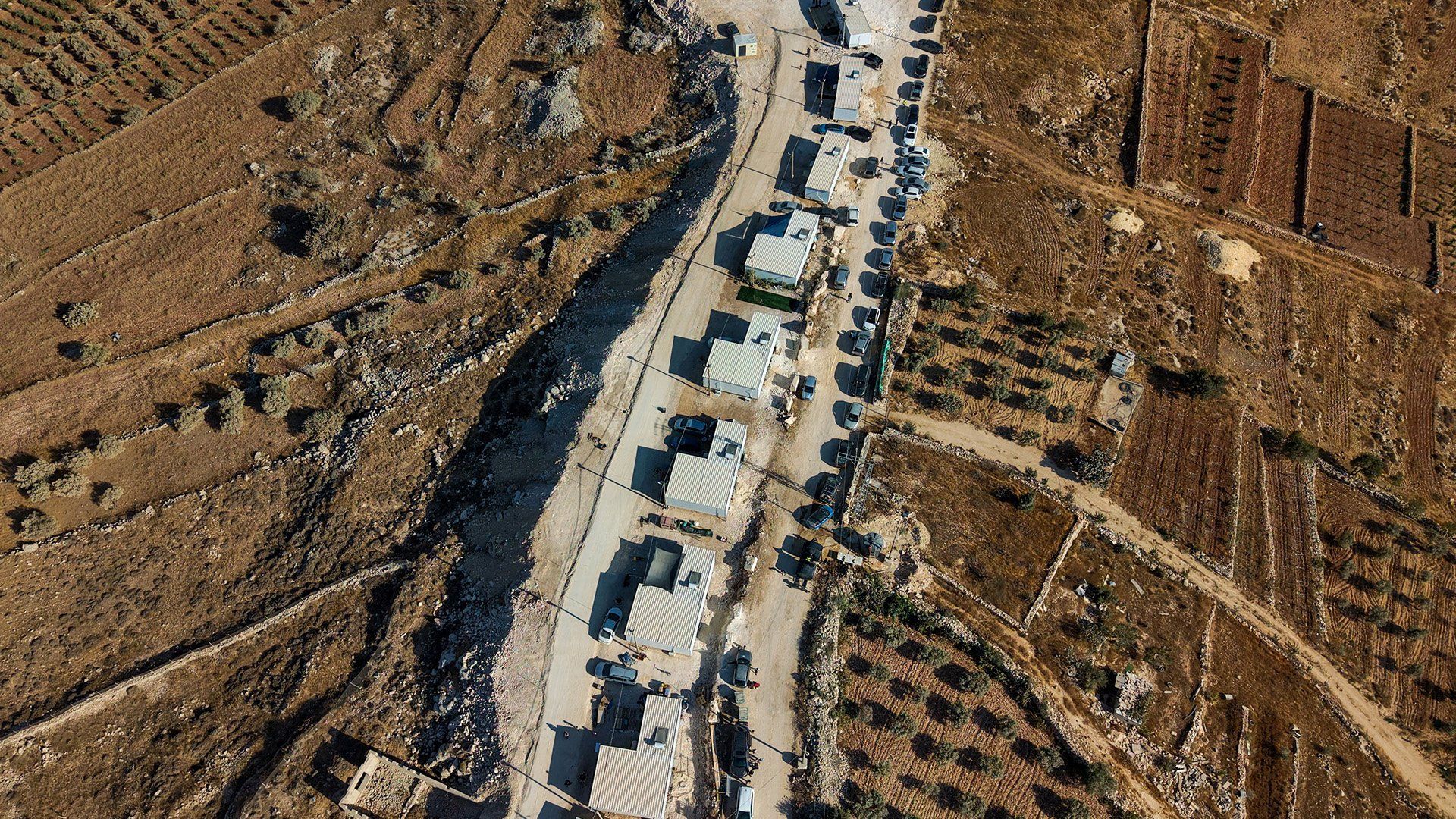
Israel's Foreign Ministry said it would shut down the UK's consular mission in East Jerusalem, citing the British government's new restrictions on products manufactured in Israeli settlements located in occupied Palestinian territories. The decision represents a significant diplomatic response to what London describes as enforcement of international law regarding goods originating from settlements deemed illegal under international law.
The UK ban, which took effect in 2021, prohibits the importation and labeling of goods produced in Israeli settlements on occupied Palestinian land. British authorities have stated the measure aims to ensure compliance with international trade standards and clarify the origin of products for consumers. Israel has consistently rejected characterizations of its settlements as illegal, arguing its security interests in the territories justify their presence.
The closure of the consulate, one of Britain's oldest diplomatic missions in the Middle East, underscores deepening friction between the two nations over settlement policy. The facility has served as a key diplomatic presence in East Jerusalem for decades, handling consular services for British nationals and facilitating broader UK-Palestinian relations.
British officials have not yet formally responded to Israel's announcement. The dispute reflects broader international divisions over the status of Israeli settlements, with the European Union and numerous countries similarly restricting or labeling settlement products, while the United States and others maintain different policy positions on the matter.