Politics · World News Bureau
Israeli Election Battle Pits Right Against Far Right, Critics Say
As Israel prepares for elections, opposition leaders promise political change, yet analysts question whether their platforms differ substantially from Prime Minister Benjamin Netanyahu's right-wing agenda.
LSN World News ·
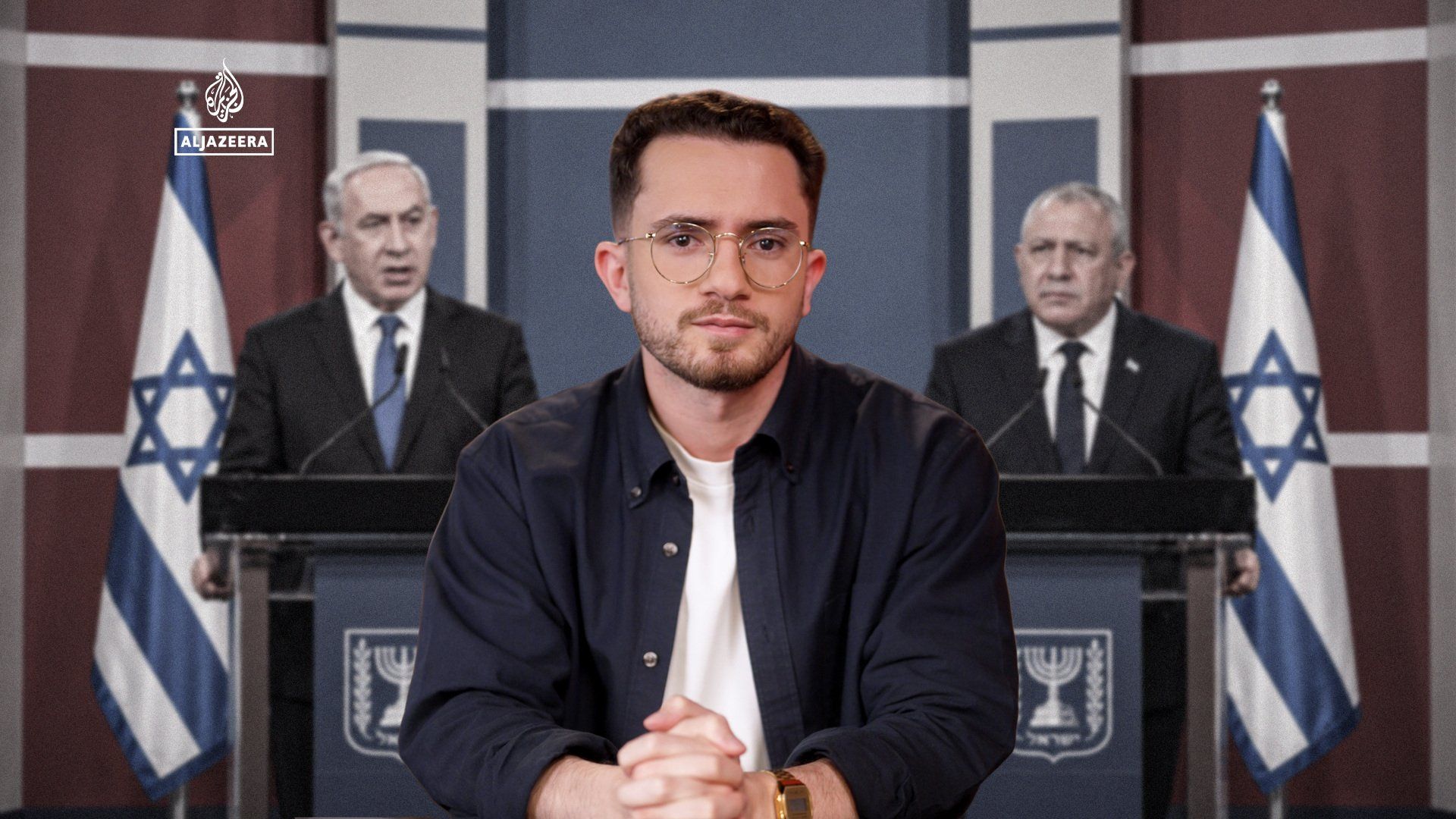
Israeli voters heading to the polls face a political landscape dominated by conservative platforms, with critics arguing that even opposition candidates offer limited ideological distance from Prime Minister Benjamin Netanyahu's governing philosophy. While Netanyahu's opponents highlight governance concerns and pledge reform, their core policy positions on key issues remain rooted in rightward political territory.
The distinction between the ruling coalition and leading opposition blocs centers largely on matters of administration and political style rather than fundamental policy direction. Questions about settlement expansion, security approaches, and Palestinian affairs remain contested within a narrowly defined spectrum, with few major voices proposing substantially different frameworks.
Analysts point to the compression of Israeli political debate toward the right, with centrist and left-wing parties struggling to gain traction. The absence of significant left-wing representation in major coalition possibilities has reshaped voter expectations about what electoral change might realistically achieve. Opposition parties emphasize their capacity to govern more competently and restore institutional norms, framing their campaigns around accountability rather than transformative policy shifts.
The narrowing of political alternatives reflects broader demographic and security concerns that have pushed the Israeli electorate rightward in recent years. Observers note that even parties positioning themselves as alternatives to Netanyahu operate within similar strategic and ideological parameters, leaving voters with limited choices for fundamentally different policy directions.