Politics · World News Bureau
Israeli election could reshape Palestinian policy landscape
Analysis of voting patterns in Israel's parliament reveals deep divisions over Palestinian-related legislation, with potential implications should Prime Minister Benjamin Netanyahu lose office. A review of eight key bills demonstrates stark contrasts between government and opposition positions on issues affecting Palestinian populations.
LSN World News ·
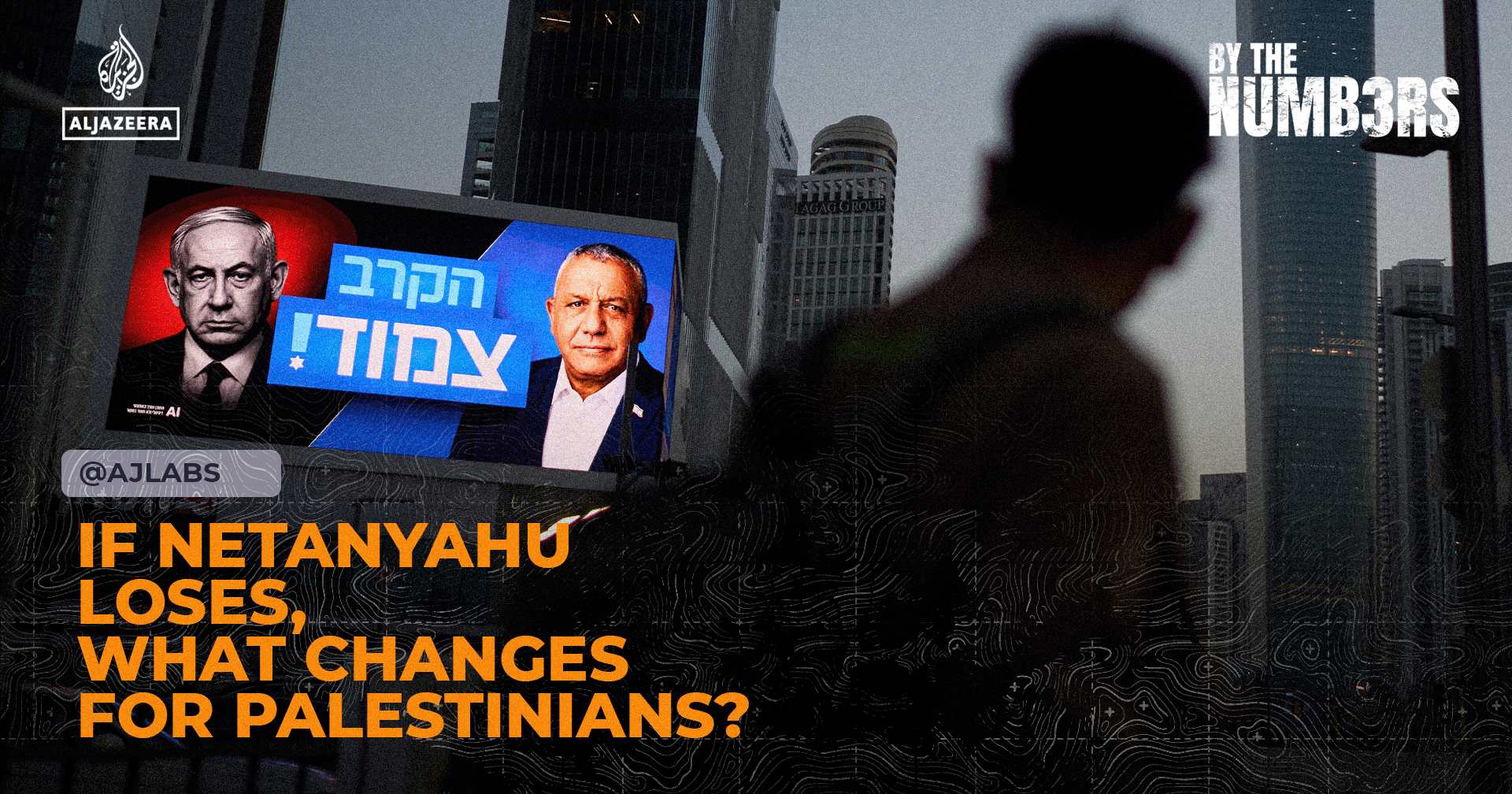
Israeli political parties have shown sharply divergent voting records on legislation affecting Palestinians, according to a comprehensive review of parliamentary voting patterns ahead of the country's election. The analysis tracked how lawmakers voted on eight separate Knesset bills that contained provisions unfavorable to Palestinian interests, revealing significant fault lines within Israel's political establishment.
The voting disparities suggest that a change in government could materially alter Israel's legislative approach to Palestinian-related issues. Opposition parties demonstrated more consistent opposition to bills that critics argue disadvantage Palestinian communities, while government-aligned factions provided strong support for such measures.
The differences extend across a range of policy areas, indicating that Palestinian-related legislation represents a genuine point of political contestation rather than consensus in Israel's parliament. The outcome of the election could therefore determine the trajectory of future bills affecting Palestinian governance, land rights, and legal status.
These voting patterns underscore how Israeli electoral results carry direct consequences for Palestinian populations under Israeli jurisdiction or affected by Israeli government policies. As voters head to the polls, the parliamentary record suggests meaningful policy shifts could follow a change in the country's political leadership.