Politics · World News Bureau
Israeli election deadlock forces parties to weigh Arab coalition option
Neither major political bloc secured a majority in Israel's recent election, leaving kingmaker parties facing a pivotal choice between breaking longstanding political barriers or triggering new polls.
LSN World News ·
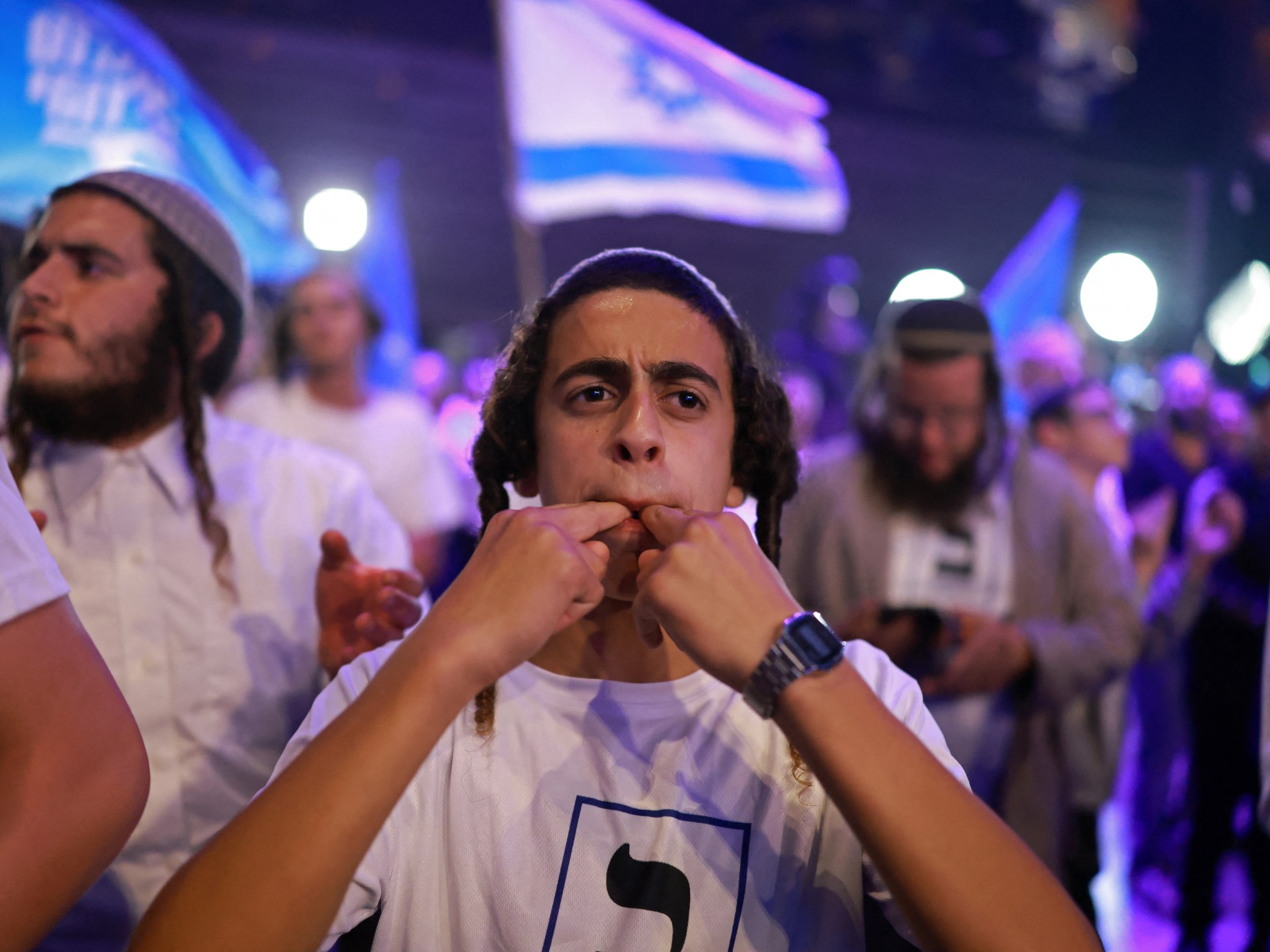
Israel's fragmented electoral landscape has produced a familiar stalemate, with both the pro-Netanyahu right-wing bloc and the opposition camp falling short of the 61 parliamentary seats needed to form a government. The impasse presents Israeli political leadership with two stark alternatives: forge an unprecedented coalition with Arab-Israeli parties, or return to voters for another costly election cycle.
For decades, Israeli politics has operated under an unwritten consensus excluding Arab parties from government coalitions, despite their significant parliamentary presence. This taboo has remained largely intact despite demographic and political shifts within Israeli society. The current deadlock may force a recalibration of these traditional boundaries as pragmatic considerations clash with historical precedent.
Arab-Israeli parties have increased their electoral footprint in recent cycles, reflecting both demographic trends and shifting political engagement within Arab communities. Their potential inclusion in coalition negotiations could provide the numerical foundation for a stable government, yet such an arrangement would mark a substantial departure from established norms.
The timeline for coalition negotiations remains fluid, with political leaders reportedly engaged in preliminary discussions about possible arrangements. If efforts to construct a majority coalition falter, Israeli law mandates a return to the polls—an outcome that would intensify political uncertainty and strain public finances during an economically challenging period.