Politics · World News Bureau
Israeli election delivers deadlock despite aggressive campaign rhetoric
Israeli political leaders made bold promises and launched sharp attacks on Arab parties during their election campaigns, yet the results have produced a fragmented parliament with no clear path to government formation. The outcome underscores the limits of campaign messaging in a deeply polarized electoral landscape.
LSN World News ·
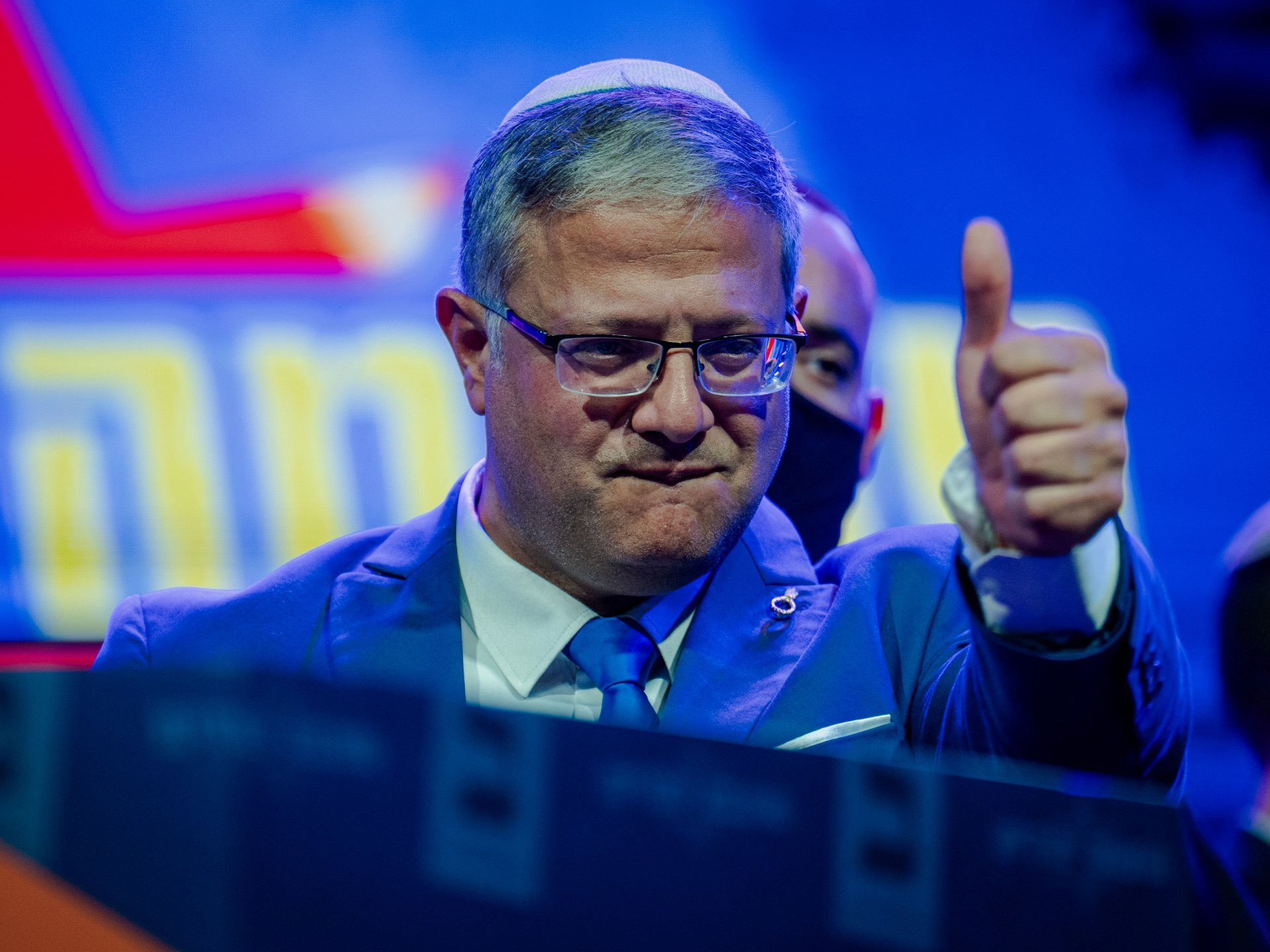
Israeli candidates, led by incumbent Benjamin Netanyahu and far-right politician Itamar Ben-Gvir, pursued aggressive campaign strategies centered on security pledges and criticism of Arab political representation. Netanyahu and his allies made sweeping assurances about territorial control and military strength, while simultaneously targeting Arab parties as a political threat, seeking to mobilize right-wing and religious voter blocs.
Despite the intensity of campaign rhetoric and the resources deployed across competing factions, the elections produced a deadlocked result that reflects deep divisions within Israeli society. No single political alliance emerged with sufficient seats to form a governing coalition without difficult negotiations and compromises that often contradict campaign positions.
The outcome illustrates a recurrent pattern in Israeli politics where campaign hyperbole gives way to complex coalition arithmetic. Political actors must reconcile their hardline rhetoric with the practical necessity of building parliamentary majorities, frequently requiring agreements with parties they previously attacked or marginalized during electoral competition.
As coalition negotiations proceed, the gap between campaign promises and political reality will likely widen, raising questions about electoral accountability and the credibility of political messaging in polarized democracies where fragmentation prevents any single force from commanding a mandate.