Politics · India Bureau
Israeli election leaves Netanyahu, rivals deadlocked in coalition race
Final results from Israel's parliamentary elections have failed to deliver a majority to either Prime Minister Benjamin Netanyahu's bloc or the main opposition, setting the stage for weeks of complex coalition negotiations. Multiple scenarios could emerge, including unprecedented alliances between Jewish and Arab-led parties or defections from anti-Netanyahu camp.
LSN India ·
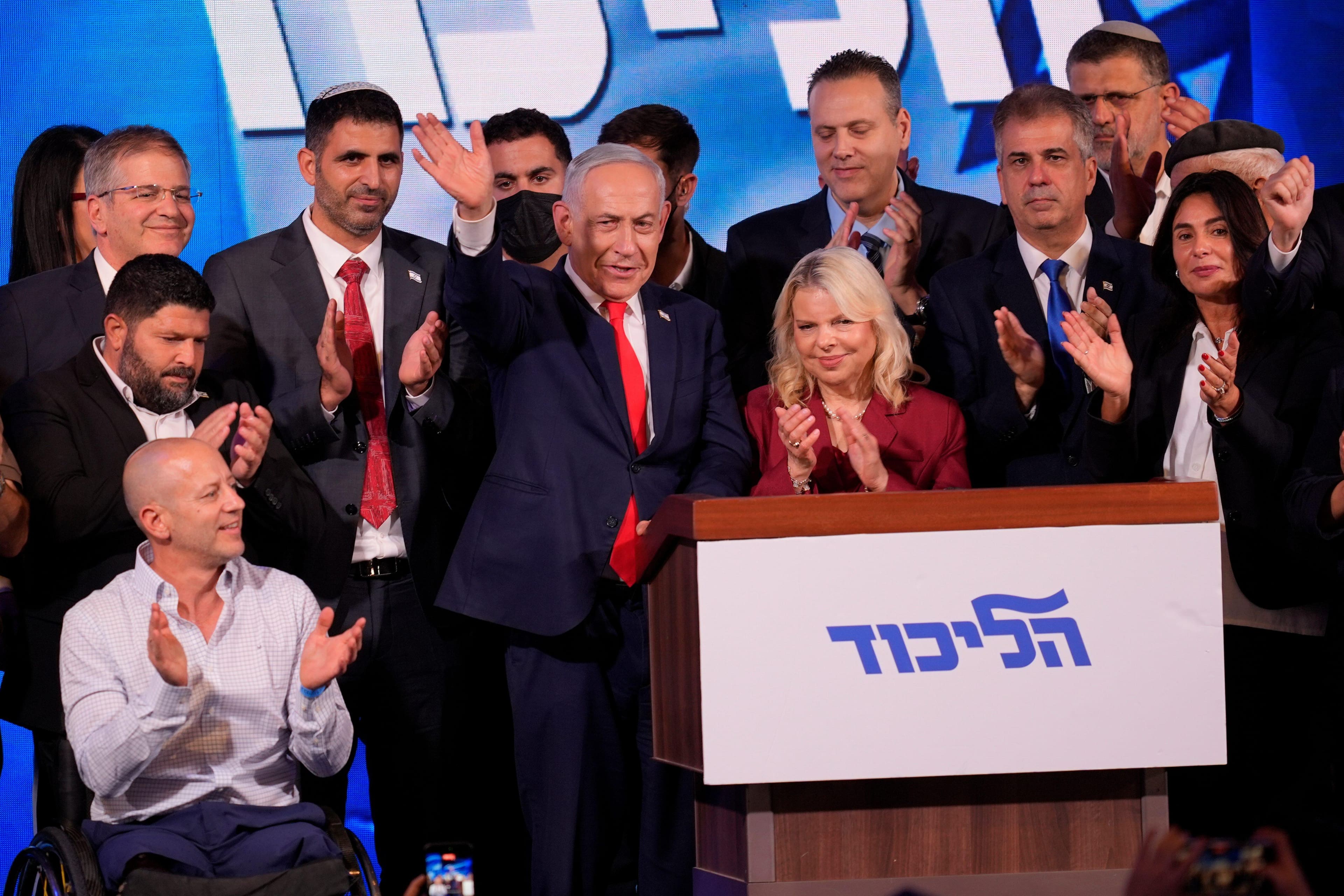
Israel's Central Elections Committee released final results showing Netanyahu's coalition secured 53 seats in the 120-member Knesset, significantly short of the 68-seat majority required to form a government. This represents a substantial decline from the bloc's previous peak strength, leaving both major political camps without a clear path to power. The opposition similarly fell short of securing an independent majority, creating an unprecedented political impasse in the country.
The weeks ahead are expected to be consumed by intensive negotiations as various party leaders attempt to assemble a governing coalition. Multiple scenarios are being discussed in political circles, including a controversial possibility that Jewish and Arab-led parties—traditionally opposed to Netanyahu—might unite to block his return to office. Alternatively, some parties that campaigned explicitly on removing Israel's longest-serving prime minister could reverse course and join his coalition, a shift that would deepen political divisions.
These potential outcomes have already triggered heated debate across Israel's deeply fractured political landscape. The stakes are particularly high given the country's ongoing security challenges and internal social tensions. If coalition negotiations fail to produce a government within the designated timeframe, Israel could face another round of elections, further delaying resolution of the political crisis and potentially adding to public frustration with the electoral process.