Politics · World News Bureau
Israeli election outcome could reshape regional dynamics beyond borders
While a change of government is unlikely to immediately resolve the Israeli-Palestinian conflict, political shifts could potentially moderate hardline policies and reduce tensions across the Middle East.
LSN World News ·
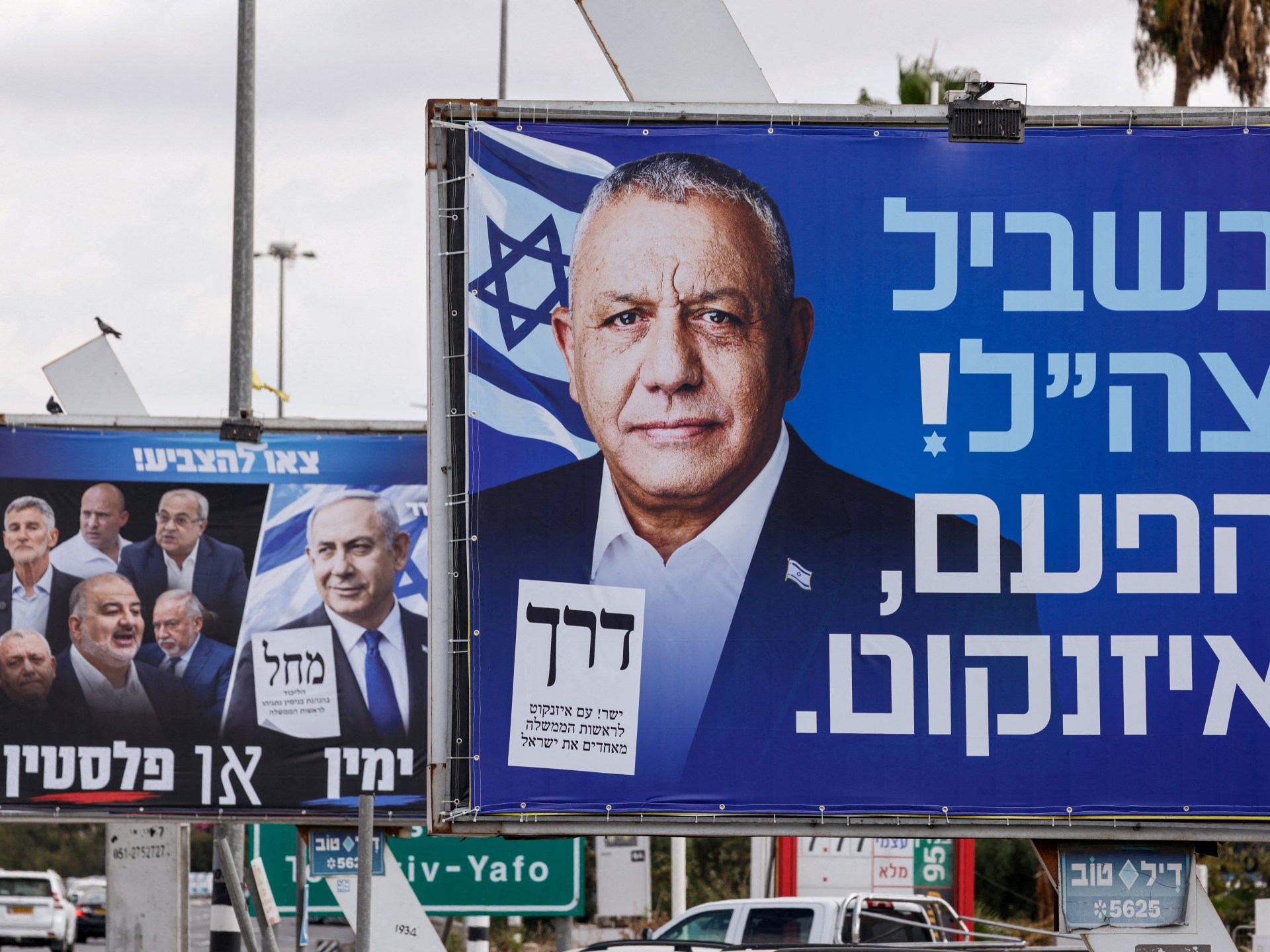
Israel's upcoming electoral contest carries implications that extend well beyond domestic politics, with the composition of a new government potentially influencing stability and diplomatic relations throughout the region. A change in administration could alter the trajectory of policies affecting Palestinian territories and neighboring states, even if fundamental structural issues remain unresolved.
Analysts note that while no foreseeable government formation would reverse the decades-long occupation of Palestinian territories, shifts in political power could constrain the influence of far-right factions currently shaping national policy. Such moderation could reduce inflammatory rhetoric and provocative actions that have historically escalated tensions with neighboring countries and complicated international relations.
Regional observers are monitoring the election closely, recognizing that Israeli political outcomes have ripple effects across the Middle East. A government less dependent on far-right coalition partners could potentially pursue more measured approaches to security challenges and diplomatic engagement, though fundamental disputes over Palestinian statehood and territorial boundaries would likely persist.
The stakes of the election underscore how domestic political changes in Israel can reshape the broader geopolitical landscape. International actors across South and Southeast Asia and beyond maintain keen interest in the outcome, understanding that Israeli government composition influences regional stability and the prospects for managing ongoing conflicts.