Politics · World News Bureau
Israeli election results signal shift in religious community political influence
The outcome of Israel's latest electoral contest is reshaping the political landscape for religious groups across the country. Faith-based communities face a period of recalibration as coalition dynamics shift.
LSN World News ·
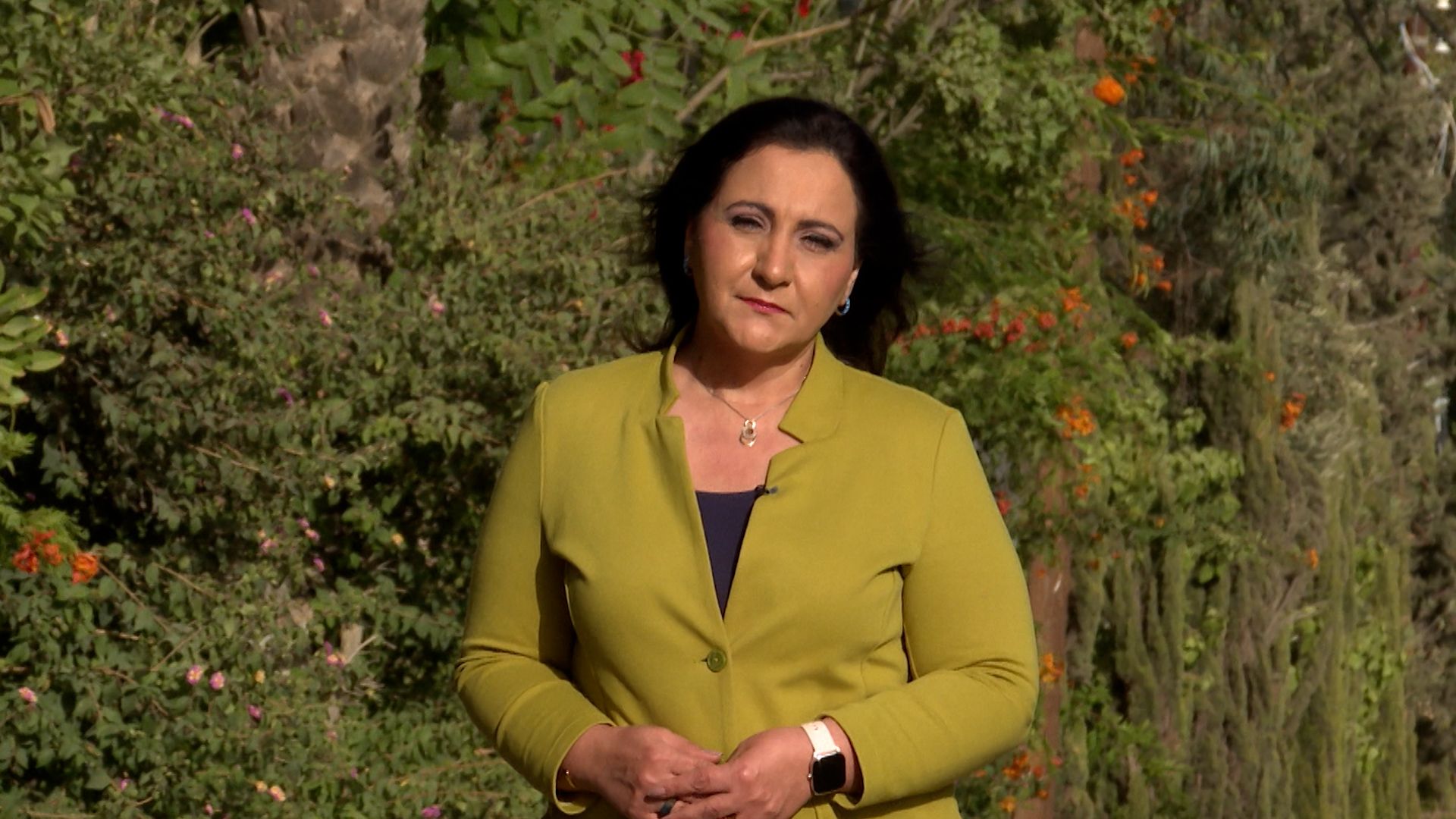
Israel's election results are prompting reassessment among religious organizations and faith-based political movements about their role in national governance. The composition of the new parliament will determine which religious constituencies gain influence over policy decisions affecting education, religious services, and community funding.
Religious political parties have historically played significant roles in Israeli coalitions, leveraging their voter bases to secure ministerial positions and legislative priorities. The latest election results suggest potential changes to these traditional power dynamics, with shifts in voter preferences affecting the negotiating position of faith-based political movements.
Ultra-Orthodox Jewish communities, Muslim Arab citizens, Christian minorities, and other religious groups face differing implications depending on the emerging coalition structure. Education policy, military service exemptions, and religious affairs budgeting remain central concerns for these constituencies as new government formations take shape.
Religious leaders across communities are analyzing the electoral outcome to determine their advocacy strategies for the coming legislative term. The balance of power among secular and religious factions in the parliament will influence the trajectory of faith-centered initiatives and religious freedoms policy in Israel moving forward.