World · India Bureau
Israeli kingmaker Eisenkot faces coalition choices after election
Former military chief Gadi Eisenkot has been tasked with forming a government following Israeli elections, with three potential paths forward: a power-sharing deal with Netanyahu, support from Arab parties, or alignment with ultra-Orthodox factions.
LSN India ·
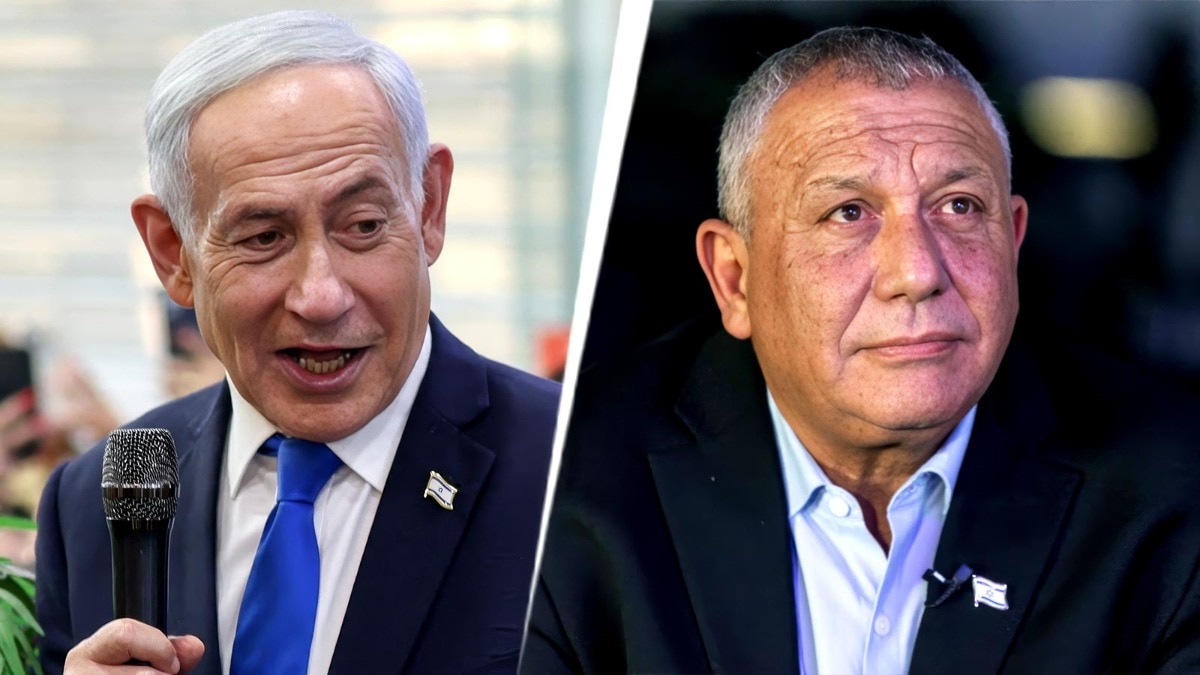
Israel's coalition formation process has intensified following recent elections, with President Isaac Herzog assigning the mandate to form a government to Eisenkot, the former chief of staff of the Israel Defense Forces.
Eisenkot now faces a complex political landscape with limited options to achieve a governing majority. The three primary avenues available to him involve either entering into a power-sharing arrangement with Benjamin Netanyahu, seeking support from Arab-majority parties, or negotiating with ultra-Orthodox political factions.
Each pathway carries distinct political complications. A partnership with Netanyahu would require Eisenkot to subordinate his own political standing within any coalition government. An alternative coalition relying on Arab party support would mark a significant departure from Israeli coalition-building traditions and would likely face opposition from right-wing political forces. The third option of aligning with ultra-Orthodox parties would necessitate concessions on secular governance issues.
The timing of Eisenkot's assignment reflects the difficulty in forming a stable majority following the electoral outcome, suggesting no single bloc emerged with sufficient strength to govern independently. His military background and relative political independence position him as a potential consensus figure, though his negotiations in the coming weeks will determine whether any coalition configuration proves viable.
The next stages of Israel's government formation will depend significantly on which political partners Eisenkot prioritizes and whether competing factions prove willing to make the compromises necessary for coalition stability.