World · World News Bureau
Israeli political blocs spurn Palestinian voter backing in coalition talks
Palestinian citizens of Israel, who hold significant electoral power, find their political support rejected by major Jewish-led parties in ongoing coalition negotiations. The dynamic underscores deepening divisions within Israeli politics over the role of Arab-Israeli representation.
LSN World News ·
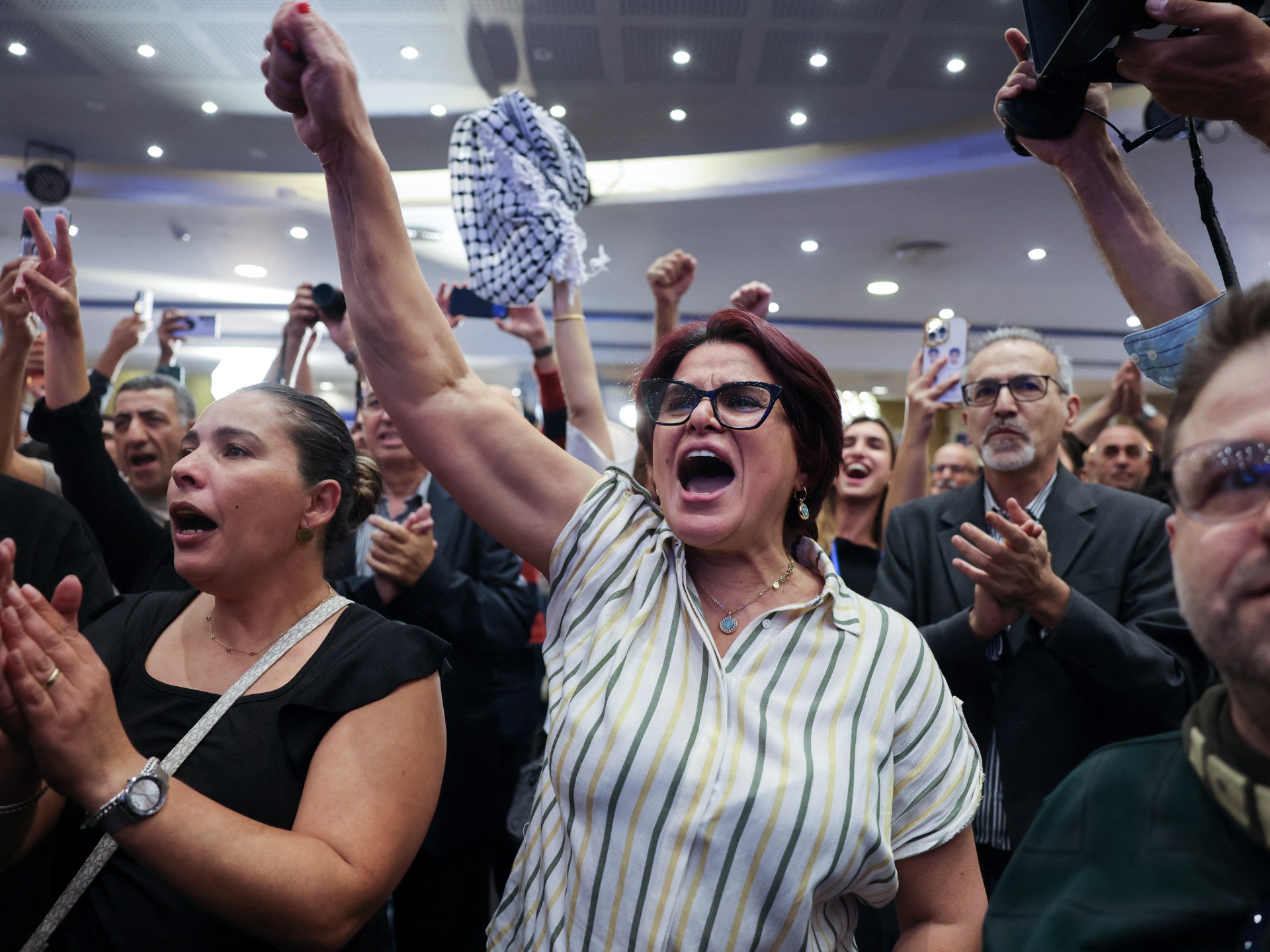
Palestinian political parties and independent Arab-Israeli candidates have offered their support to various Jewish-led blocs in Israel's fragmented political landscape, yet their overtures have been systematically rebuffed. The rejections highlight a persistent pattern within Israeli politics where Arab-Israeli votes are sought at the ballot box but their political leverage is dismissed once elections conclude.
Analysts point out that Palestinian voters represent a significant demographic force capable of influencing coalition arithmetic in Israel's proportional representation system. Despite this electoral reality, mainstream Jewish political parties have maintained traditional barriers against formal alliances with Arab representatives, citing ideological and security-related concerns.
The standoff reflects broader tensions within Israeli society regarding the status and participation of its Arab minority in governance. Palestinian political leadership has characterized the rejections as evidence of second-class citizenship, arguing that their constituents' votes are valued only when convenient to Jewish-majority parties seeking electoral advantage.
Coalition negotiations continue as parties seek to form a governing majority. The exclusion of Palestinian political blocs from coalition discussions raises questions about the inclusivity of Israel's democratic institutions and the actual political weight held by Arab-Israeli citizens despite their substantial numbers.