World · Bangladesh Bureau
Israeli Political Deadlock: Netanyahu and Eisenkot Face Coalition Challenges
Israel's political landscape remains fractured following recent elections, leaving veteran leaders Netanyahu and Eisenkot without a clear path to forming a governing majority. Both face difficult negotiations and strategic decisions as coalition-building efforts intensify.
LSN Bangladesh ·
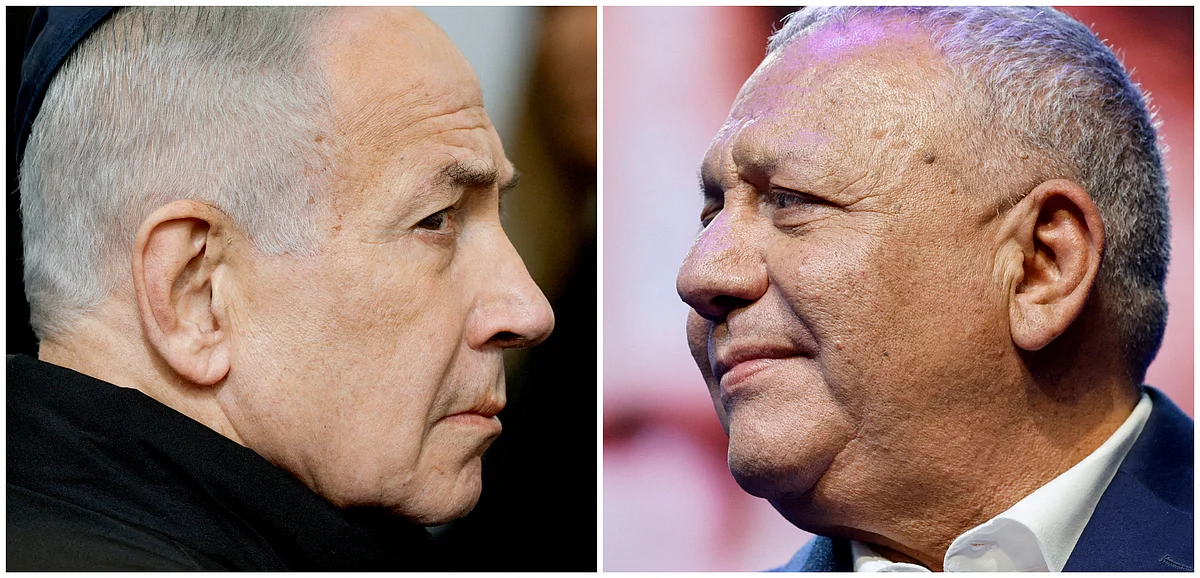
Israel's political situation has reached a critical juncture, with neither former Prime Minister Benjamin Netanyahu nor military veteran Benny Gantz's ally Moshe Eisenkot commanding an outright parliamentary majority. The election results have left both potential prime ministerial candidates scrambling to cobble together coalition governments from a fragmented Knesset, where no single bloc holds decisive power.
Netanyahu, who has dominated Israeli politics for over a decade, must navigate competing demands from nationalist and religious parties whose support he may require. These coalition partners often hold strong ideological positions on key issues including settlement expansion and judicial reform, potentially complicating governance. Meanwhile, Eisenkot and his centrist faction face their own coalition mathematics, needing to secure support from parties with divergent policy priorities.
The path forward for either leader involves either forming a broad, unwieldy coalition that spans the political spectrum, or entering into confidence-and-supply agreements with smaller parties. Both approaches carry risks of instability and internal conflict. Observers note that Israel could face prolonged negotiations before a functioning government emerges, potentially delaying critical policy decisions on security and economic matters.
Historically, Israeli governments have navigated such fractured parliaments through compromise and coalition management. However, the current political polarization and ideological divisions suggest that building consensus will prove particularly challenging this time around. The coming weeks will prove decisive in determining which leader can assemble a workable governing arrangement.