Business · World News Bureau
Israeli Politics Defined by Palestinian Question, Not Economics
Israel's political spectrum has become increasingly shaped by competing visions on Palestinian statehood and occupation rather than traditional left-right economic divides. The realignment reflects decades of conflict dominating national discourse and electoral choices.
LSN World News ·
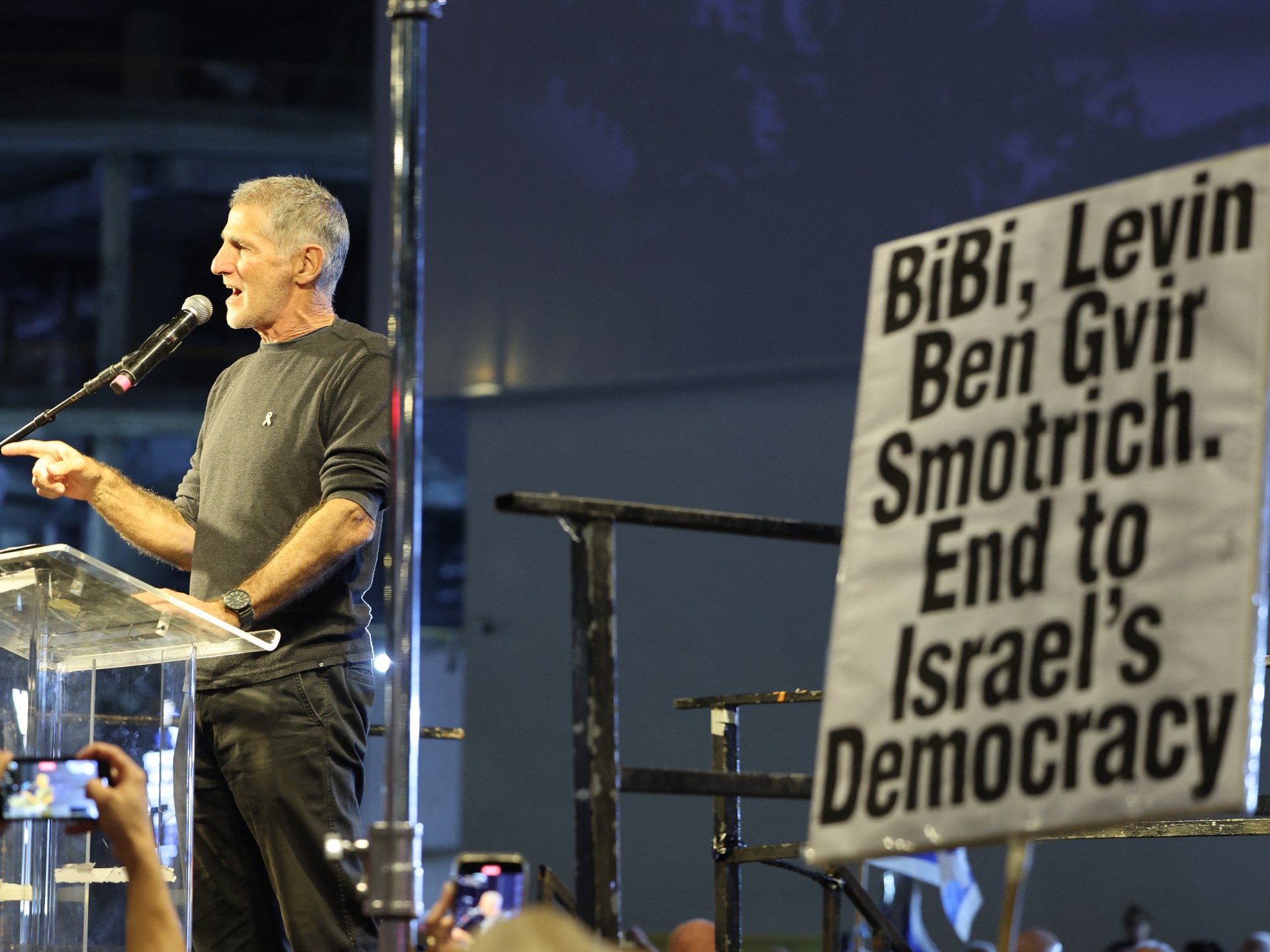
Israel's contemporary political landscape bears little resemblance to the traditional left-right economic frameworks common in Western democracies. Instead, the nation's most fundamental ideological fault line centers on attitudes toward Palestinian self-determination and the future of Israeli-occupied territories.
This reconfiguration emerged gradually over decades of conflict, progressively eclipsing conventional debates about taxation, social services, and labor rights that typically define political divisions elsewhere. Parties and voters across the spectrum now organize themselves primarily around questions of territorial expansion, settlement policy, and the prospects for a Palestinian state.
The shift has created unusual political alignments in which economic philosophies may align with incompatible security doctrines, or progressive social policies coexist with hardline positions on Palestinian issues. This framework influences coalition-building, electoral strategy, and the composition of Israel's legislative and executive branches.
Analysts note the dominance of security and sovereignty concerns reflects the persistent salience of the Israeli-Palestinian conflict in national consciousness. These structural divisions have proven more durable than economic cleavages in determining political identity and voter behavior in consecutive election cycles.