Politics · World News Bureau
Israeli Settlements Expand Regardless of Leadership Changes in Both Nations
Despite periodic shifts in political leadership in Washington and Jerusalem, Israeli settlement construction in occupied Palestinian territories has continued unabated, suggesting structural continuity in policy regardless of electoral outcomes.
LSN World News ·
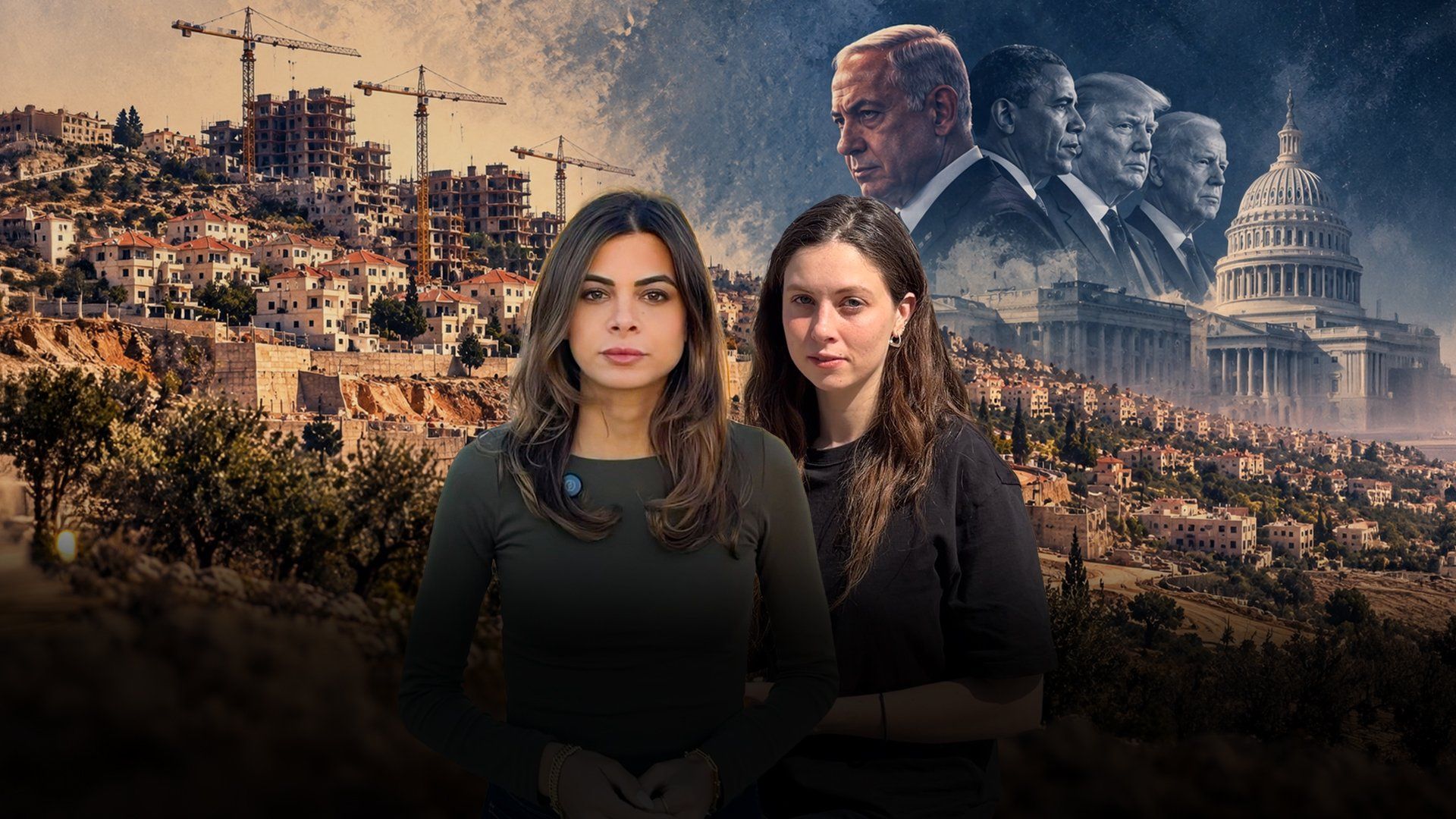
The rotation of administrations in both the United States and Israel has historically prompted expectations of policy shifts, yet settlement expansion in the West Bank has remained largely consistent across different political cycles. Whether Democratic or Republican presidents occupy the White House, and regardless of which Israeli coalition governs, construction activities in disputed territories have persisted as a defining feature of the occupation.
This pattern reflects deeper structural factors that transcend individual administrations. Israeli settlement policy has become embedded in domestic political calculations and state infrastructure, while successive US governments—despite occasional rhetorical differences—have generally maintained strategic alignment with Israeli security interests that effectively accommodates settlement activity.
International efforts to address Palestinian land claims through negotiated solutions have stalled for years, leaving the ground reality increasingly shaped by ongoing construction rather than diplomatic progress. The consistency of settlement expansion across multiple electoral cycles underscores how substantive policy change on this issue has proven elusive regardless of which political leaders command their respective governments.
Palestinian officials and international observers have long pointed to the disconnect between stated commitments to peace negotiations and the physical expansion of Israeli control over territory designated for a future Palestinian state. This gap between diplomatic language and on-the-ground developments remains one of the most contentious obstacles to resolving the decades-long conflict.