Business · World News Bureau
Israeli Settlers Use Flags as Tool to Assert Control in West Bank
The proliferation of Israeli flags across occupied Palestinian territories reflects a strategy by settlers to establish visual dominance and reinforce territorial claims. Rights advocates say the practice is part of a broader effort to marginalize Palestinian presence in disputed areas.
LSN World News ·
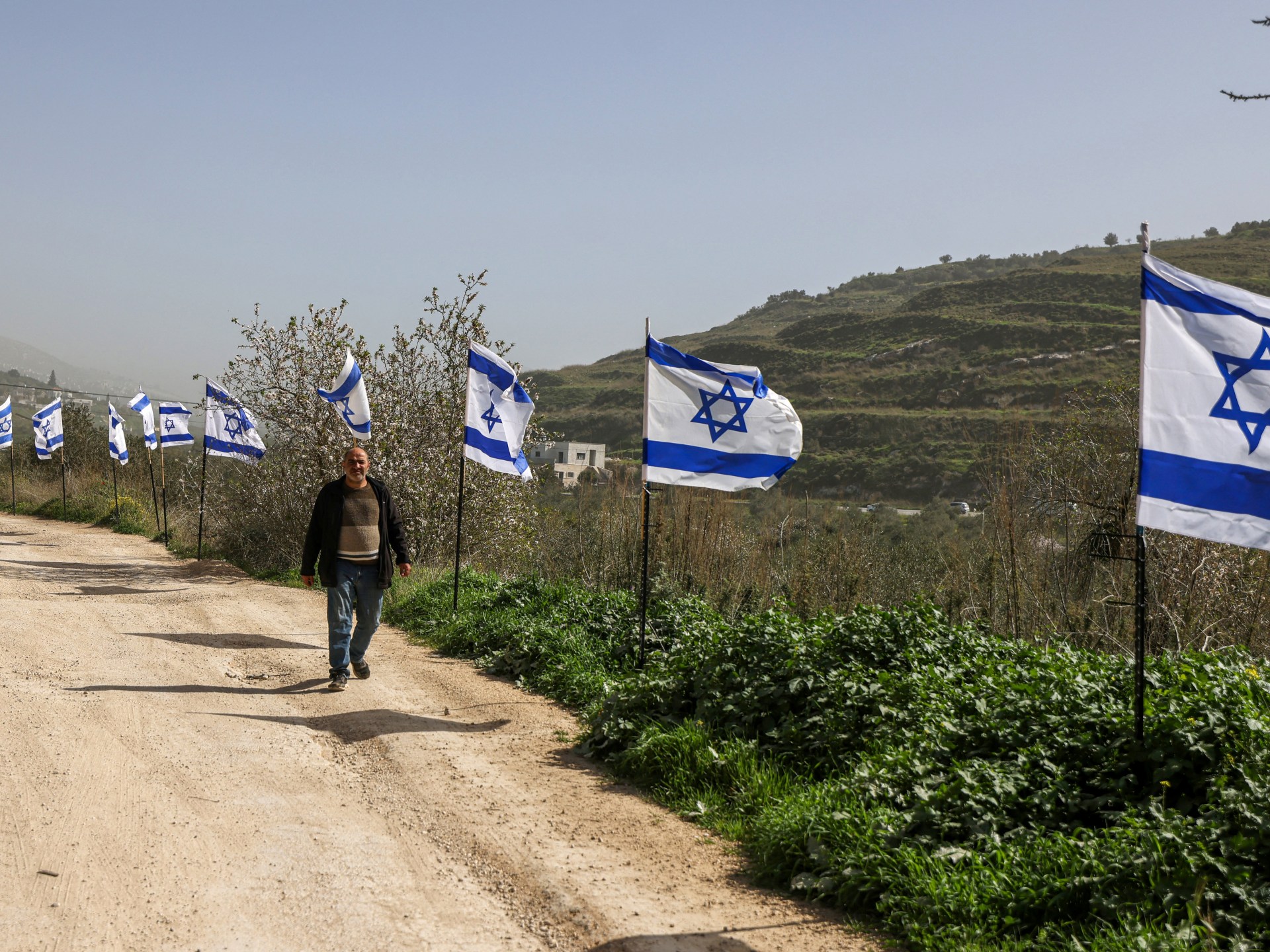
Israeli flags have become an increasingly visible symbol of settler expansion across the West Bank, with their placement serving as a marker of claimed territorial control. From hilltops to residential compounds, the flags represent more than nationalist sentiment—they function as physical expressions of land assertion, particularly in areas of disputed ownership and control.
Palestinian activists and international observers describe the flag strategy as part of a systematic effort to establish psychological and visual dominance over contested spaces. By marking territory with national symbols, settlers signal claims to land while simultaneously creating an environment where Palestinians report feeling unwelcome in their own communities. The practice intensifies tensions in villages already experiencing land disputes and restrictions on movement.
The Israeli government maintains that settlements are legal under domestic law, though they remain contentious under international law and a major point of friction in Israeli-Palestinian relations. Meanwhile, Palestinian officials argue that such visual claims represent an escalation in efforts to alter the demographic and political landscape of occupied territories without formal legal processes.
Human rights organizations have documented the correlation between increased flag displays and heightened confrontations between settlers and Palestinian residents. They characterize the practice as part of a broader pattern aimed at establishing irreversible facts on the ground that could complicate any future territorial negotiations or resolution frameworks.