Politics · Bangladesh Bureau
Israeli voters cast ballots; complex coalition talks loom ahead
Israelis have voted in national elections, but the path to forming a government remains uncertain and contentious. Coalition negotiations are expected to be protracted and complicated.
LSN Bangladesh ·
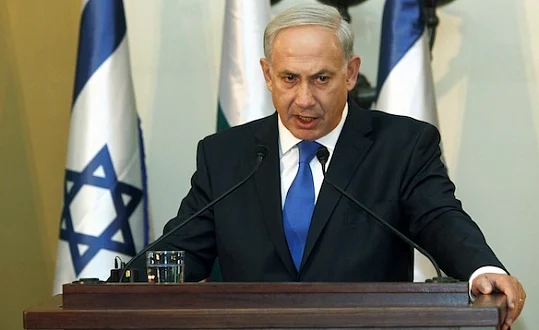
Israelis went to the polls in elections that delivered results unlikely to produce a clear governing majority for any single party. The fragmented outcome means the country faces an intricate political process as parties attempt to build a viable coalition government.
Israel's electoral system, based on proportional representation, typically requires multiple parties to unite behind a shared agenda. This structure often leads to extended negotiations where smaller parties wield significant influence over policy priorities and ministerial positions.
The incoming weeks will see intensive bargaining as party leaders attempt to forge agreements on key issues including economic policy, security matters, and religious legislation. These discussions frequently prove contentious, with negotiations sometimes stalling over fundamental disagreements.
Historically, coalition formation in Israel can extend over weeks or months as parties maneuver for advantageous positions. The complexity increases when ideological differences between potential partners run deep, potentially threatening the stability of any agreement reached.
Once a coalition agreement is finalized, the largest party's leader typically receives the mandate to form a government. However, final approval requires securing the support of a Knesset majority, a hurdle that sometimes forces compromise on previously non-negotiable demands.