Politics · World News Bureau
Israeli voters sidestep Gaza conflict in election results
Israel's latest electoral outcome suggests limited public appetite for major policy shifts on the Gaza situation, despite ongoing regional tensions and international criticism. The result underscores divisions within Israeli society over how to address the conflict.
LSN World News ·
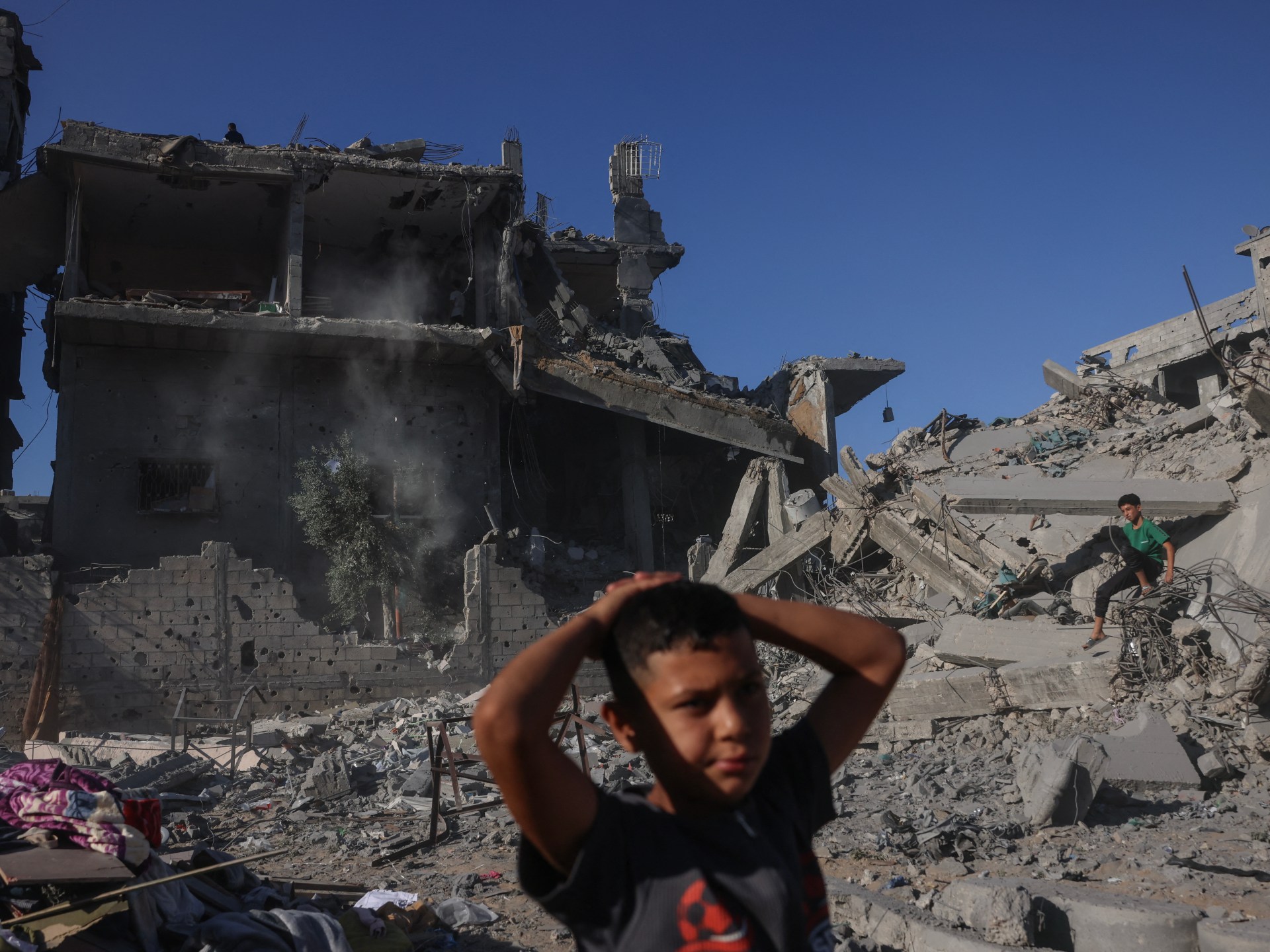
Israel's recent election results reflected voter priorities that largely bypassed the Gaza conflict, even as the territory remained engulfed in violence and the country faced mounting regional pressures. Exit polling and electoral patterns indicated that Israeli voters focused on domestic economic concerns, security governance, and internal political divisions rather than seeking alternatives to current military strategies or peace initiatives.
The election outcome demonstrated a fragmented political landscape with no clear consensus emerging for substantially different approaches to the conflict. Established political blocs maintained their core support bases, while smaller parties made incremental gains without fundamentally reshaping the electoral map. Neither leftist parties advocating dialogue nor right-wing factions pushing hardline positions achieved breakthrough results that would signal a dramatic shift in public sentiment.
Analysts pointed to several factors shaping voter behaviour, including deep polarization within Israeli society, competing security narratives, and the electorate's tendency to prioritize immediate domestic governance over foreign policy realignment. The election results reflected what political observers described as a status quo preference among voters, despite international isolation and humanitarian concerns raised by global bodies regarding the conflict's toll.
The outcome suggested that significant political change on Gaza policy would likely require shifts in external circumstances or leadership initiative rather than emerging organically from electoral pressure. Israeli political parties across the spectrum continued debating tactics and strategy, but the voting patterns indicated limited public mandate for fundamental recalibration of existing approaches.