World · India Bureau
Israeli Youth Seek Refuge in Himachal Pradesh Amid Conflict
Young Israelis fleeing military service and warfare are increasingly drawn to Dharamkot in Himachal Pradesh, seeking solace in India's popular backpacker circuit. The influx has sparked concerns among locals about overtourism, substance abuse, and cultural impacts on the quiet mountain community.
LSN India ·
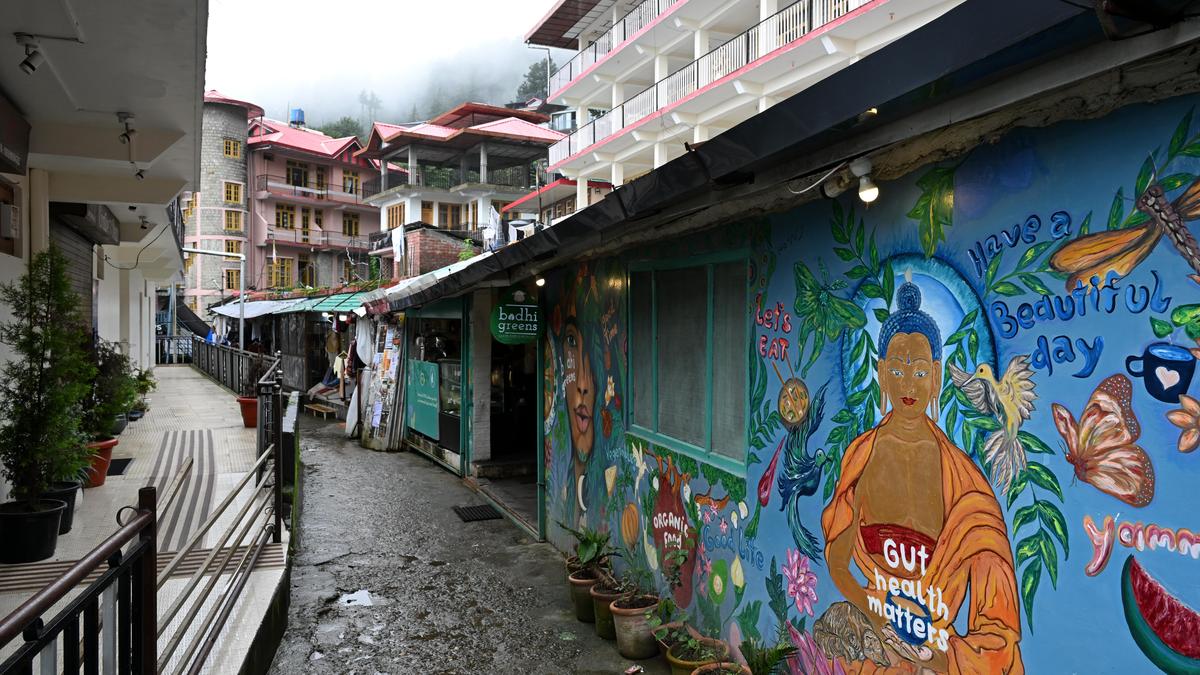
Dharamkot, a small hamlet nestled in the Himalayan foothills of Himachal Pradesh, has become an unexpected sanctuary for Israeli youth seeking respite from the pressures of mandatory military service and ongoing conflict in their homeland. The village, part of what travellers refer to as India's "Hummus Trail"—a route popular among Israeli backpackers exploring South Asia—offers a tranquil retreat where visitors pursue meditation, spiritual practices, and personal healing away from the stresses of home.
While the recent escalation of conflict in the Middle East has caused a marginal decline in visitor numbers, the broader trend of Israeli tourists gravitating towards Dharamkot and surrounding areas has been sustained over years. The search for peace and rejuvenation in India's serene mountain landscape continues to draw those seeking temporary escape and psychological recovery from military obligations and regional tensions.
However, the growing tourism influx has begun to strain the small community's resources and cultural fabric. Local residents have expressed mounting concerns about overtourism's impact on the environment and traditional way of life, alongside worries about drug abuse and the establishment of rave culture in what was once a quiet retreat. Community leaders are grappling with balancing economic benefits from tourism against preservation of the region's character and social stability.
The phenomenon underscores broader patterns of young Israelis utilizing extended travel to India as a decompression period following or during military service, a practice that has been documented for decades. Yet as visitor numbers have grown, questions about sustainable tourism and responsible travel practices have become increasingly urgent for both local stakeholders and the broader backpacking community.