Business · India Bureau
Italian farmer's ancient wheat discovery offers drought resilience clue
An Italian farmer's chance discovery of heritage wheat seeds in his attic has reignited interest in crop varieties that may help agriculture adapt to climate stress. The rediscovered grain demonstrated superior drought resistance compared to modern wheat cultivars.
LSN India ·
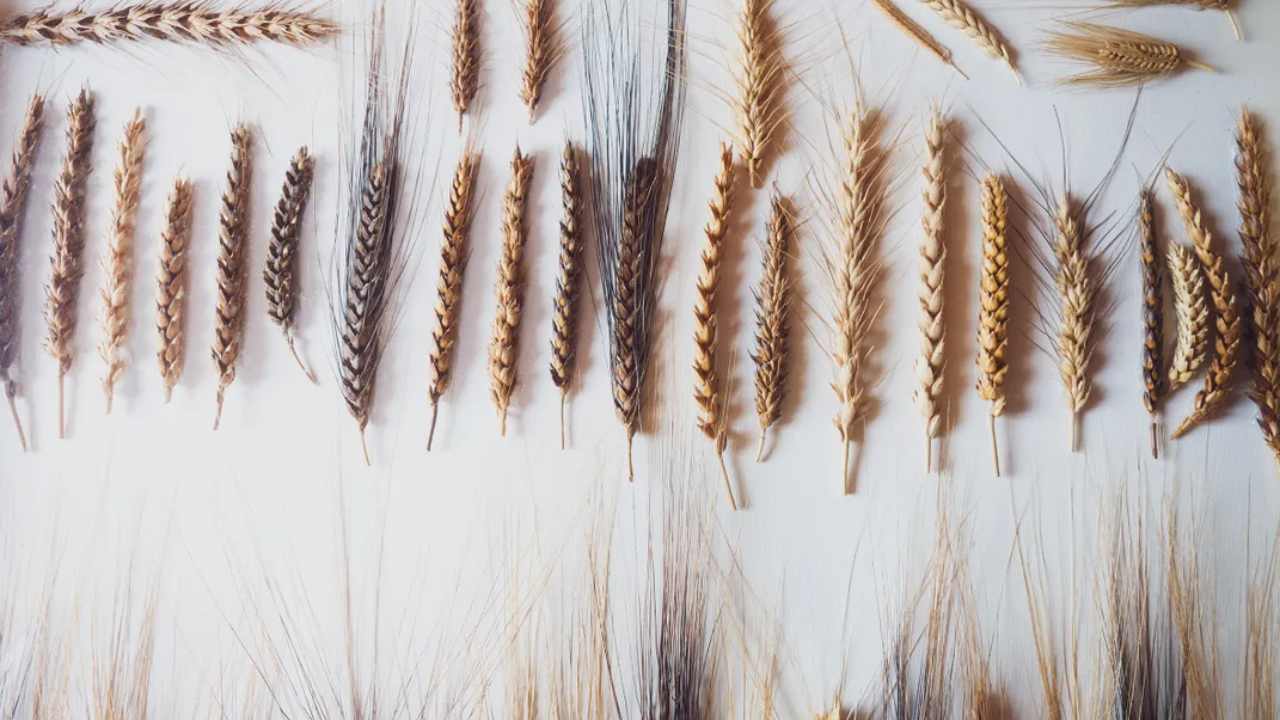
Claudio Grossi, a farmer in Italy, recently unearthed packets of seeds in his attic that would prove far more significant than initially apparent. The seeds belonged to Triticum turgidum, an ancient wheat variety believed to be over a century old, which Grossi subsequently cultivated on his farm.
The heritage grain exhibited a distinctive characteristic: individual stalks produced up to seven ears of wheat simultaneously, a trait rarely seen in contemporary commercial varieties. More notably, the crop demonstrated impressive resilience to drought conditions, significantly outperforming modern wheat strains when water availability was limited.
Agricultural researchers have highlighted the importance of preserving genetic diversity in crop species as the world faces mounting pressure from climate change and shifting weather patterns. Heritage and heirloom varieties often carry dormant traits that may prove invaluable in developing crops capable of withstanding environmental stress.
The discovery has prompted further investigation into the nutritional profile and practical agricultural applications of Triticum turgidum. Scientists are examining whether the drought-resistant properties of the ancient variety could be integrated into modern breeding programs to create more resilient crops for farmers worldwide, particularly in regions vulnerable to water scarcity.