Politics · World News Bureau
Italy's Election Law Reform Sparks Democratic Concerns Over Majority Bonus
Italy is considering legislation that would award additional parliamentary seats to election-winning coalitions, a move critics argue could concentrate excessive power in the hands of victors. The proposal has drawn scrutiny from democratic watchdogs concerned about the potential erosion of balanced representation.
LSN World News ·
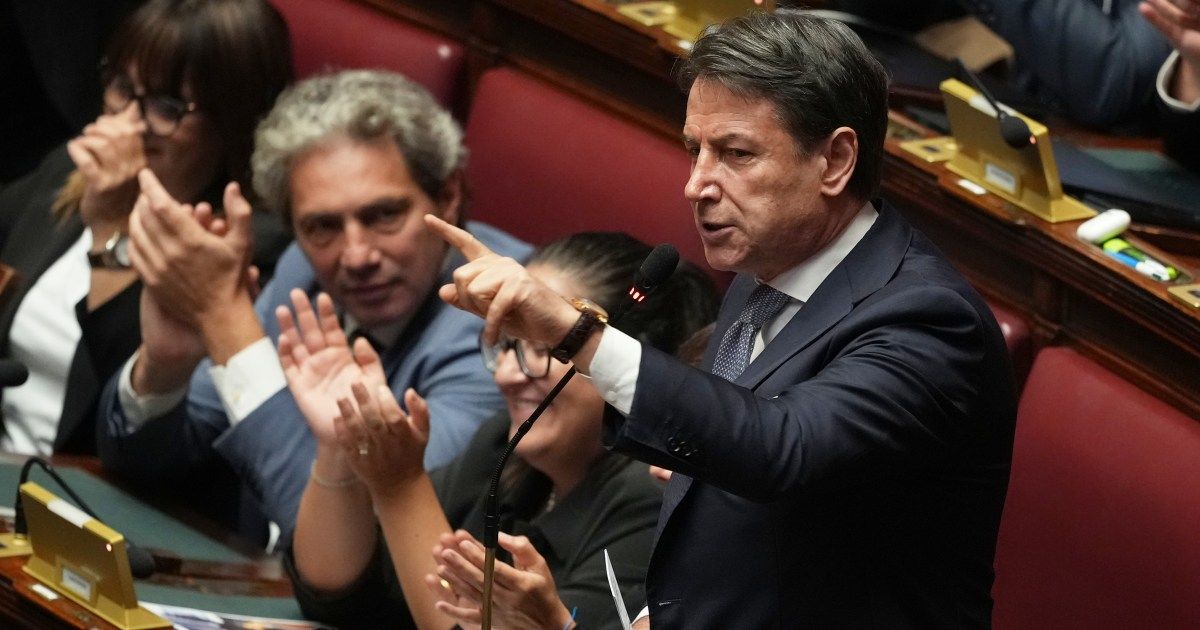
Italian lawmakers are advancing a contentious electoral reform designed to grant bonus seats in parliament to the coalition that emerges victorious in national elections. Proponents argue the mechanism would strengthen governmental stability and clarity, allowing winning coalitions to govern more effectively. However, the proposal has attracted significant opposition from political analysts and civil society groups who contend it deviates from democratic principles of proportional representation.
Under the proposed framework, the winning coalition would receive additional parliamentary seats beyond those earned through standard vote tallies, effectively amplifying their legislative majority. Critics warn this arrangement could create disproportionate power imbalances, enabling narrow electoral victories to translate into commanding parliamentary supermajorities. Such concentration of authority, opponents argue, would diminish the influence of minority parties and reduce checks on executive power.
The debate reflects broader tensions across European democracies regarding electoral systems and their effects on representation. Supporters of the reform point to examples in other nations where similar mechanisms have fostered more stable governments. Yet detractors maintain that bonus seat systems fundamentally compromise the principle of proportional democracy, potentially marginalizing substantial portions of the electorate whose votes fail to translate into meaningful parliamentary representation.
The legislation remains under consideration in the Italian parliament, where its passage would require navigating significant political resistance from opposition parties and civil rights advocates concerned about institutional safeguards.