Politics · India Bureau
J&K High Court Orders Policy Review on Ex-CM's Official Residence Retention
The Jammu and Kashmir High Court has sought clarification on government policy regarding the retention of official accommodation by former Chief Minister Ghulam Nabi Azad and BJP leader Kavinder Gupta. The court's intervention follows a precedent set in 2022 when it rejected security-based pleas against eviction from government properties.
LSN India ·
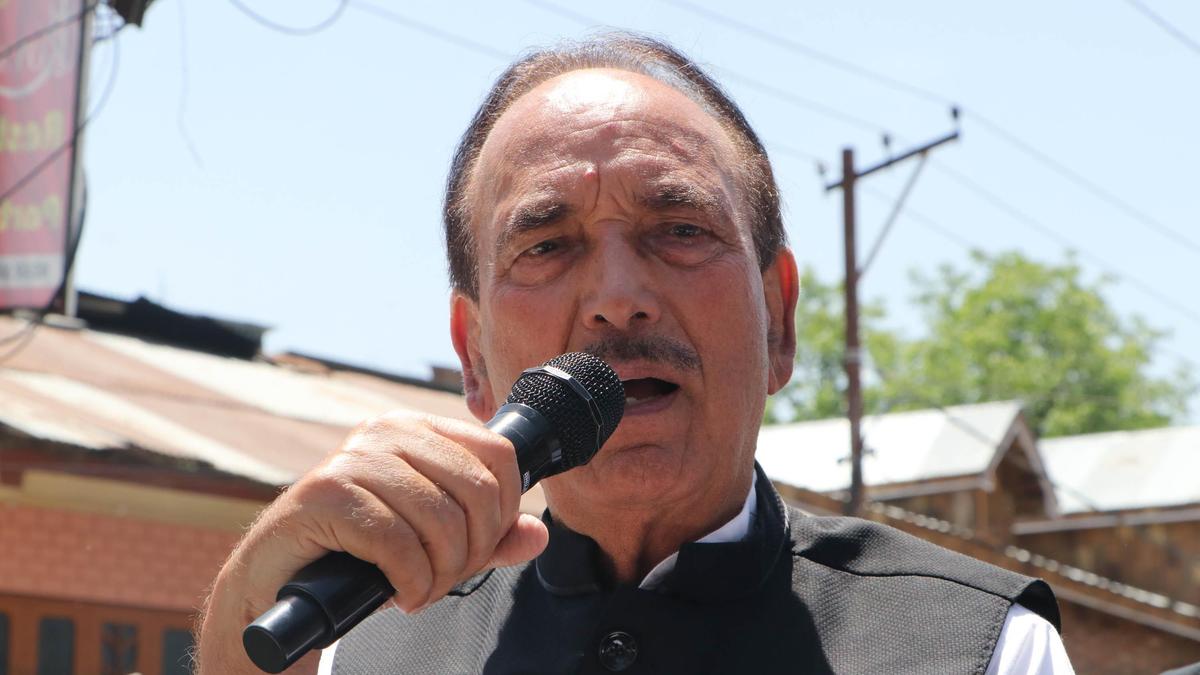
The Jammu and Kashmir High Court has directed authorities to clarify the existing policy governing the retention of government-provided accommodation by former Chief Ministers and senior political figures. The bench sought detailed submissions on the criteria and duration for which such officials can continue occupying state residences after completing their tenures.
The court's move reflects growing scrutiny over the prolonged occupation of official properties by former dignitaries. The development comes as petitions remain pending regarding the residential status of former Chief Minister Ghulam Nabi Azad and BJP leader Kavinder Gupta, both of whom have sought to retain government accommodations.
In establishing the judicial context for its current direction, the court referenced its 2022 judgment in a comparable matter. In that case, the bench had declined to provide protection against eviction for any of the involved parties based on security considerations, setting a significant precedent for similar disputes.
The High Court's intervention underscores the need for transparent, uniform guidelines on property management. The bench is likely seeking to establish clear parameters that balance the legitimate security and residential needs of former officials against the government's interest in managing its property portfolio efficiently.
The court is expected to hear further submissions from relevant government departments and the petitioners before issuing comprehensive directions on the matter. The judgment could establish binding norms for future cases involving residential claims by former constitutional office-holders in the union territory.