Politics · India Bureau
Jaishankar urges overhaul of global institutions to match new world order
External Affairs Minister S Jaishankar has called for urgent reform of multilateral institutions to keep pace with the shifting global landscape. Speaking at the Middle East edition of the Raisina Dialogue in Abu Dhabi, he stressed that smaller groupings of nations could play a crucial role in advancing this transformation.
LSN India ·
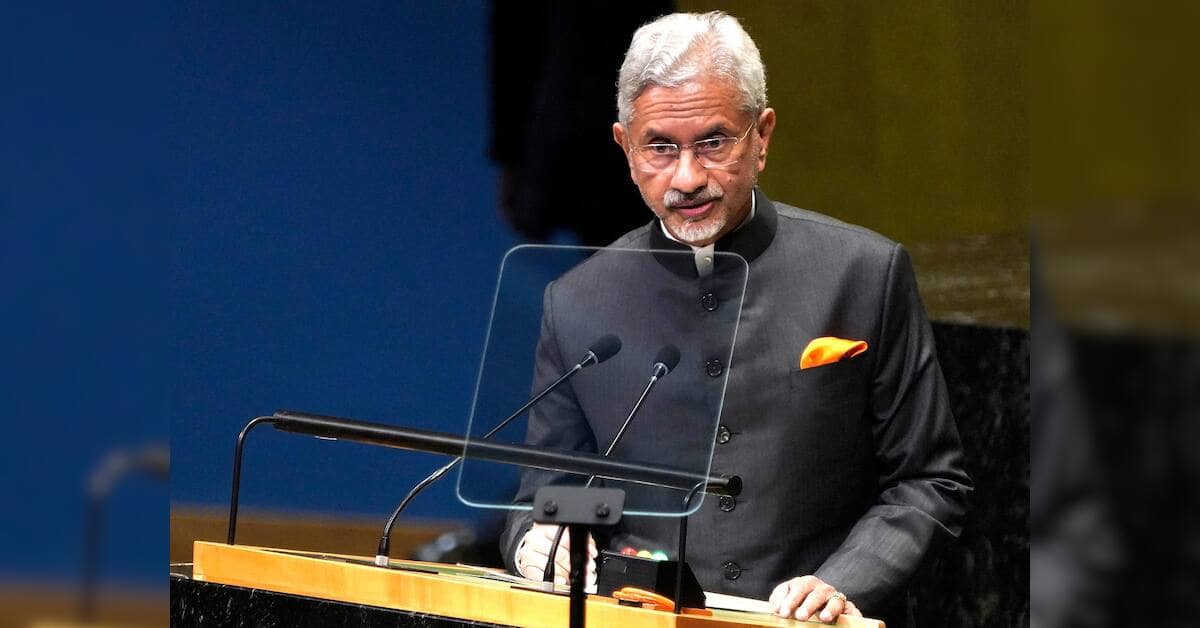
India's External Affairs Minister S Jaishankar has emphasized the pressing need to restructure multilateral institutions to reflect contemporary geopolitical realities, saying the current pace of global change demands swift action. Addressing an audience at the Raisina Dialogue's Middle East edition in Abu Dhabi on Wednesday, Jaishankar underscored how the international order is evolving due to both long-standing structural shifts and sudden shocks to the system.
Speaking alongside UAE Deputy Prime Minister and Foreign Minister Sheikh Abdullah bin Zayed Al-Nahyan during a session titled "The World Ahead: Power, Purpose & Possibility," Jaishankar noted that nations are actively seeking new partnerships and exploring alternative arrangements tailored to their individual circumstances. He stressed that countries must move beyond established frameworks and conventional alignments to navigate the complex geopolitical terrain.
"New partnerships and fresh options are inevitably explored in that pursuit," the minister said in remarks shared on social media following the bilateral discussion. Jaishankar's comments reflect India's broader advocacy for reforming global governance structures to accommodate the interests of emerging economies and developing nations that have grown increasingly influential in world affairs.
The minister's call for institutional reform aligns with India's longstanding position that multilateral bodies must evolve to represent contemporary power dynamics and regional interests more fairly. His emphasis on smaller coalitions working collectively suggests that meaningful reform may progress through flexible, issue-based groupings rather than comprehensive overhauls of existing institutions.