World · India Bureau
Jammu and Kashmir's Biannual Capital Shift: A 150-Year Tradition
The Darbar Move represents a distinctive administrative practice unique to Jammu and Kashmir, wherein the state capital relocates twice yearly between two cities. This centuries-old system, inherited from the Dogra dynasty era, continues to shape governance and resource allocation in the union territory.
LSN India ·
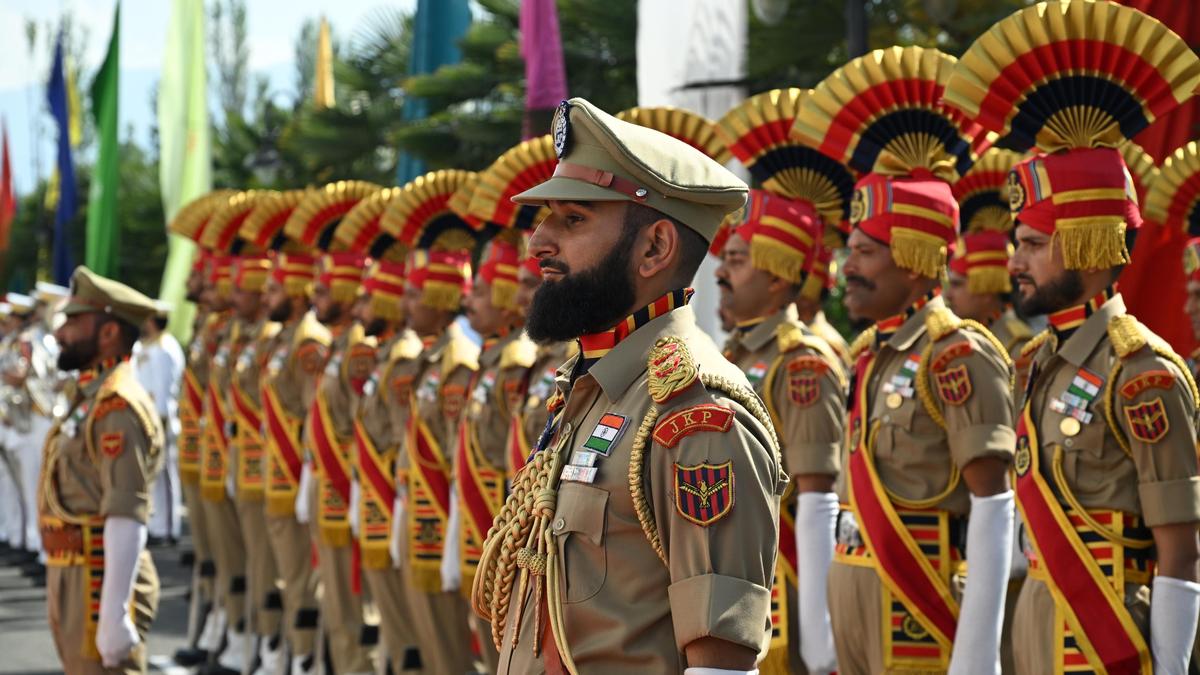
The Darbar Move is a biannual migration of Jammu and Kashmir's seat of power, a practice spanning over 150 years to its origins during the Dogra-era rule of the region. Under this system, the state administration, government offices, and bureaucratic machinery physically relocate between the winter capital of Jammu and the summer capital of Srinagar, typically shifting in spring and autumn.
Historically rooted in pre-modern administrative traditions, the Darbar Move reflects the region's geographical and climatic considerations. During the harsh winter months, the capital shifts to Jammu, located in the plains of the Tawi region, which remains accessible and operationally efficient. Conversely, as temperatures rise, the administrative headquarters relocates to Srinagar in the Kashmir Valley, where the cooler climate provides relief and was historically considered more conducive to governance.
The practice involves the relocation of multiple government departments, secretariat staff, and essential administrative infrastructure twice each year. This encompasses moving files, equipment, and personnel across regions separated by challenging terrain and varying weather conditions. The logistical and financial implications of maintaining this dual-capital system have periodically sparked debates among administrators and policymakers regarding its contemporary relevance and cost-effectiveness.
Despite modernization efforts and changing administrative practices across India, the Darbar Move remains embedded in Jammu and Kashmir's governance structure. The tradition represents a unique aspect of the union territory's administrative heritage, reflecting its distinctive history and geographical complexities that continue to influence how governance is conducted in the region.