Business · Bangladesh Bureau
Jamuna's Fresh Fish Market Faces Seasonal Challenges and Distribution Hurdles
Fishermen and traders along the Jamuna River struggle to maintain market viability for fresh catches as transportation delays and seasonal fluctuations impact profitability. The region's fishing communities face mounting pressure to modernize distribution networks.
LSN Bangladesh ·
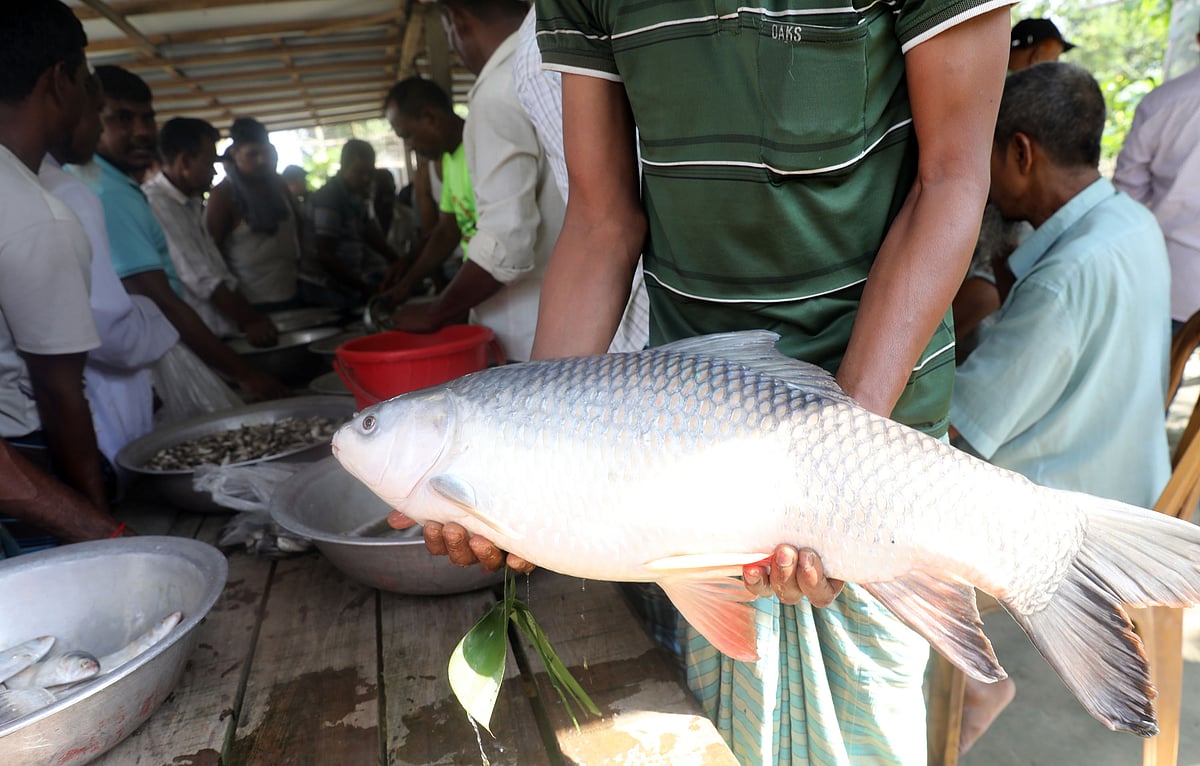
The fresh fish trade along Bangladesh's Jamuna River operates under significant time constraints, with merchants working against narrow windows to move their catch from water to market. Seasonal variations in fish availability compound the difficulties, creating periods of feast and famine that destabilize both supply chains and income for fishing families dependent on these waters.
Transportation remains a critical bottleneck in the supply chain. The distance between fishing communities and major urban markets, coupled with inadequate cold storage facilities, means many fish deteriorate before reaching consumers. Traders report substantial losses during peak seasons when supply exceeds immediate demand and distribution capacity.
Local fishermen and small-scale traders lack the infrastructure investment necessary to extend their market reach. Without refrigeration units or reliable transport networks, they remain confined to nearby regional markets where competition is intense and prices fluctuate dramatically based on daily catch volumes.
Stakeholders in the Jamuna fishing industry acknowledge that infrastructure development—particularly cold chain logistics and transportation improvements—could unlock greater market stability. However, limited access to credit and government support has left many operators unable to make such investments, perpetuating cycles of seasonal instability that define the region's fish trade.