World · India Bureau
Janmashtami 2026 free from Bhadra and Panchak doshas
Krishna Janmashtami in 2026 will not be affected by Bhadra and Panchak doshas, making it an auspicious occasion for devotees. Astrologers have identified the precise timings for worship, midnight hour, and other ritual observances.
LSN India ·
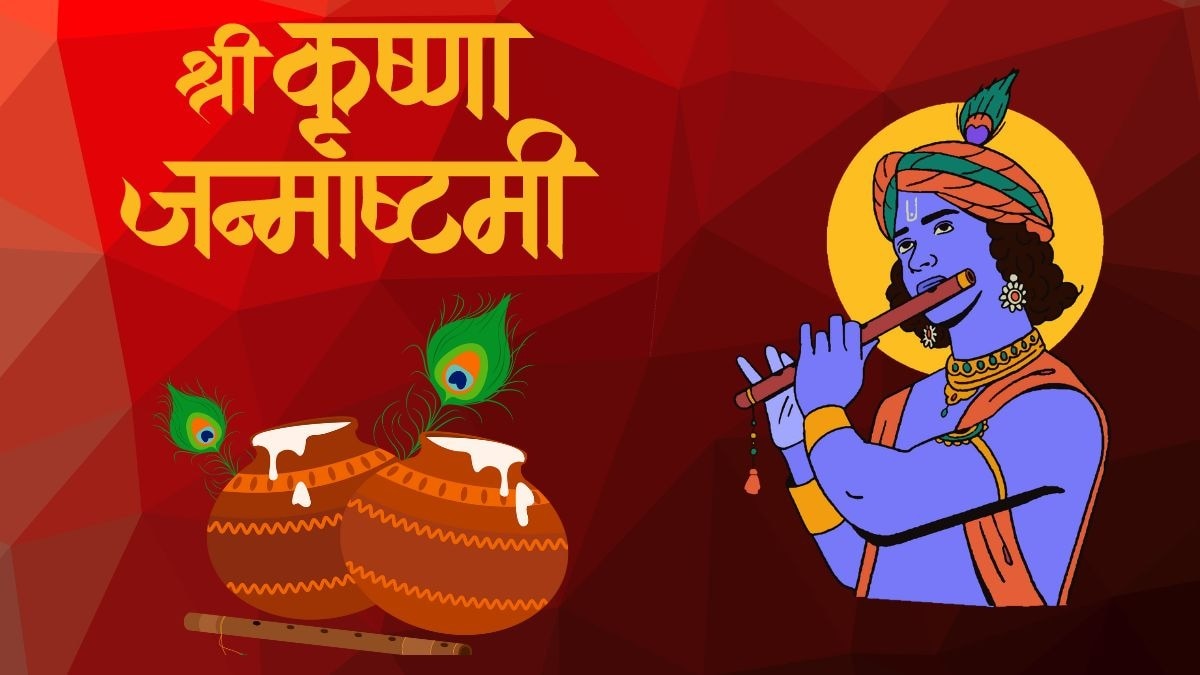
Krishna Janmashtami, celebrated on the eighth day of the dark fortnight in the month of Bhadrapad, will present favourable astrological conditions in 2026. The absence of Bhadra and Panchak doshas—considered inauspicious planetary configurations—will allow devotees to perform rituals without astrological impediments.
According to traditional Hindu lunar calendars, Bhadra is regarded as an unfavourable period that typically restricts auspicious activities. Panchak, a five-day period associated with specific lunar positions, is also traditionally avoided for certain ceremonies. The 2026 observance will be unaffected by these constraints, making it particularly significant for worshippers.
Devotees are advised to note the precise timings for worship, including the Nishita Kaal—the midnight hour considered most propitious for Krishna's worship. The Raahu Kaal, a period traditionally avoided for beginning auspicious activities, will also be relevant for planning observances and ritual schedules.
Fasting and feasting rituals, known as Vrat and Paran respectively, hold central importance to Janmashtami celebrations across India. Worshippers typically observe fasts and break them at specific auspicious moments determined by astronomical calculations. The clear astrological alignment in 2026 is expected to enhance the spiritual significance of these observances for millions of devotees nationwide.