World · India Bureau
Jantar Mantar loses ground as Delhi's premier protest venue
The iconic road adjacent to Jantar Mantar has long served as Delhi's de facto public forum for citizen grievances. Changing regulations and urban dynamics are reshaping its role in the capital's protest landscape.
LSN India ·
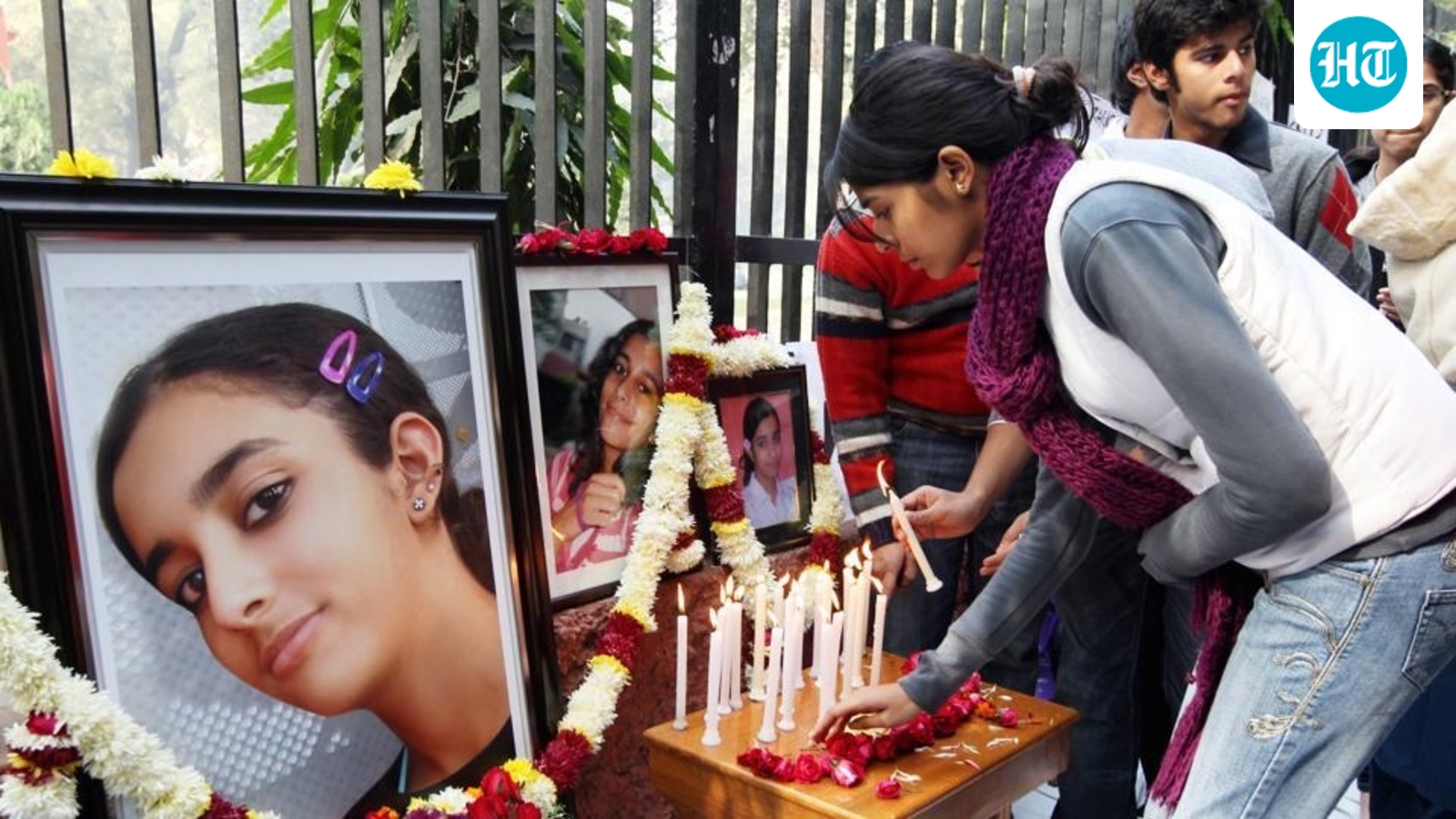
For decades, the stretch of road alongside Jantar Mantar has functioned as an open-air parliament where citizens gathered to voice dissent and demand accountability from authorities. Built originally as an 18th-century astronomical observation site, the monument's surroundings evolved into a spontaneous space for public demonstration, hosting everything from farmers' protests to civil rights campaigns.
The location's significance lay in its proximity to power—situated near key government offices and institutions, making it impossible for policymakers to ignore demonstrations held there. Activists chose Jantar Mantar precisely for this reason: visibility and accessibility combined with historical resonance.
Recent years have witnessed shifts in Delhi's protest ecology. New regulations governing public assembly, increased security protocols, and the development of alternative protest sites across the city have fragmented the concentration of demonstrations that once defined Jantar Mantar. Many activist groups now organize at multiple locations simultaneously, diluting the venue's traditional monopoly on high-profile campaigns.
Urban planners and civil society observers note that while Jantar Mantar retains symbolic importance, it no longer commands the protest map as it once did. The transformation reflects broader changes in how Delhi's citizens mobilize around shared concerns, even as the monument's historical association with dissent remains etched in the city's collective memory.