Politics · India Bureau
Jantar Mantar loses protest site status after decade as Delhi's rallying point
Delhi's iconic Jantar Mantar has been denotified as a designated demonstration site, ending its run as the capital's primary venue for free public protests. The move comes despite the location recording over 600 demonstrations in the past ten years.
LSN India ·
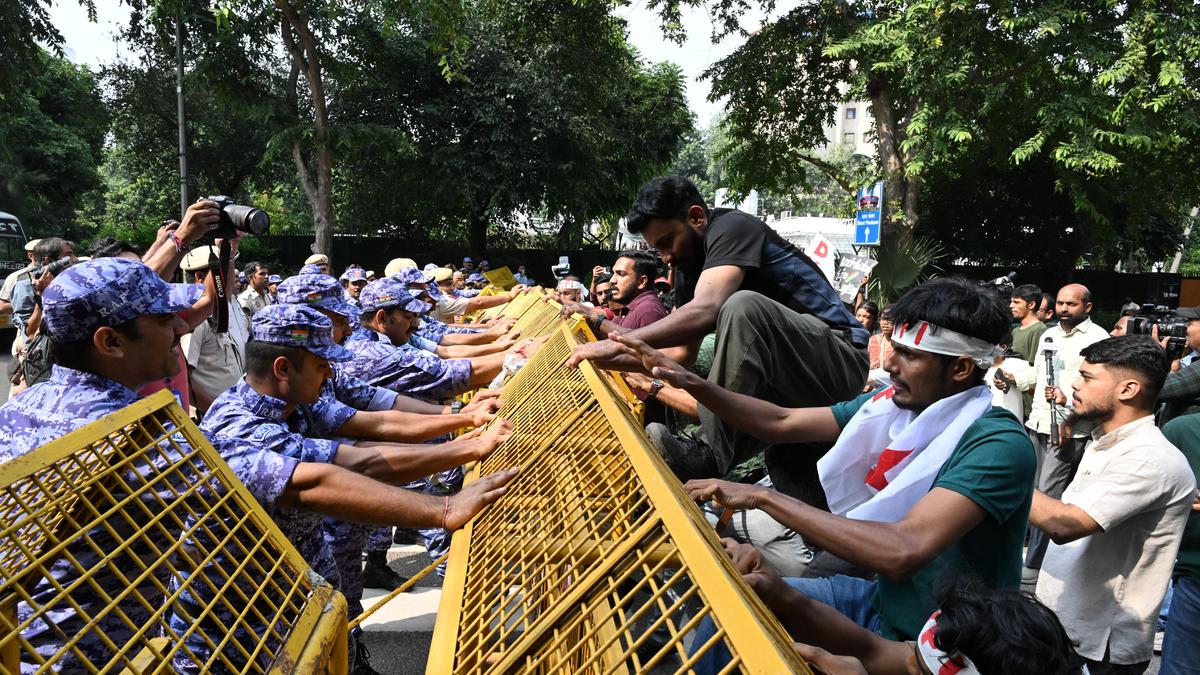
Jantar Mantar, the 18th-century astronomical monument in central Delhi, has been stripped of its official status as a protest site, marking the end of an era for one of India's most recognizable venues for political dissent and public expression. The denotification occurred during what data shows was the site's second busiest year since 2016, underscoring the timing of the administrative decision.
Over the past decade, Jantar Mantar established itself as the de facto gathering point for demonstrations of all sizes, hosting over 600 protests without charge. Its proximity to Parliament House and central location made it an accessible platform for diverse groups seeking to amplify their voices—from farmer organizations to student activists to civil society groups.
The loss of Jantar Mantar as a designated protest venue presents logistical challenges for demonstrators. Alternative sites approved for public gatherings come with financial constraints and are situated farther from the seat of government, potentially limiting accessibility and reducing the symbolic impact of protests. Newer designated demonstration areas lack the historical significance and established infrastructure that made Jantar Mantar a favored venue.
The denotification raises questions about the future landscape for public protest in Delhi and whether demonstrators will adapt to the new constraints or seek legal recourse regarding the decision. Civil liberties advocates have historically viewed Jantar Mantar's accessibility as crucial to ensuring all sections of society can effectively engage in democratic dissent.