World · India Bureau
Jantar Mantar: Where astronomy met history in 18th-century Delhi
Built by Maharaja Jai Singh II in the early 1700s, Delhi's Jantar Mantar observatory represents a remarkable fusion of astronomical precision and architectural innovation. The site remains a testament to pre-modern India's scientific achievements and its pivotal role in the subcontinent's political discourse.
LSN India ·
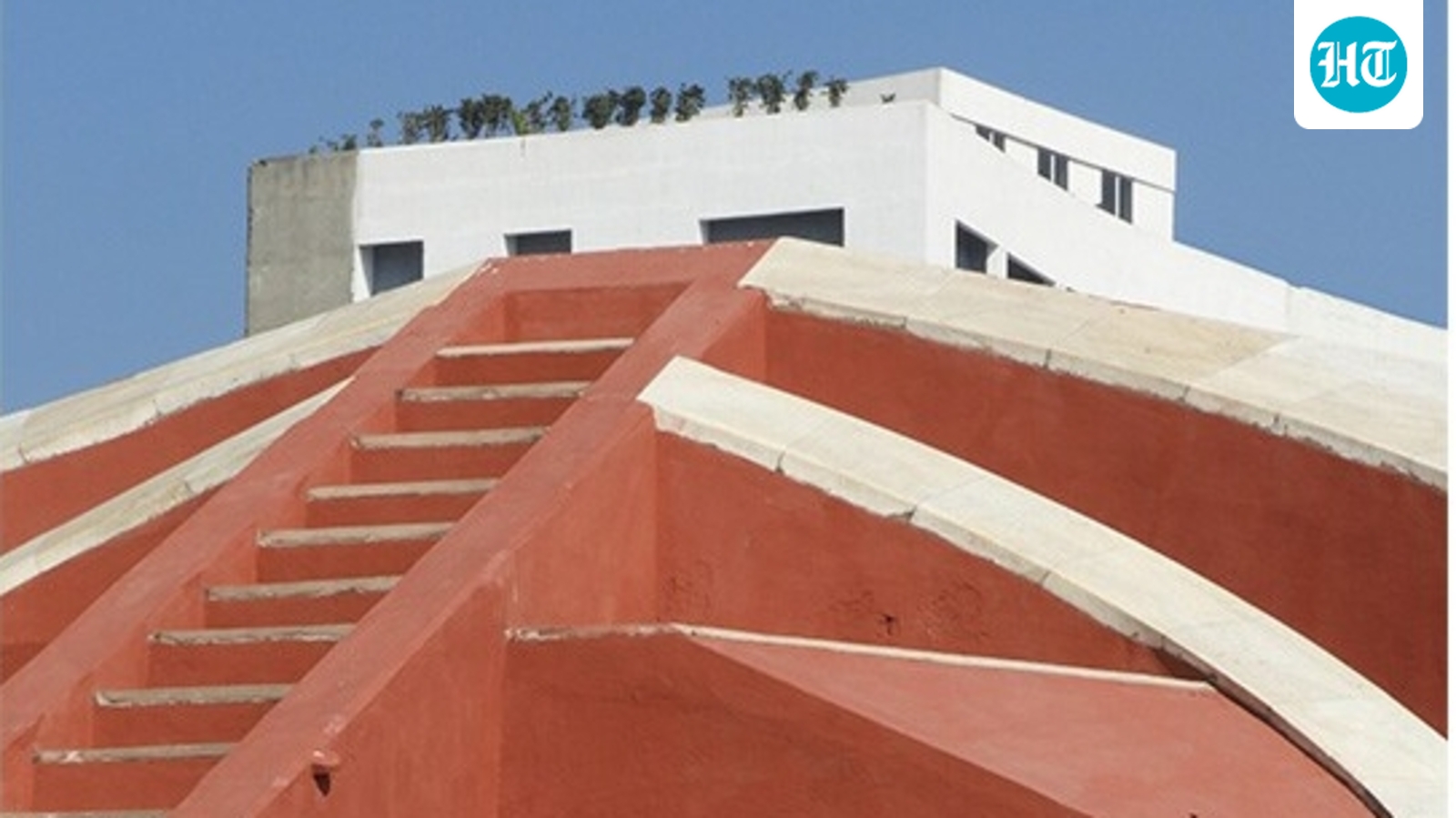
Jantar Mantar, located in central Delhi, stands as one of India's most significant historical monuments, reflecting the astronomical pursuits and scientific ambitions of its founder, Maharaja Jai Singh II. The Rajasthani ruler, who also established observatories in Jaipur, Ujjain, Varanasi, and Mathura, designed this complex structure to achieve unprecedented accuracy in celestial observations and calculations.
The observatory's distinctive architecture showcases Jai Singh's commitment to scientific advancement during the Mughal era. Initially, the maharaja employed brass instruments, including astrolabes, which represented the existing technological standards of the period. However, his pursuit of greater precision led to the development of larger, stationary stone and marble instruments that could provide more accurate measurements of planetary movements and stellar positions.
Beyond its scientific significance, Jantar Mantar evolved into a witness to India's modern history. The site became a focal point during India's independence movement, hosting political gatherings and protests that shaped the nation's path to freedom. Today, the monument serves as a UNESCO World Heritage Site, attracting scholars, historians, and tourists interested in both astronomy and Indian heritage.
The instruments at Jantar Mantar, though centuries old, demonstrate the sophisticated understanding of mathematics and engineering possessed by pre-modern Indian astronomers. The site continues to inspire scientific curiosity and remains a proud symbol of India's contributions to global astronomical knowledge.