Politics · Singapore Bureau
Japan charts new defence course amid regional security shifts
Japan is recalibrating its defence posture by building partnerships across the Indo-Pacific, seeking to balance rising tensions without abandoning its pacifist traditions. Defence Minister Shinjiro Koizumi is steering Tokyo toward a middle-power strategy aimed at stabilizing the region.
LSN Singapore ·
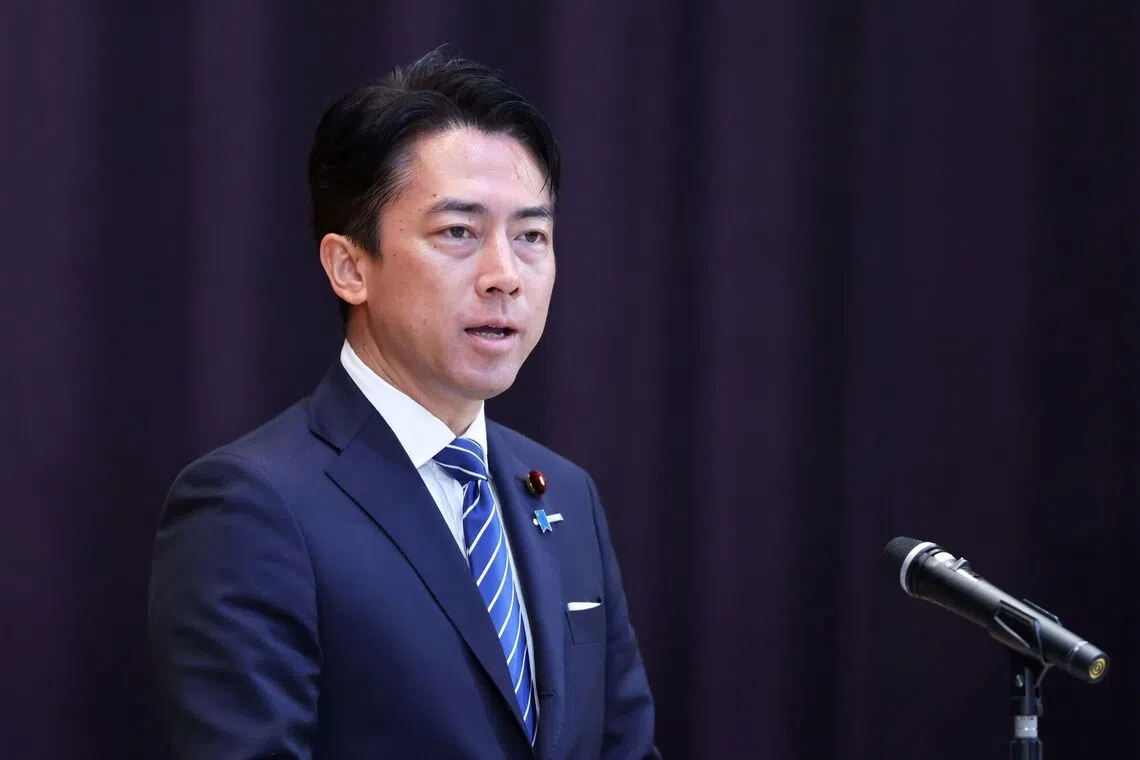
Japan is fundamentally reshaping its defence approach, moving beyond its post-World War II constraints to establish a more proactive security architecture across Asia-Pacific. Defence Minister Shinjiro Koizumi is spearheading this shift, advocating for expanded military capabilities and deeper defence partnerships with like-minded nations. The strategy reflects Tokyo's response to accelerating geopolitical instability, including tensions over Taiwan, China's military expansion, and North Korea's weapons development.
Rather than pursuing unilateral military buildup, Japan is positioning itself as a linchpin connecting security networks across the region. This approach emphasizes deepening ties with traditional allies such as the United States and Australia while expanding engagement with Southeast Asian nations concerned about regional stability. The strategy seeks to create a counterbalance to Beijing's growing assertiveness without triggering an open arms race.
Koizumi's tenure reflects generational change in Tokyo's security thinking. The younger generation of Japanese policymakers views the post-Cold War regional order as increasingly untenable, particularly given China's economic and military rise. However, Japan remains constrained by domestic pacifist sentiment and constitutional limitations, necessitating a calibrated approach that emphasizes defensive partnerships and technology-sharing arrangements.
The middle-power strategy carries implications for Southeast Asia, where nations navigate competing pressures from Beijing and Washington. Japan's emphasis on multilateral defence cooperation offers an alternative framework—one that respects regional autonomy while building collective deterrence. As regional volatility persists, Tokyo's evolving defence posture will likely shape alliance dynamics throughout the Indo-Pacific for years to come.