Politics · World News Bureau
Japan considers tax incentives to boost retail government bond sales
Tokyo is exploring tax benefits for individual investors purchasing government bonds as policymakers seek to widen the domestic investor base and reduce reliance on institutional buyers. The move reflects growing concerns about Japan's fiscal sustainability and the need to stabilize bond markets.
LSN World News ·
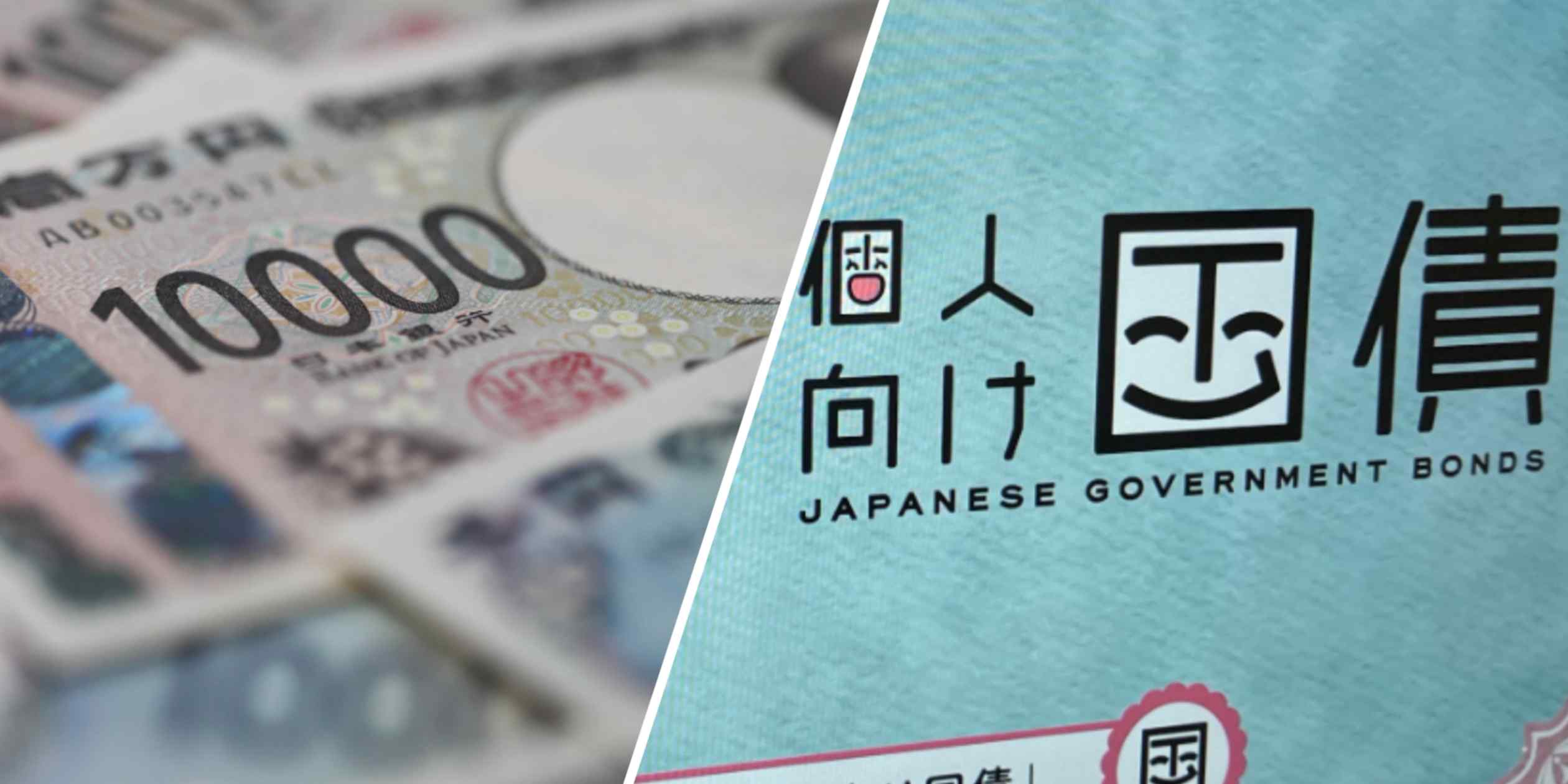
Japan's government is examining potential tax advantages for retail investors who purchase government bonds directly, according to reports from Tokyo's financial policy circles. The initiative aims to encourage ordinary citizens to hold longer-term debt securities while reducing the concentration of bond ownership among institutional investors and the Bank of Japan.
The proposal comes as Japanese policymakers grapple with the country's substantial public debt burden, which exceeds 250 percent of gross domestic product. By broadening the retail investor base for government bonds, officials hope to create a more stable funding foundation for state finances and decrease vulnerability to sudden shifts in institutional investment flows.
Tax incentive structures under consideration would likely target individual purchasers of medium and longer-dated bonds, potentially offering exemptions or reductions on interest income taxation. Such measures have been employed by other developed economies seeking to deepen their domestic bond markets and reduce dependence on foreign capital flows.
Implementing retail-focused bond programs would also align with Japan's broader financial inclusion objectives, allowing households to diversify their savings beyond traditional bank deposits and equity investments. Officials are expected to weigh implementation timelines and fiscal costs as part of the ongoing policy review process.