World · World News Bureau
Japan develops regulatory framework for fully autonomous vehicles
Japanese authorities are establishing safety standards and operational guidelines for self-driving cars equipped without traditional steering wheels, marking a significant step toward autonomous vehicle deployment on public roads.
LSN World News ·
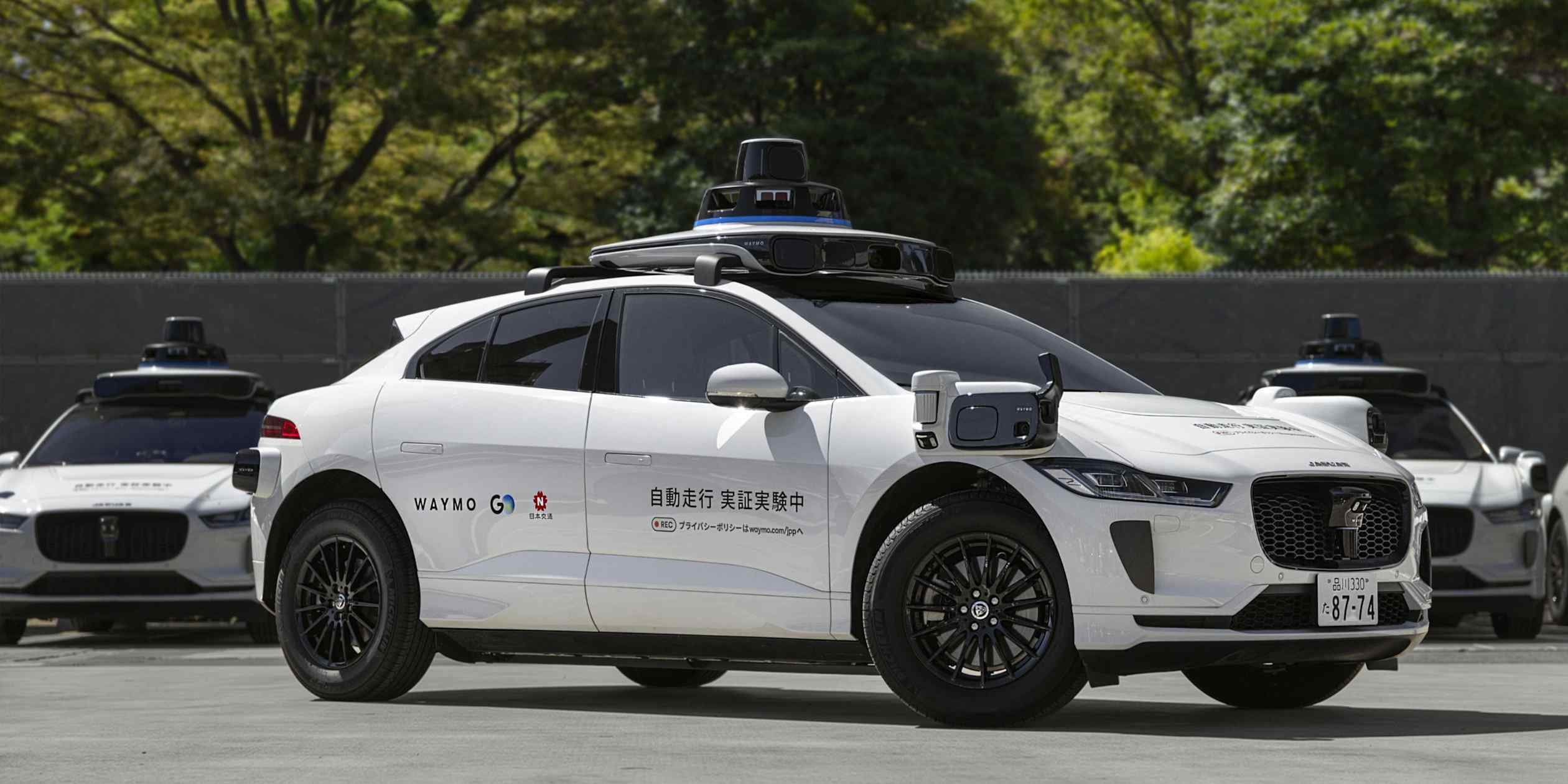
Japan's transport ministry is developing comprehensive regulations to govern the use of fully autonomous vehicles that lack manual driving controls, responding to technological advances in driverless car technology. The move reflects growing momentum in the automotive sector toward vehicles capable of operating independently without human intervention or steering mechanisms.
The regulatory framework will address critical safety requirements, testing protocols, and operational limitations for autonomous vehicles without conventional steering wheels. Authorities are examining questions of vehicle certification, driver responsibilities, liability frameworks, and real-world deployment conditions that such vehicles would encounter on Japanese roads.
The initiative positions Japan among leading nations establishing formal guidelines for next-generation autonomous vehicles. As manufacturers worldwide accelerate development of fully driverless technologies, regulators face mounting pressure to create clear standards that balance innovation with public safety concerns.
Successful implementation of these regulations could pave the way for broader commercial deployment of autonomous vehicles in Japan, potentially transforming urban transportation and logistics sectors. The framework is expected to inform discussions among other Asian nations considering similar regulatory approaches to emerging autonomous vehicle technologies.