Politics · Singapore Bureau
Japan enters wage-driven inflation phase, finance minister signals
Japan's government has indicated the economy is transitioning into a new inflationary phase driven by rising wages, following the Bank of Japan's recent rate hike to a 31-year peak. The shift marks a significant development in Japan's long struggle against deflation.
LSN Singapore ·
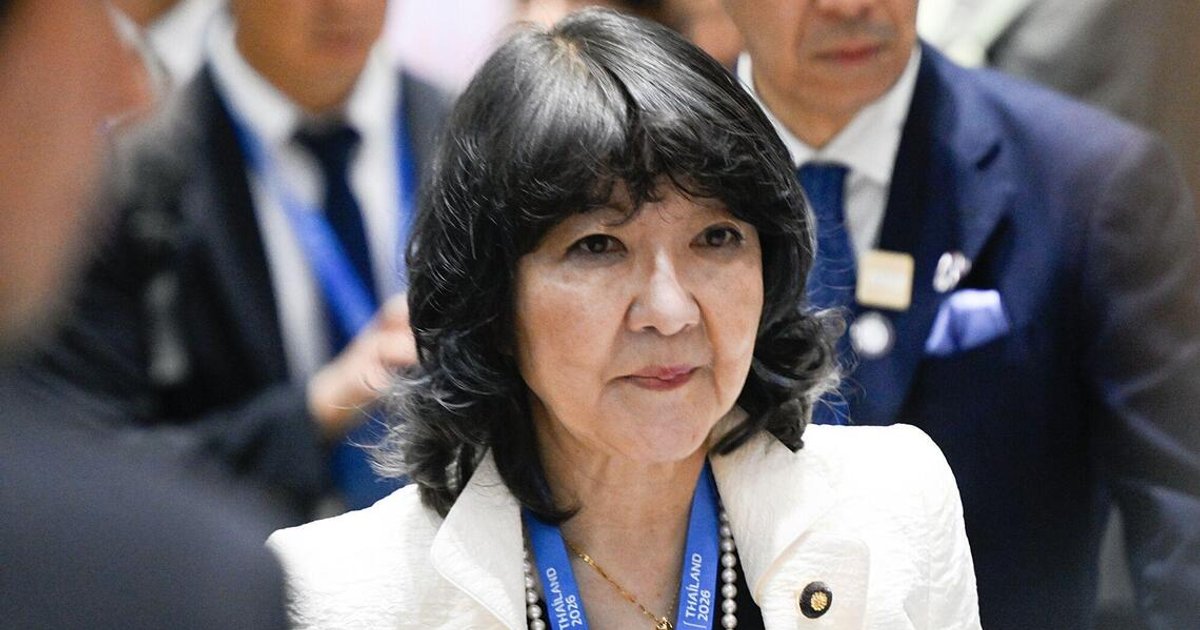
Japan's finance minister has characterized the nation's economy as entering a wage-driven inflation phase, reflecting changing economic dynamics in the world's third-largest economy. The assessment follows the Bank of Japan's decision in September to raise its benchmark interest rate to 1.25 per cent, the highest level since 1995.
The central bank's rate increase represents a notable tightening of monetary policy after years of accommodative measures aimed at stimulating growth. The move signals growing confidence that inflation pressures are becoming entrenched in the economy, rather than remaining transitory.
Wage-driven inflation occurs when rising employee compensation leads to increased consumer spending and higher prices across the economy. For Japan, historically plagued by deflationary pressures and stagnant wages, this development represents a potentially significant turning point in economic management.
The finance ministry's comments suggest policymakers view the current inflation environment as sufficiently persistent to warrant a shift in economic thinking. If sustained wage growth continues, it could reshape Japan's inflation trajectory and influence future monetary and fiscal policy decisions.
The transition to wage-driven inflation has implications for regional economies, including potential ripple effects through supply chains and trade relationships across Asia-Pacific.