World · Singapore Bureau
Japan faces diplomatic tightrope over US sanctions on ICC chief
Tokyo must navigate competing commitments to international law and its alliance with Washington after the United States sanctioned the International Criminal Court's prosecutor. The situation tests Japan's stated support for rules-based order in the Indo-Pacific.
LSN Singapore ·
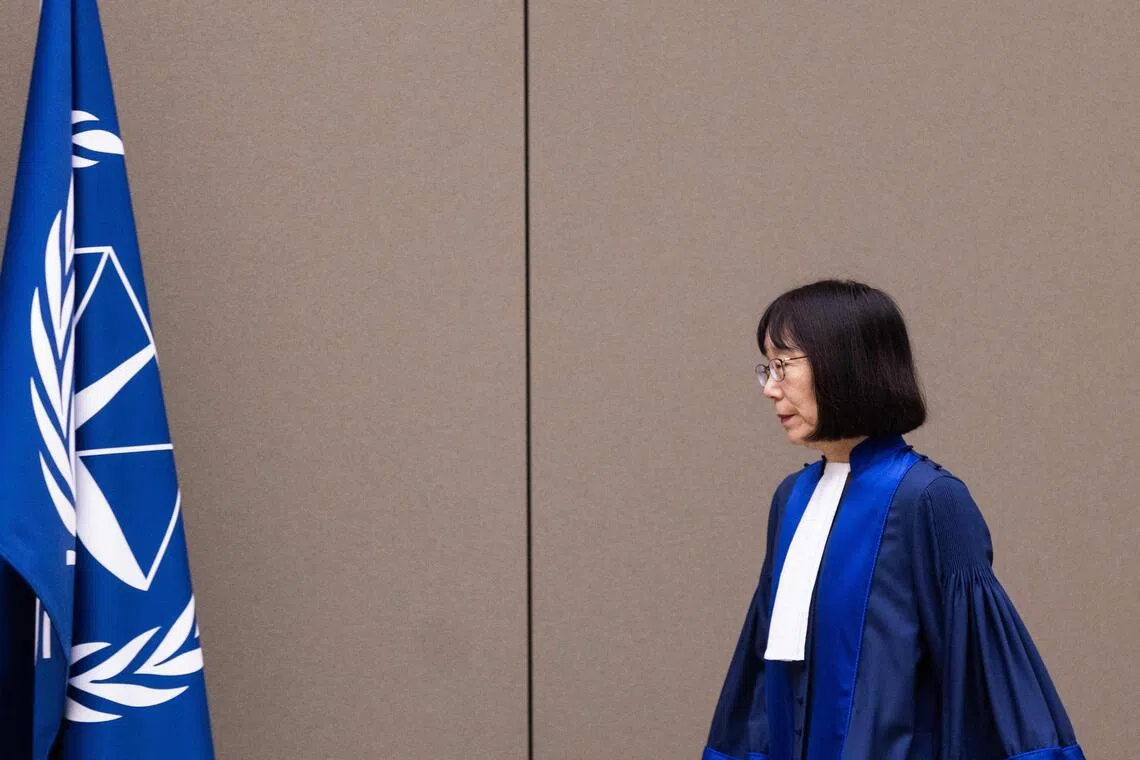
Japan finds itself in a delicate diplomatic position following US sanctions against International Criminal Court (ICC) chief Karim Khan, forcing Tokyo to balance its championing of multilateral institutions with its strategic alliance with Washington.
The sanctions, imposed over Khan's investigations into situations involving American personnel and allies, directly challenge the principle of an independent international judiciary that Japan has publicly supported. As a signatory to the Rome Statute and advocate for strengthening global legal frameworks, Japan has previously emphasized the importance of respecting international institutions and the rules-based order it promotes throughout the Indo-Pacific region.
However, Japan's security posture heavily depends on its alliance with the United States, particularly amid rising regional tensions and China's growing assertiveness. This creates a fundamental tension between upholding institutional independence and maintaining a critical security partnership that underpins Tokyo's strategic interests.
Japanese officials have thus far offered measured responses, avoiding direct criticism of American actions while affirming their commitment to the ICC as an institution. The approach reflects Tokyo's traditional diplomatic strategy of managing alliance relationships while preserving its international credibility.
The situation underscores the broader challenge facing Japan and other US-aligned democracies in maintaining support for international legal mechanisms when major powers prioritize their interests over institutional autonomy. How Tokyo navigates this dilemma may signal its willingness to act independently on matters of principle when stakes conflict with strategic alliances.