World · Singapore Bureau
Japan, India wary as Trump courts China with talk of G-2 partnership
Regional powers express concern over the U.S. president's diplomatic overtures toward Beijing, fearing a bilateral arrangement could sideline Asian allies. The emerging dynamic threatens to reshape geopolitical alignments across the Indo-Pacific.
LSN Singapore ·
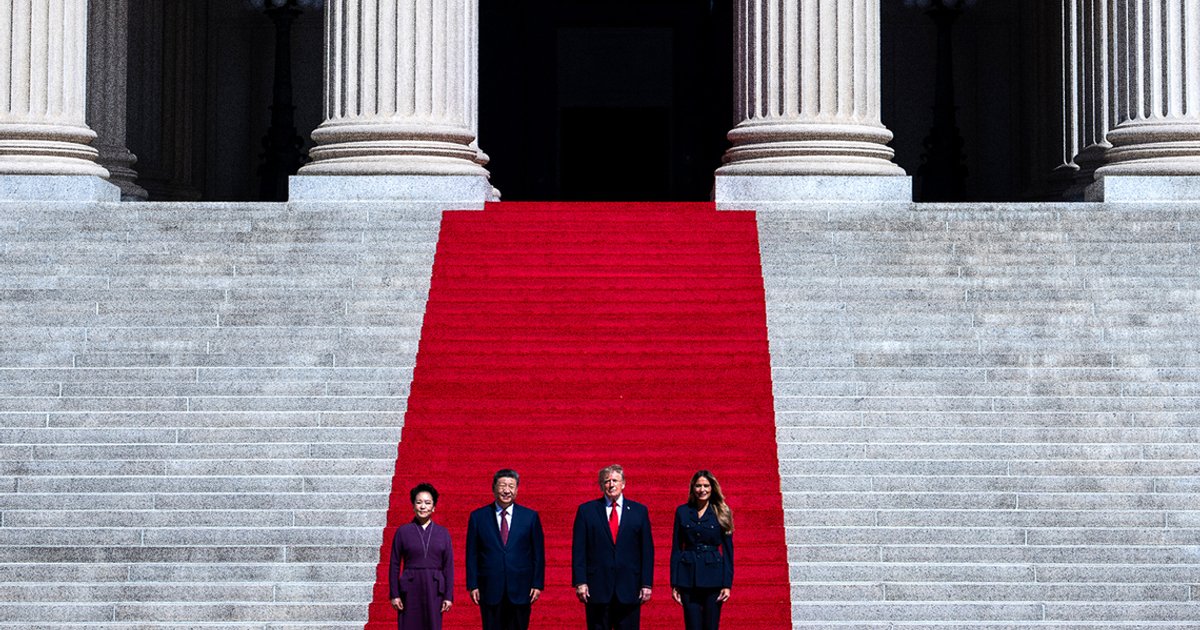
Japan and India have expressed disquiet over recent diplomatic signals from the Trump administration toward China, particularly discussions of a potential two-power arrangement between Washington and Beijing. The high-profile engagement, characterized by warmer rhetoric and talk of closer U.S.-China cooperation, has prompted anxiety among key Asian middle powers about their strategic standing in a reconfigured regional order.
Tokyo and New Delhi have long positioned themselves as crucial counterweights to Chinese influence in the Indo-Pacific, anchoring multilateral partnerships including the Quad framework alongside the United States and Australia. The prospect of a U.S.-China bilateral arrangement risks undermining these carefully constructed coalitions and raising questions about Washington's commitment to existing regional partnerships.
Both nations have signaled concern that exclusive great-power diplomacy could marginalise their interests and reduce their influence in shaping regional security architecture. The developments come at a sensitive juncture for Asian geopolitics, with ongoing tensions over maritime disputes, trade arrangements, and military modernisation already straining regional stability.
Diplomatic observers suggest that clarification from Washington regarding its commitment to existing alliances will be crucial in steadying nerves among regional partners. The balance of great-power engagement in Asia remains in flux, with implications extending well beyond bilateral relationships to affect the broader Indo-Pacific strategic landscape.