World · Singapore Bureau
Japan launches ambitious round-trip mission to Mars moon Phobos
Japan's space agency is preparing to send a spacecraft to collect samples from Phobos, a small moon orbiting Mars. The pioneering mission aims to advance scientific understanding and support future human exploration of the Red Planet.
LSN Singapore ·
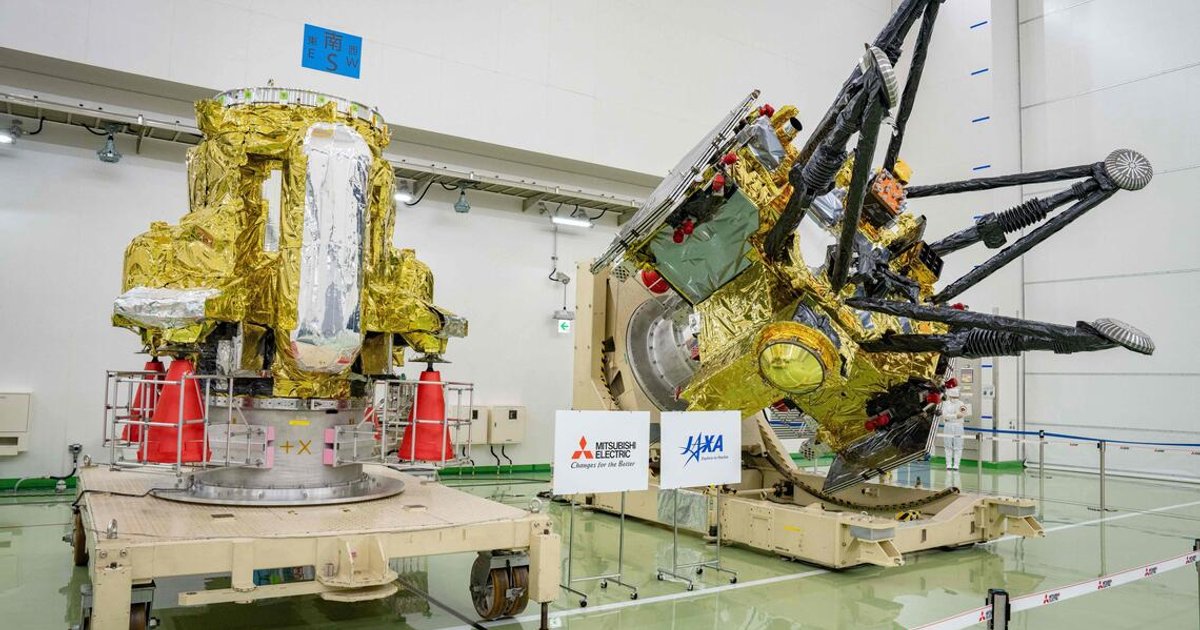
Japan is set to undertake one of the most complex space missions in its history, targeting Phobos, the larger of Mars' two moons. The Japanese Aerospace Exploration Agency (JAXA) will dispatch a spacecraft designed to orbit Mars, land on Phobos, collect geological samples, and return them to Earth for detailed analysis. This round-trip venture represents a significant step in planetary exploration technology and methodology.
Phobos, measuring only about 22 kilometres across, presents considerable technical challenges for spacecraft operations. The low-gravity environment and irregular shape of the Martian moon require sophisticated navigation and landing systems. Scientists believe samples from Phobos could provide crucial insights into the formation of the Martian system and potentially reveal information about the distribution of water and organic compounds in the inner solar system.
Beyond its immediate scientific objectives, the mission carries broader implications for space exploration. By successfully executing a sample-return mission from Mars' orbit, Japan and its international partners aim to demonstrate technologies and operational procedures essential for human missions to Mars. The data and experience gained will inform future crewed exploration strategies, including potential landing sites and resource availability on the Martian surface.
The mission reflects Japan's growing capabilities in deep-space exploration and its commitment to collaborative international space research. Success would position Japan among an elite group of nations capable of executing complex interplanetary missions, while advancing humanity's understanding of Mars and its environment.