World · World News Bureau
Japan pursues advanced iPS cell therapy for stroke and kidney disease
Japanese researchers are advancing next-generation induced pluripotent stem cell technology to create treatments for stroke and kidney failure. The initiative aims to translate laboratory breakthroughs into clinical applications for previously difficult-to-treat conditions.
LSN World News ·
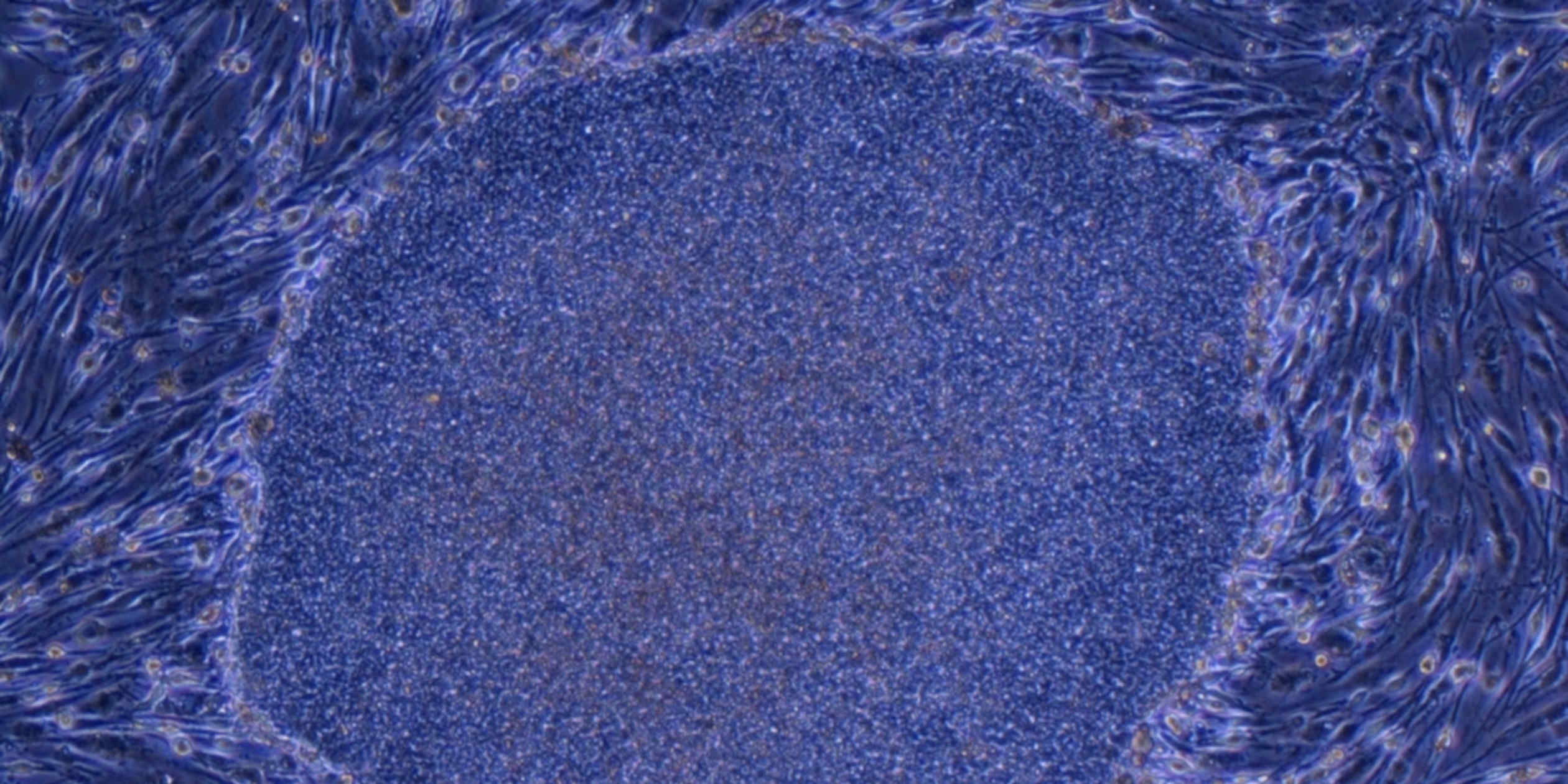
Japan is intensifying efforts to develop cutting-edge iPS cell therapies targeting two major health conditions that affect millions globally. The research program focuses on harnessing induced pluripotent stem cells—adult cells reprogrammed to an embryonic-like state—to regenerate damaged tissue in stroke patients and those suffering from kidney failure.
The initiative builds on Japan's established leadership in stem cell research, an area that has garnered international recognition and investment. By refining techniques to generate and differentiate iPS cells with greater precision, researchers aim to overcome current obstacles in translating laboratory findings into viable medical treatments.
Stroke and chronic kidney disease represent significant burdens on healthcare systems across Asia and globally. Current therapeutic options remain limited, particularly for patients with severe organ damage. iPS cell-based approaches could potentially offer regenerative solutions by replacing damaged neurons or kidney tissue with healthy, functioning cells derived from the patient's own tissue.
The development of next-generation iPS cell technologies requires advances in cell quality control, safety protocols, and clinical delivery mechanisms. Japanese institutions and pharmaceutical companies are collaborating to accelerate the pathway from basic research to human trials, with the goal of bringing these therapies to patients within the coming years.