Business · World News Bureau
Japan's 3% Yield Threshold Tests Economic Policy Under New Leadership
Rising bond yields in Japan are forcing policymakers to reconsider fiscal spending plans as the Bank of Japan signals a shift away from ultra-loose monetary policy. The development presents a critical test for incoming leadership navigating inflation concerns and budgetary constraints.
LSN World News ·
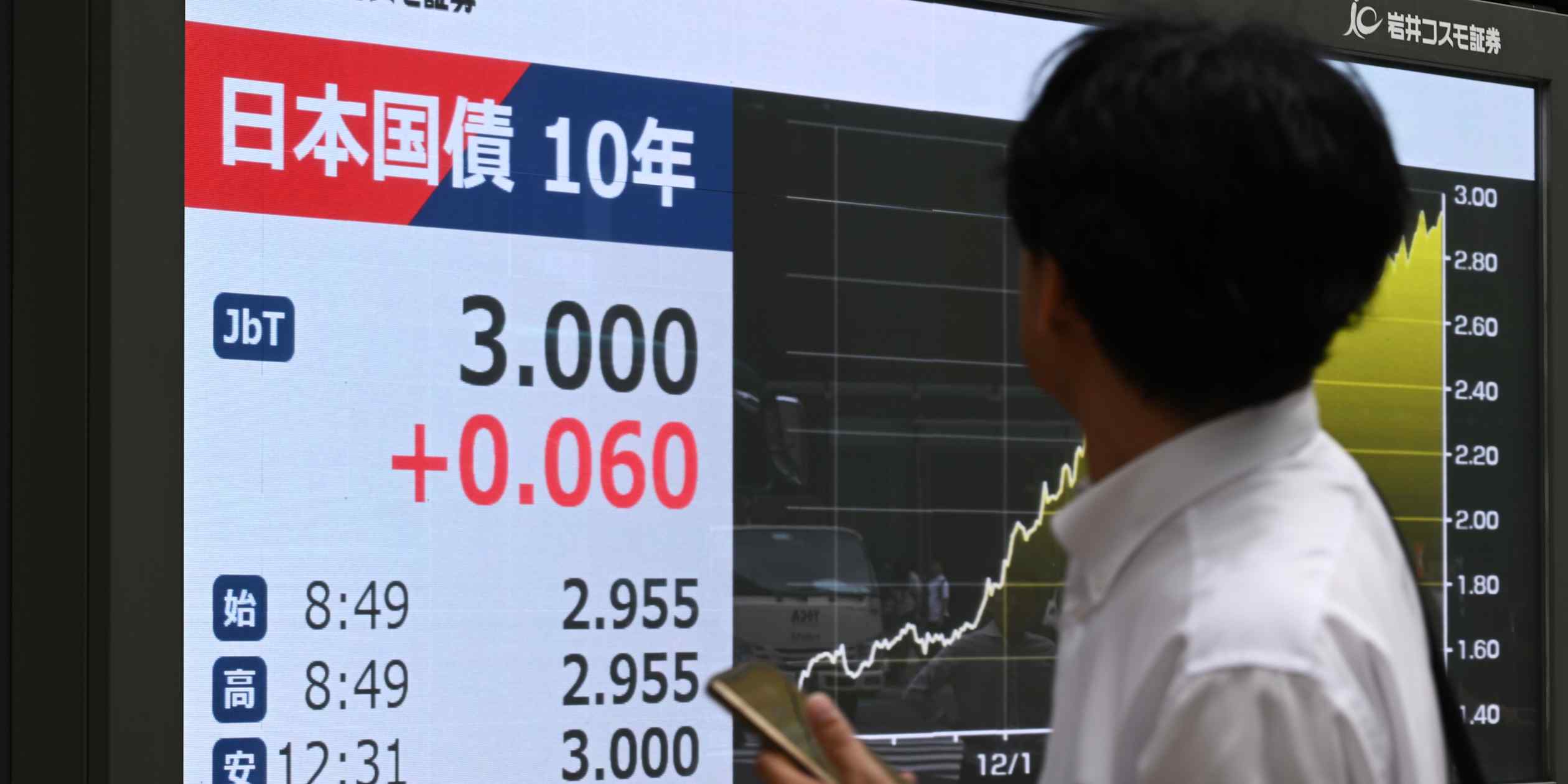
Japan's government bond yields have approached the 3 percent level for the first time in years, marking a significant inflection point for an economy long accustomed to near-zero rates. The shift reflects changing market expectations about the Bank of Japan's monetary stance and comes as inflation pressures persist in the world's third-largest economy.
The yield movement carries immediate implications for fiscal planning. Higher borrowing costs threaten to make government spending more expensive at a time when policymakers are considering expansionary measures. This dynamic has created tension between those advocating for increased public investment and fiscal conservatives concerned about Japan's already-substantial debt levels.
Policymakers including Finance Minister Shigeru Ishiba face a balancing act. Elevated yields could constrain ambitions for major spending initiatives while also signaling market confidence in Japan's economic trajectory. The Bank of Japan's continued gradual policy normalization suggests yields may rise further, potentially reshaping the contours of fiscal debate in coming months.
Business leaders are monitoring the situation closely, as higher financing costs could dampen corporate investment and consumer spending through increased lending rates. The outcome of this policy transition will likely shape Japan's economic performance through the next political cycle and test the credibility of new leadership tasked with managing both growth and fiscal sustainability.