World · World News Bureau
Japan's Currency Shifts as Yen Weakens Against Major Peers
The Japanese yen is experiencing significant depreciation against the US dollar and other major currencies, marking a substantial rebalancing of forex markets. The movement reflects broader shifts in monetary policy differentials and capital flows across Asia-Pacific economies.
LSN World News ·
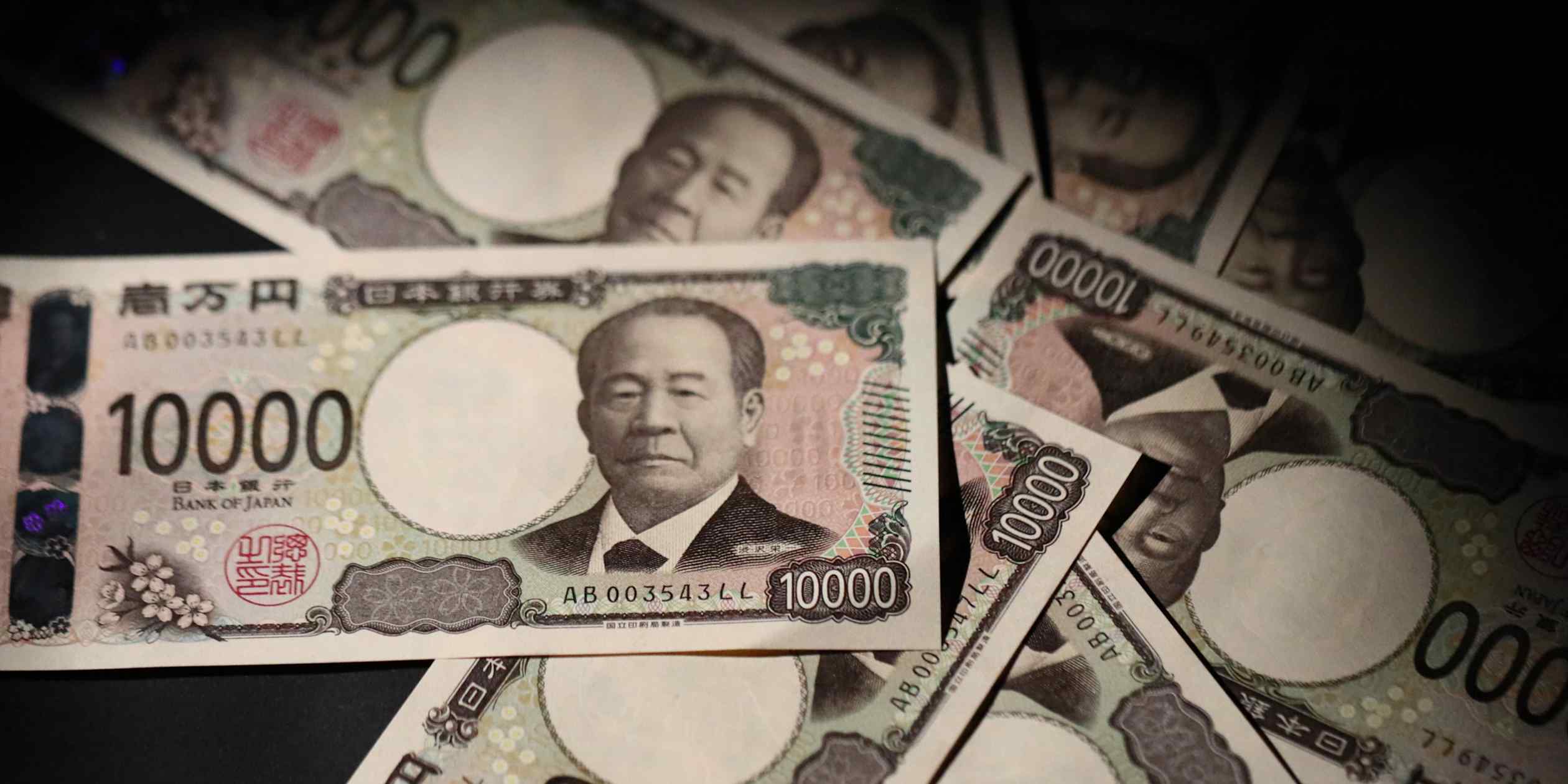
The yen has weakened considerably in recent trading sessions, extending declines that have accumulated over recent months as interest rate differentials between Japan and other major economies continue to widen. The currency has fallen to multi-year lows against the US dollar, prompting renewed focus on the Bank of Japan's ultra-loose monetary policy stance relative to the Federal Reserve's more hawkish approach.
Analysts attribute the yen's depreciation to sustained capital outflows as Japanese investors seek higher yields in foreign markets, a trend that has accelerated as global interest rates have risen. The currency's weakness has also reflected safe-haven demand for the dollar amid persistent geopolitical tensions and economic uncertainty across global markets.
The depreciation carries significant implications for Japan's export-dependent economy. While a weaker yen traditionally supports exporters by making Japanese goods more competitive internationally, the currency movement has raised concerns about import inflation and the costs of overseas commodities for Japanese businesses and consumers.
Currency market participants are closely monitoring signals from Japanese policymakers regarding potential adjustments to monetary policy. Any hints of rate increases or policy normalization from the Bank of Japan could trigger rapid yen appreciation, given the degree of depreciation already priced into current market valuations.
The yen's rebalancing reflects broader currency market dynamics as central banks navigate divergent economic conditions and inflation pressures across developed economies, with implications extending throughout the Asia-Pacific region.