World · Singapore Bureau
Japan's deep-sea rare earth mining could reshape global supply chains
Japan is developing deep-ocean mining capabilities to extract rare earth elements and reduce its dependence on Chinese supplies. The move signals a broader shift among developed economies seeking greater resource security.
LSN Singapore ·
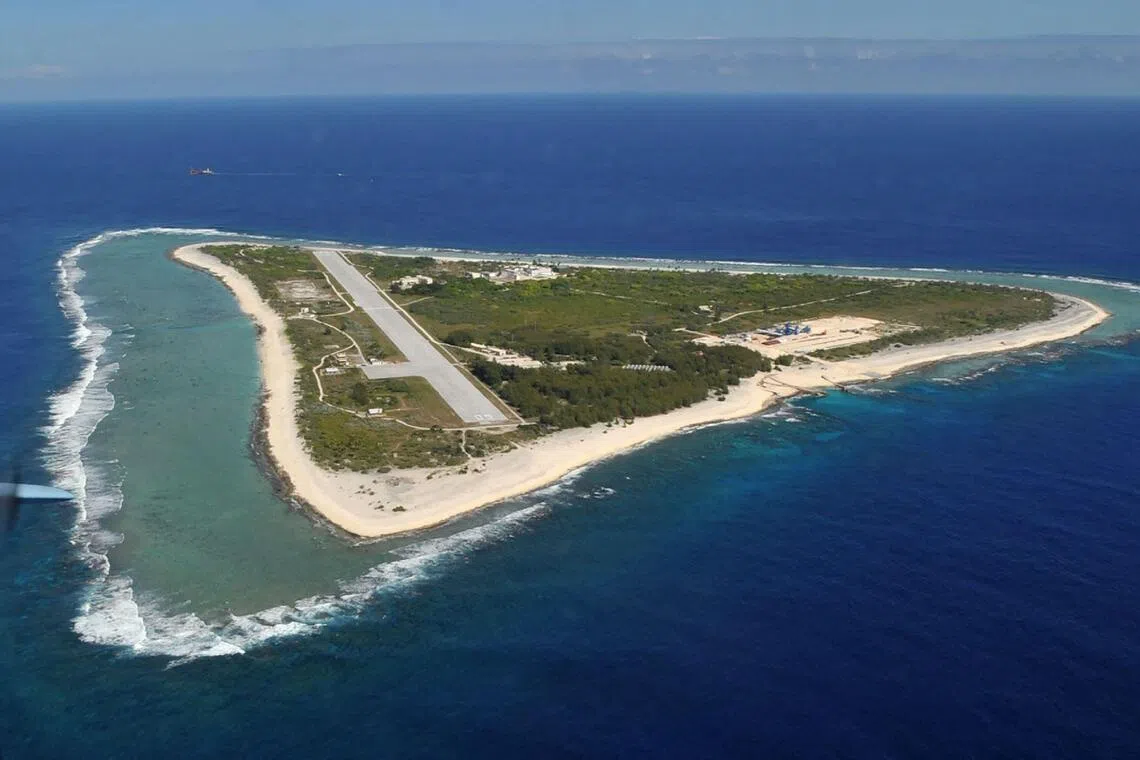
Japan is advancing its deep-sea mining operations in the Pacific Ocean as part of a strategic effort to secure supplies of rare earth elements critical to modern technology and defence systems. The initiative reflects growing concerns among regional economies about over-reliance on Chinese sources, which currently dominate global rare earth production and processing.
Rare earth elements are essential components in electronics, renewable energy technologies, and military equipment. China's control over the supply chain has long raised questions about resource vulnerability for countries dependent on these materials. Japan's focus on deep-ocean mining represents an alternative sourcing strategy that could potentially diversify global supply networks.
The deep-sea mining approach targets mineral deposits on the Pacific Ocean floor, particularly in areas where Japan holds maritime rights. While the technology remains in development stages, successful commercialization could provide a significant new source of these critical materials, potentially reducing market concentration and geopolitical risks associated with single-source dependencies.
The initiative aligns with broader regional efforts to strengthen economic resilience and technological sovereignty. Other developed nations have similarly expressed interest in alternative rare earth sources and processing capabilities, signalling a potential recalibration of global supply chains in the coming years. Japan's progress in this area could influence international discussions on resource security and sustainable mining practices in ocean environments.