World · World News Bureau
Japan's Economic Shift From China Offers Blueprint for Southeast Asia
Japan's gradual reduction of economic dependence on China provides a strategic roadmap for Southeast Asian nations seeking to balance trade relationships amid geopolitical tensions. The approach emphasizes supply chain diversification and strengthened regional partnerships.
LSN World News ·
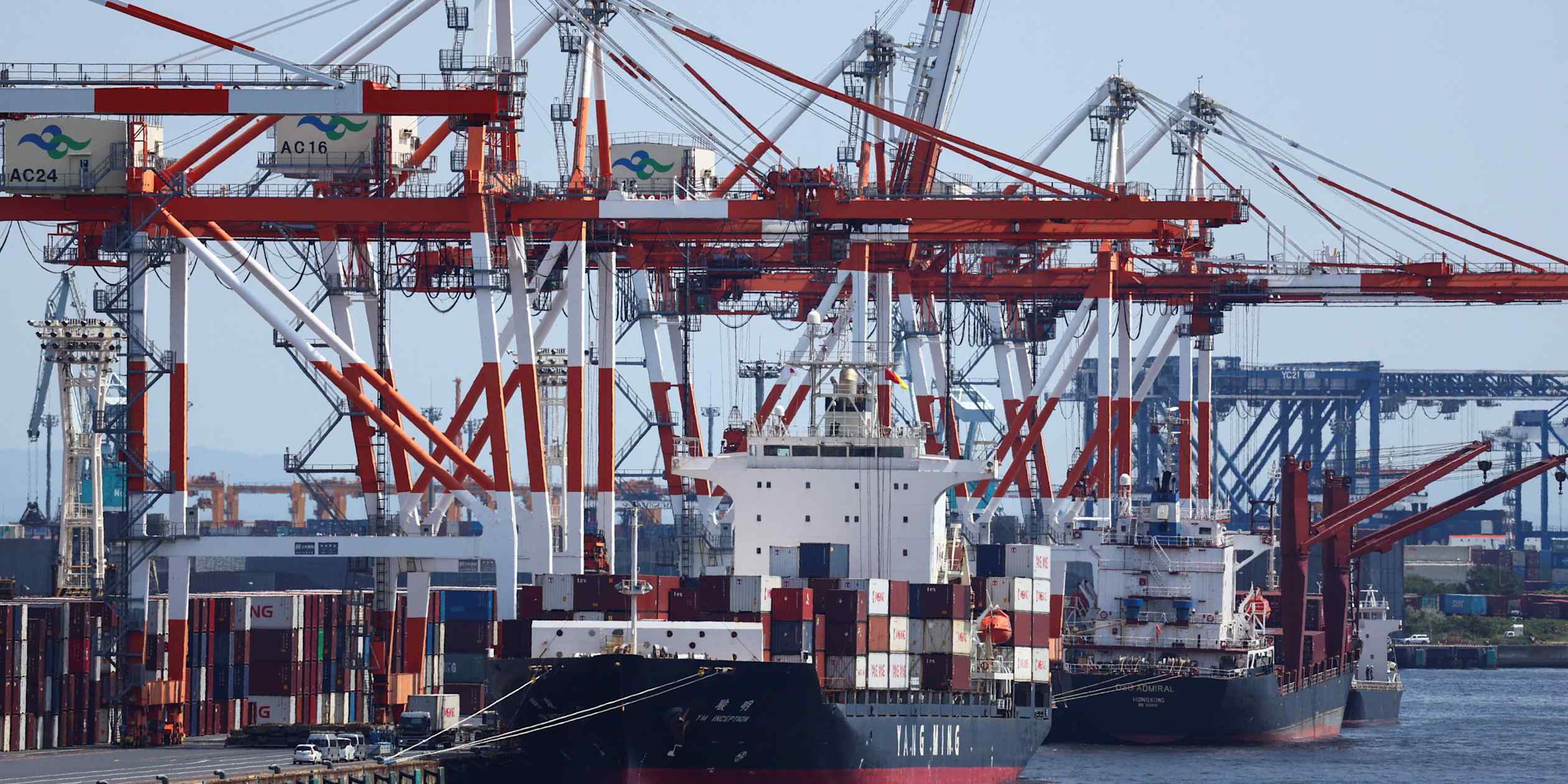
Japan's deliberate effort to reduce reliance on China as a manufacturing and trade partner has emerged as a model for policymakers across Southeast Asia grappling with similar economic vulnerabilities. Over the past decade, Tokyo has systematically diversified its supply chains, invested in alternative production hubs, and deepened trade ties with neighboring economies—a strategy that regional governments are increasingly examining as they confront their own concentrated China exposure.
The Japanese approach, commonly termed "derisking," focuses on rebalancing economic relationships rather than complete decoupling. Japanese manufacturers have relocated operations to Vietnam, Indonesia, and other Southeast Asian countries, creating new investment and employment opportunities while reducing dependency on a single market. This gradual transition has allowed Japan to maintain profitable trade relationships with China while limiting vulnerability to political disruptions or supply chain shocks.
Southeast Asian nations face distinct advantages and challenges in adopting similar strategies. The region's geographic proximity to China and established manufacturing networks present obstacles to rapid diversification. However, rising labor costs in China and growing geopolitical competition for influence have created openings for Southeast Asian economies to attract investment and manufacturing capacity that might otherwise remain in the Chinese market.
Economic analysts note that successful derisking requires coordinated investment in infrastructure, workforce development, and trade agreements. Japan's experience demonstrates that such transitions require sustained commitment over multiple years and strong government coordination with private sector actors. Southeast Asian policymakers are increasingly looking to regional cooperation mechanisms and partnerships with Japan and other developed economies as catalysts for accelerating their own economic rebalancing efforts.