World · World News Bureau
Japan's energy needs complicate response to Putin's disputed island visit
Japan faces pressure to respond to Vladimir Putin's visit to a contested island claimed by Tokyo, but its reliance on Russian liquefied natural gas supplies constrains its diplomatic options. The competing demands of energy security and territorial sovereignty present a complex challenge for policymakers in Tokyo.
LSN World News ·
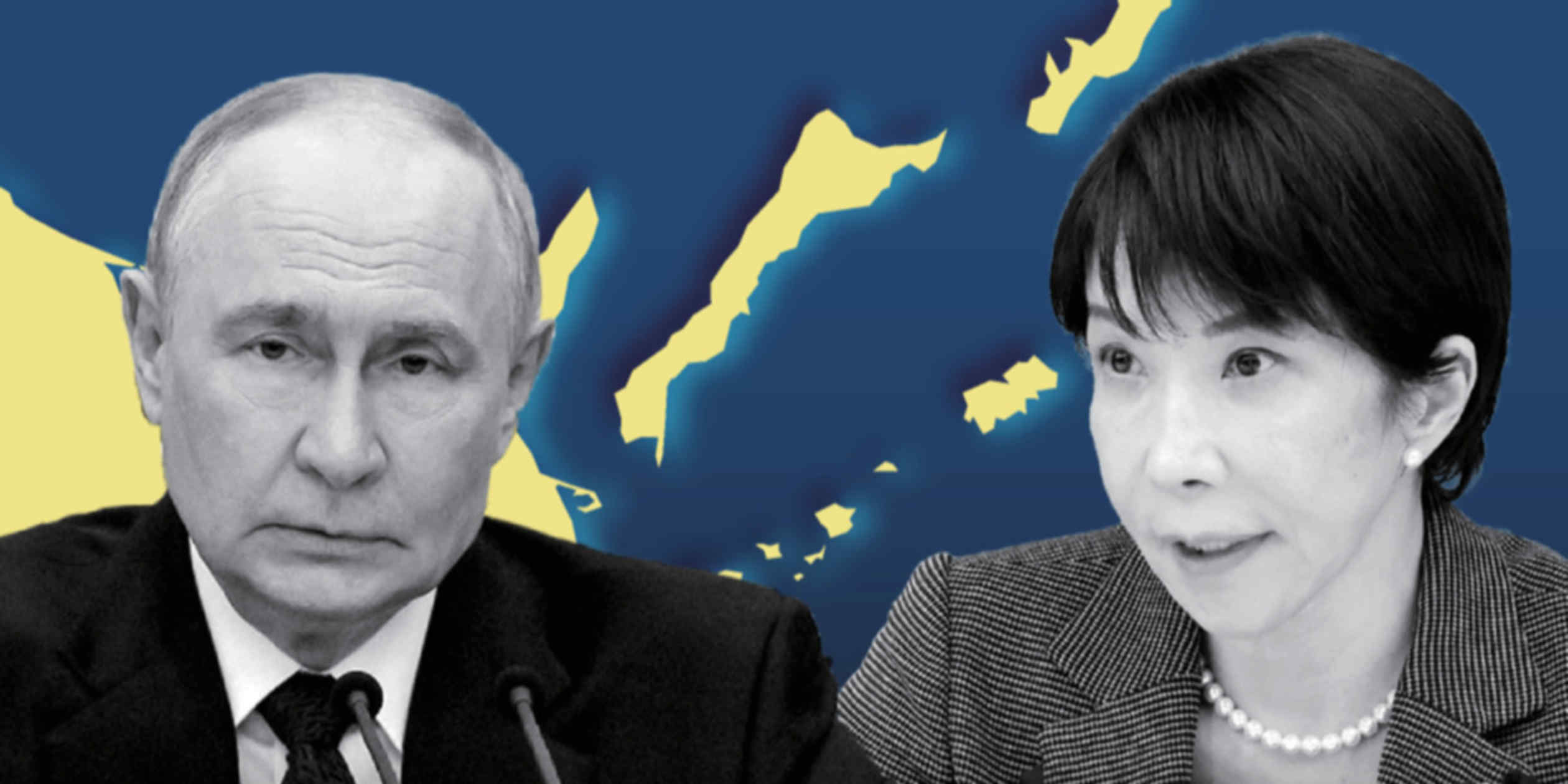
Japan is caught between geopolitical principle and economic necessity following Russian President Vladimir Putin's visit to an island in the Far East that Tokyo claims as its own territory. The disputed Sakhalin island has long been a flashpoint in relations between the two nations, with Japan viewing Putin's presence there as a provocative assertion of Russian sovereignty.
However, Japan's substantial dependence on Russian liquefied natural gas supplies has significantly constrained Tokyo's ability to mount a forceful diplomatic response. As energy costs remain elevated globally and Japan seeks stable sources of LNG to power its economy and support its recovery from previous shocks, policymakers face difficult tradeoffs between defending territorial claims and maintaining critical energy partnerships.
The situation underscores the broader challenge facing resource-dependent nations in responding to geopolitical provocations from major energy suppliers. Japan has historically sought to balance its security interests with its economic relationships, but Putin's move has tested that equilibrium by directly challenging Japanese sovereignty while Japan remains vulnerable to supply disruptions.
Tokyo has expressed diplomatic objections to the visit through official channels, though the response has been notably measured compared to statements from other nations. Energy analysts note that any aggressive Japanese stance risks further straining relations with Moscow, potentially jeopardizing LNG contracts that Japan views as essential to its long-term energy security and economic stability in an increasingly competitive global market.