World · World News Bureau
Japan's energy reliance constrains response to Putin's island visit
Japan faces diplomatic constraints as it balances concerns over Vladimir Putin's visit to a disputed island with its substantial dependence on Russian liquefied natural gas supplies. The tension highlights Tokyo's vulnerability to energy disruption amid geopolitical tensions.
LSN World News ·
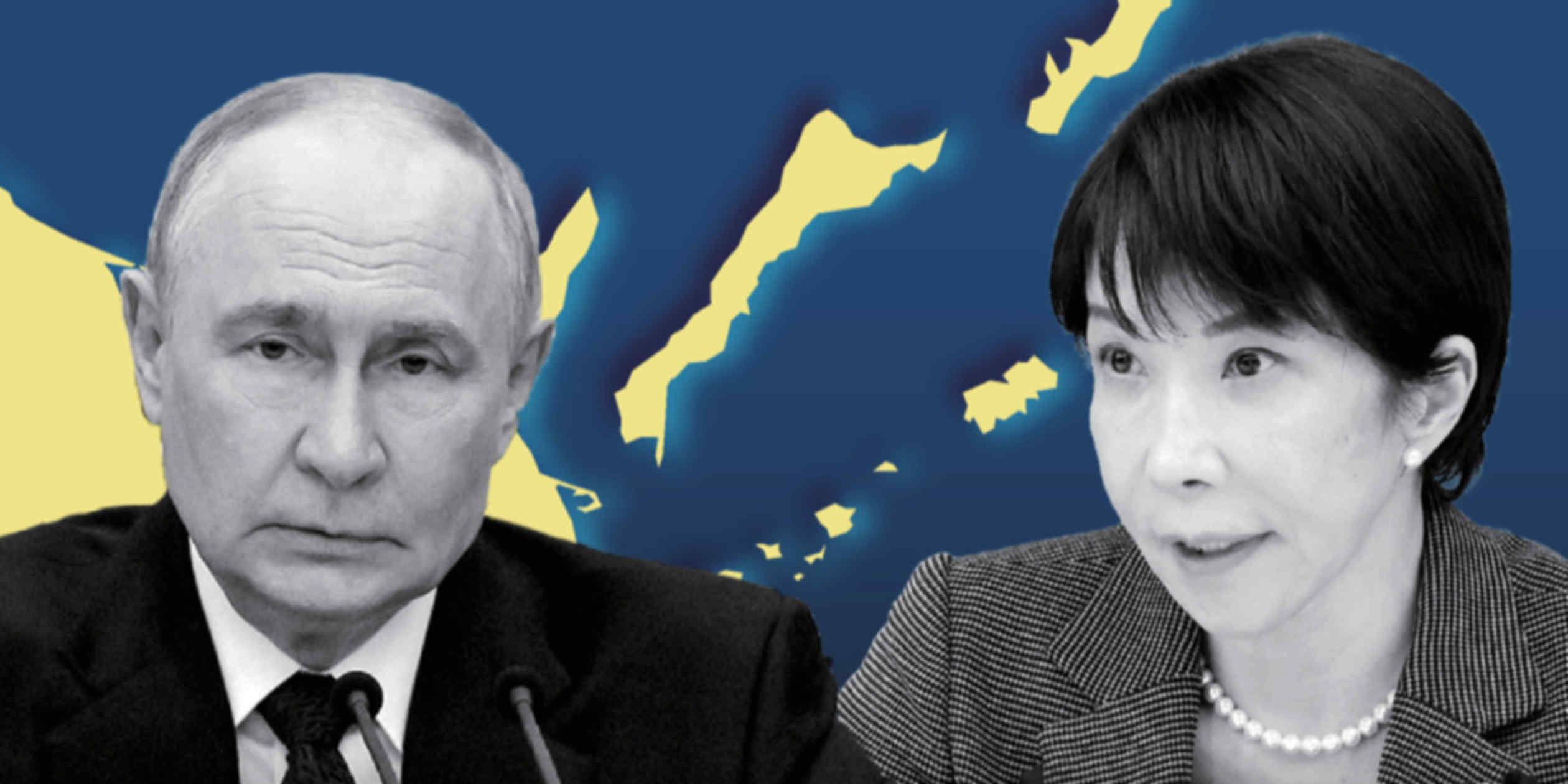
Japan's response to Russian President Vladimir Putin's visit to the contested island has been muted, reflecting the country's significant strategic vulnerability as a major importer of Russian liquefied natural gas. Tokyo's energy requirements have limited its ability to take a forceful diplomatic stance, even as it seeks to address regional security concerns related to the disputed territory.
Japan relies heavily on LNG imports to meet its energy demands, with Russian suppliers constituting a meaningful portion of these supplies. This dependency creates a precarious position for Japanese policymakers seeking to maintain unified diplomatic pressure alongside Western allies while avoiding actions that could disrupt critical energy flows.
The situation underscores Japan's broader energy security challenges in the Asia-Pacific region. Despite efforts to diversify fuel sources and pursue renewable energy initiatives, the nation remains constrained by its geographic isolation and limited domestic energy resources, making it susceptible to supply disruptions and pricing volatility.
Tokyo's cautious approach reflects a calculated assessment of national interests, balancing security concerns with economic imperatives. The constraints facing Japanese diplomacy demonstrate how energy interdependence can complicate regional responses to geopolitical developments, particularly for nations heavily reliant on imports from major powers.