World · World News Bureau
Japan's EV incentive programme under scrutiny from cost-cutting officials
Japan's electric vehicle subsidy scheme faces an uncertain outlook as government efficiency advocates push to reduce state spending. The programme, which has supported EV adoption across the country, is now in the crosshairs of budget-conscious policymakers seeking to trim fiscal expenditures.
LSN World News ·
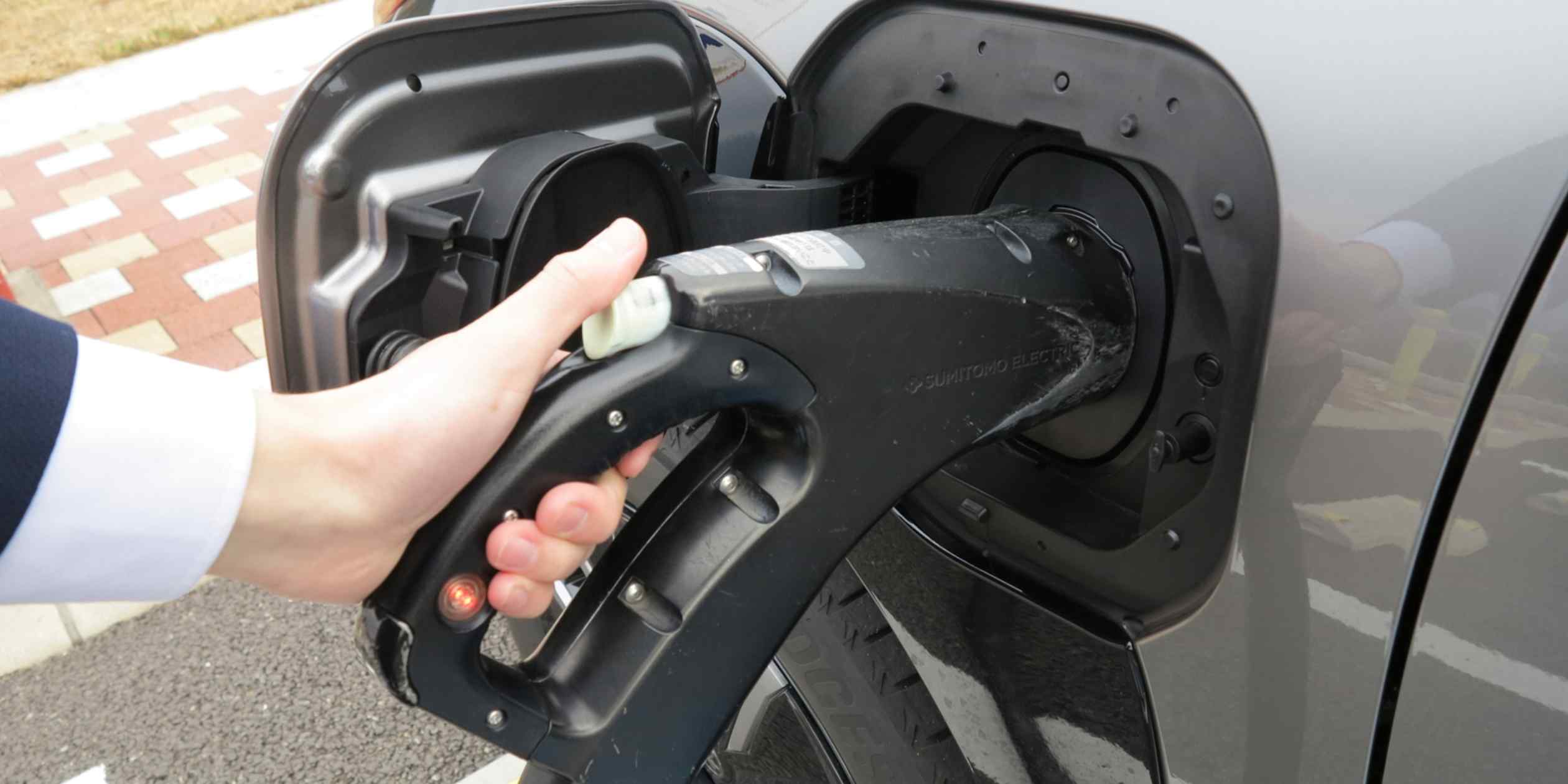
Japan's subsidies for electric vehicle purchases are facing renewed pressure as officials tasked with identifying wasteful government spending turn their attention to automotive incentive programmes. The push reflects broader efforts within Tokyo to rein in public expenditure across multiple sectors, with proponents of cost-cutting measures arguing that established EV subsidies warrant closer examination.
The subsidy scheme has been a cornerstone of Japan's strategy to accelerate the adoption of battery-powered vehicles and meet emissions reduction targets. However, critics contend that continued state support for EV purchases represents an inefficient use of taxpayer funds, particularly as the electric vehicle market matures and prices decline.
Government officials have not yet announced specific changes to the programme, but the heightened scrutiny signals that modifications may be forthcoming. Any reduction in subsidies could affect consumer incentives to purchase electric vehicles, potentially slowing Japan's transition away from internal combustion engines during a critical period for automotive industry transformation.
The uncertainty surrounding the programme comes as automakers across Japan have invested heavily in EV development and production capacity. Industry stakeholders are likely to closely monitor policy developments, given the potential impact on domestic vehicle sales and manufacturing investment decisions.