World · World News Bureau
Japan's iconic seafood bowls shift as sea urchin supplies dwindle
Changing ocean conditions and declining catches are forcing Japanese restaurants to reduce sea urchin on sushi menus while increasing tuna offerings. The shift reflects broader environmental pressures on Japan's traditional seafood culture.
LSN World News ·
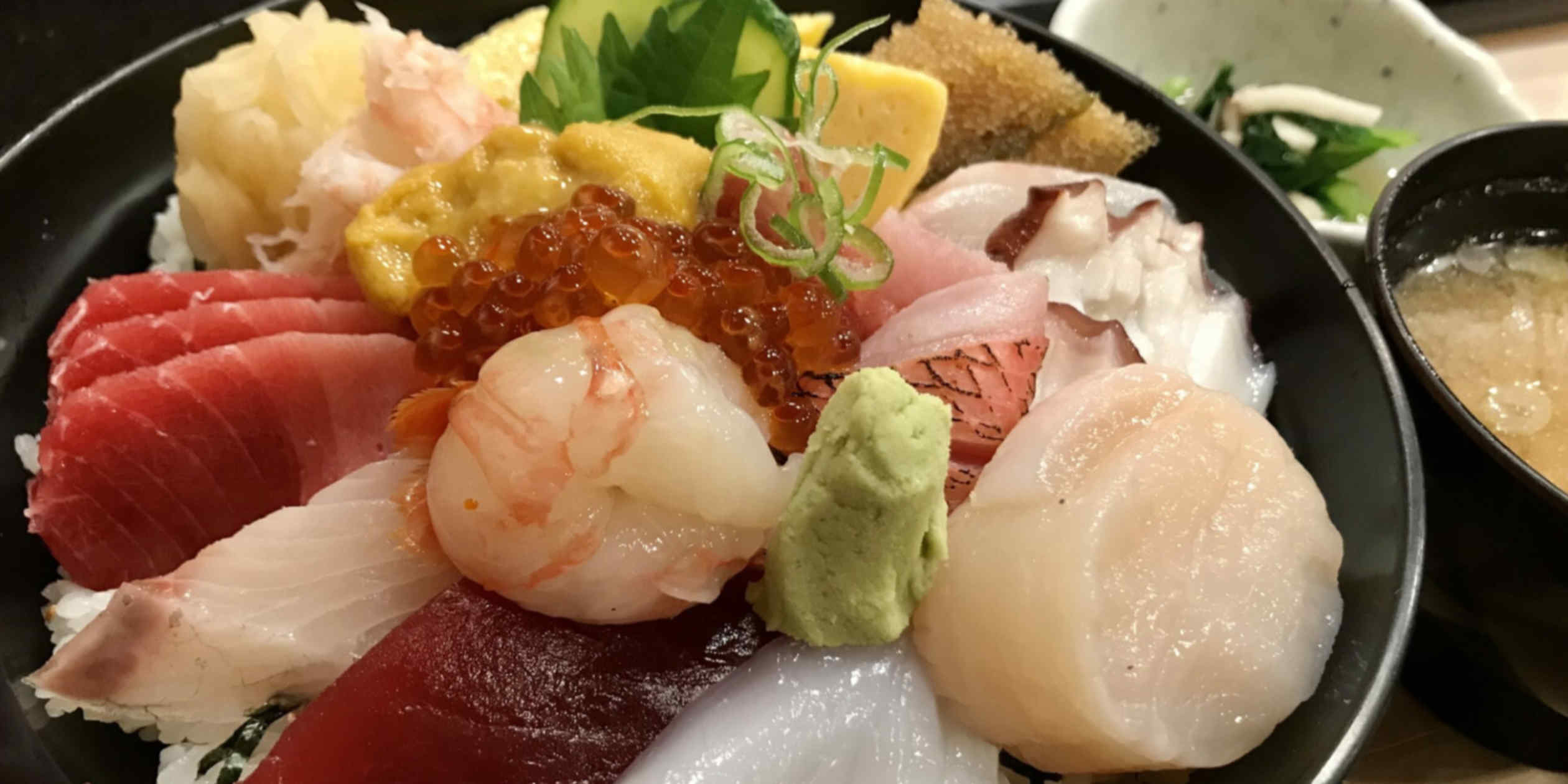
Japanese sushi restaurants are adjusting their menus as the availability of premium sea urchin, a traditional delicacy, continues to decline. Faced with shrinking supplies and rising costs, establishment owners are increasingly turning to tuna and other alternatives to maintain their signature seafood bowls at competitive prices.
Sea urchin, known as uni in Japanese cuisine, has long been prized for its rich, briny flavor and buttery texture. However, warming waters, changing ocean currents, and overharvesting have pressured wild populations across Japan's fishing regions. Combined with growing international demand and higher procurement costs, the ingredient has become less economically viable for many restaurant operators.
Restaurants are responding by featuring tuna—both fatty toro and leaner akami varieties—more prominently in their offerings. Some establishments are also experimenting with other seafood options to maintain menu diversity and appeal. The shift underscores how environmental factors and market forces are reshaping Japan's culinary landscape.
The trend reflects broader concerns about Japan's fishing industry, where many traditional species face sustainability challenges. As supply chains adapt, seafood bowls that once centered on sea urchin are evolving into new combinations that balance tradition with practical necessity. Industry observers say the changes may become permanent fixtures in Japanese restaurants, reshaping consumer expectations for generations to come.